
Discovering the Great Barrier Reef: Facts and Insights
Intro
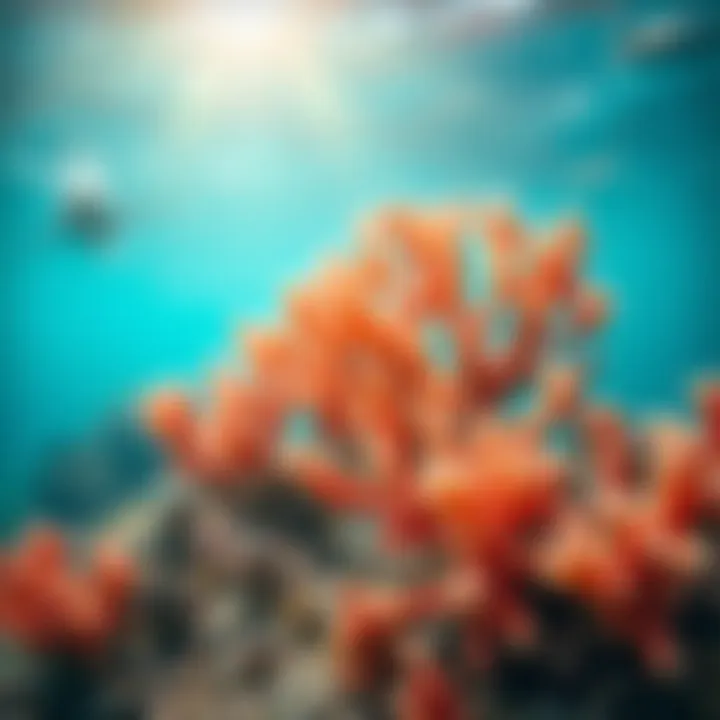
The Great Barrier Reef is not just a bunch of colorful fish and coral; it's a bustling metropolis of marine life that stretches over 2,300 kilometers along the northeast coast of Australia. This UNESCO World Heritage site is the largest coral reef system in the world, embodying a complex ecosystem teeming with life. But understanding the reef's significance goes beyond admiring its beauty—it's essential to grasp its ecological importance and the challenges it faces today.
Diving deep into the intricacies of this underwater paradise reveals the sheer diversity of species that call it home. From vibrant corals to majestic sea turtles, the Great Barrier Reef is a testament to nature's creativity and resilience. It plays a crucial role in supporting biodiversity and contributing to global ecological balance. As participants in water sports and marine activities, it’s our duty to appreciate and protect this natural treasure.
In this article, we will dissect several aspects of the Great Barrier Reef, starting with essential techniques for exploring its wonders, gear recommendations for the adventurers, insights on marine conservation, and how to responsibly engage with this magnificent ecosystem. Understanding these facets can elevate not only your appreciation for nature but also your responsibility towards its preservation. Let's dive in.
Preface to the Great Barrier Reef
The Great Barrier Reef is not just a mere stretch of coral; it is a colossal natural assemblage that plays an indispensable role in our planet's marine ecology. Spanning over 2,300 kilometers along Australia's northeastern coast, it is the largest coral reef system in the world and arguably one of the most intricate ecosystems known to mankind. Understanding the intricacies of this underwater paradise is crucial. Not only does it harbor a staggering variety of marine life, but it also acts as a vital indicator of environmental health and climate change.
Exploring this magnificent reef provides a kaleidoscope of benefits, especially for sports instructors and outdoor enthusiasts who engage in activities that rely on marine resources. For instance, instructors can draw from the reef's diverse environments to emphasize sustainable practices within their teaching frameworks. Furthermore, knowing the ecological significance of these waters can steer outdoor enthusiasts towards becoming responsible stewards of the environment. This knowledge deepens the connection between individuals and the marine world, fostering a collective sense of responsibility for its preservation.
As we peel back the layers of the Great Barrier Reef, several aspects deserve close examination, from its geographical layout to its historical significance. Each layer tells a story, revealing how complex and delicate this ecosystem truly is. This exploration not only sparks curiosity but also ignites urgency in advocating for conservation efforts to protect this natural wonder.
"The Great Barrier Reef is an irreplaceable gem of biodiversity; protecting it ensures the survival of countless species and our marine heritage."
Geographical Overview
Nestled off the coast of Queensland, Australia, the Great Barrier Reef boasts more than just colorful fish and corals. It is an expansive system composed of over 2,900 individual reefs and around 1,050 islands. Its varied geography encompasses a range of environments, from sheltered lagoons to exposed oceanic shoals, influenced by tides and seasonal weather patterns. Notably, the ecosystem is divided into zones that function given their specific characteristics, such as the inner, middle, and outer reef areas, which host different marine organisms.
Climate plays a substantial role in the health and vibrancy of this marine area. For instance, the waters are generally warm, averaging between 22 to 29 degrees Celsius, which creates an ideal habitat for coral growth. Additionally, ocean currents circulate nutrients, while coastal wetlands filter land runoff, contributing to the overall functioning of the reef system.
Historical Context
The historical context of the Great Barrier Reef is as intricate as its geographical layout. Indigenous Australians have lived in harmony with this ecosystem for thousands of years. They regard it as a living library of their culture, carrying stories and traditions deeply interwoven with the regions waters. Their understanding of the reef's rhythms, seasons, and food sources exemplifies a form of environmental stewardship that modern society continues to learn from.
As time advanced, European exploration in the 18th century vastly changed perceptions of the reef. Despite its natural beauty, early explorations often painted it as a hazardous area to navigate, filled with sharp corals and unpredictable waters. Today, however, this view has shifted dramatically, transforming the reef into a beacon of biodiversity, attracting tourists and researchers from around the globe.
New advancements in maritime technology and conservation science constantly shape our understanding of this ecosystem. Efforts are ongoing to create comprehensive management plans that balance tourism with ecological preservation.
Knowing your history not only helps appreciate the present but also guides actions towards a sustainable future. As more individuals engage with the reef, understanding its background becomes a key element in protecting its delicate balance.
Biodiversity of the Reef
The biodiversity of the Great Barrier Reef is not just a footnote in a textbook; it's the backbone of this magnificent ecosystem. This staggering variety of life forms plays a crucial role in maintaining the ecological balance. It’s a complex web of interactions that benefits not only the creatures that inhabit the reef but also the people who rely on it for their livelihoods and leisure activities. Fostering an appreciation for this biodiversity is key for anyone involved in watersports or conservation efforts.
Coral Varieties
Hard Corals
Hard corals are the giants of the reef, forming the foundational structures for this underwater wonderland. These are the architects of the reef, creating complex habitats that allow other marine life to thrive. A distinct characteristic of hard corals is their ability to build massive calcium carbonate skeletons, which can last for centuries. This is why they are often a focus for conservation efforts: without them, the entire structure of the reef could crumble.
Unique to hard corals are their symbiotic relationships with zooxanthellae, tiny algae that live within their tissues. This partnership not only provides coral with energy through photosynthesis but also gives them their breathtaking colors. They are crucial for biodiversity, providing habitats and food for numerous fish and invertebrate species.
However, hard corals face significant threats from climate change, which leads to coral bleaching when stressed by rising ocean temperatures. Bleached corals lose their vibrant hues and become more susceptible to disease. Protecting hard corals is vital for the health of the reef overall.
Soft Corals
Soft corals, on the other hand, do not form rigid skeletons like their hard counterparts. Instead, they are more flexible and often sway gracefully with the ocean currents. One striking feature of soft corals is their variety of shapes and sizes, ranging from delicate feathery structures to robust, bushy forms. This diversity makes them visually captivating and ecologically significant in providing shelter and breeding grounds for marine fauna.
While soft corals might not build the reef itself, they play an essential role in its ecosystem by filtering water and removing excess nutrients, thereby maintaining water quality which is crucial for their hard coral neighbors. They also augment the reef’s biodiversity by offering unique habitats for various species, including the vibrant clownfish and swarms of shrimp. However, they too are susceptible to the same pressures as hard corals, especially pollution and warming seas, which can lead to decreased populations.
Marine Life
Fish Species
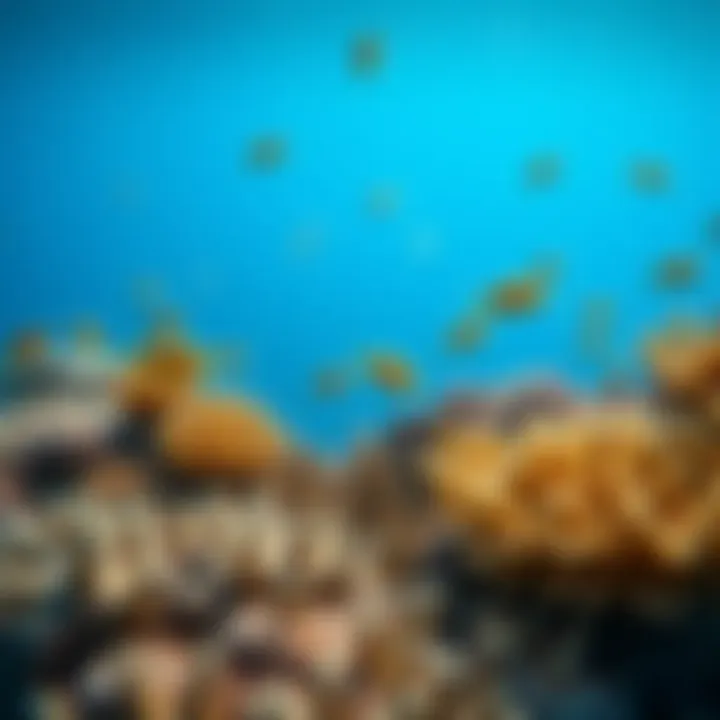
Fish species are the lifeblood of the reef ecosystem, embodying the diversity and abundance that make the Great Barrier Reef one of the most remarkable marine environments on the planet. There are over 1,500 species of fish found here, ranging from the charismatic clownfish to the majestic parrotfish. Each of these fish plays a specific role, whether it’s as a herbivore keeping algae in check or a predator maintaining the balance of species.
The vibrant colors and shapes of fish contribute significantly to the reef’s beauty, making it a popular destination for snorkelers and divers alike. Fish like the parrotfish not only provide beauty but also contribute to the ecosystem by grazing on algae, thereby allowing coral to thrive. However, unregulated fishing poses a threat to their populations, emphasizing the need for responsible fishing practices.
Sea Turtles
Sea turtles are the gentle giants of the marine world, with populations making their homes in the Great Barrier Reef. Notable for their migratory patterns and longevity, these majestic creatures contribute to nutrient cycling within the reef system. They are known to graze on seagrass, which helps maintain the health of these bed ecosystems, providing a nursery ground for many marine species.
However, multiple factors threaten their existence, including habitat degradation, climate change, and poaching. Protecting sea turtles is not only pivotal for their survival but crucial as they play a significant role in ocean health, ticking off yet another element in the biodiversity that makes the Great Barrier Reef such a remarkable environment.
Sharks and Rays
Sharks and rays are often misunderstood, painted as villains in horror stories. Yet, they serve vital functions in the reef ecosystem. As apex predators, they help regulate fish populations and maintain the balance between species within the reef. This keeps the entire system healthy and vibrant.
These cartilaginous fish are particularly noteworthy for their unique adaptations, like the ability to detect electromagnetic fields in the water. Sharks play a crucial role in ensuring that no single fish species dominates the ecosystem, thus allowing for a diverse array of marine life.
However, overfishing and habitat loss threaten their populations. Their presence and health indicate the overall health of the reef, making it crucial to advocate for conservation efforts focused on these majestic creatures. They are more than just beautiful; they’re essential allies in preserving the balance of this underwater kingdom.
Ecological Importance
The ecological importance of the Great Barrier Reef cannot be overstated. As one of the planet’s most diverse ecosystems, it acts as a crucial building block for marine life and also provides significant benefits to human populations. Understanding these intricacies not only heightens our appreciation of this natural wonder but also prompts us to consider our responsibilities towards its preservation and maintenance.
Role in Marine Ecosystems
Habitat Provider
The Great Barrier Reef serves as an essential habitat provider for myriad marine species. Coral structures create nooks and crannies for various organisms to thrive. These habitats are not just homes for fish; they also support larger species like turtles and dolphins.
Key characteristics of the coral reef habitat include its structured environment and biodiversity. This structure allows for specific zones where different species can find refuge, feed, and reproduce safely. One unique feature of this habitat is the symbiotic relationship between corals and algae, where both parties benefit beautifully. The corals offer a safe haven for algae, while these tiny photosynthetic organisms provide energy to corals through photosynthesis.
However, the fragility of these habitats is alarming. Any disturbance, whether from natural events or human action, can obliterate these habitats, drastically reducing the biodiversity they support. This loss is not only detrimental to marine life but reverberates back to the human communities that rely on healthy fish populations.
Nutrient Cycling
Another vital aspect of the reef's ecological importance lies in its role in nutrient cycling. This process is fundamental for maintaining the health of the marine ecosystem. Healthy corals assist in nutrient cycling by facilitating the breakdown of organic matter. When dead organisms are decomposed by microorganisms, nutrients like nitrogen and phosphorus are released back into the water. This process supports the growth of different species, creating a balanced ecosystem.
The key characteristic of nutrient cycling in the Great Barrier Reef is its ability to contribute to the overall productivity of marine life. Fish species thrive due to the availability of nutrients, making it a popular spot for fishermen and recreational divers alike. However, the unique challenge that nutrient cycling faces is the impact of runoff from agriculture and urban areas that introduce excess nutrients into the ecosystem, leading to harmful algal blooms. These blooms can hinder coral access to sunlight and oxygen, causing detrimental effects.
Climate Regulation
The Great Barrier Reef also plays a pivotal role in global climate regulation. It acts as a natural barrier, reducing the impact of storms and protecting coastal communities. Additionally, the reef's corals can absorb carbon dioxide, which in turn helps to mitigate the effects of climate change. However, the changing climate poses enormous challenges to the reef's health, making it imperative that discussions around its importance are coupled with action.
In summary, the ecological importance of the Great Barrier Reef is intricately tied to its role as a habitat provider and its contribution to nutrient cycling. Both are essential for supporting marine life and maintaining the balance of the ecosystem. The potential threats from climate change and human impact underscore the need for urgent action to protect this irreplaceable biological treasure.
Threats to the Great Barrier Reef
The Great Barrier Reef is not just a patch of salty water filled with colorful fish; it's a living, breathing organism that plays a crucial role in the marine ecosystem. However, this natural wonder faces several threats that could jeopardize its existence. Understanding these threats not only enhances our appreciation of the reef but also underscores the urgency of our involvement in conservation efforts.
Climate Change
Coral Bleaching

Coral bleaching is a dire phenomenon linked to rising ocean temperatures. When water gets too warm, corals expel the algae living in their tissues, which provide nutrients and give them their vibrant colors. The result? A stark white skeleton of coral, vulnerable and at risk of dying. This is a big deal because coral reefs are essential for marine biodiversity, serving as habitats for a multitude of species.
One of the critical characteristics of coral bleaching is its visibility. A bleached reef stands out starkly against a teeming sea, alerting scientists and divers alike to its distress. It serves as a call to action, which is why discussing coral bleaching is vital in this article. Its unique feature is that once bleached, recovery can be a slow process, putting pressure not just on the corals themselves, but on the entire ecosystem that depends on them.
"Coral reefs support about 25% of all marine species, despite covering less than 1% of the ocean floor. Bleaching is a significant threat to this incredible biodiversity."
Temperature Rise
Rising temperatures can also lead to a host of other problems for the reef. Beyond causing coral bleaching, warmer waters can disrupt the delicate balance of marine life, causing fish populations to decline or migrate in search of cooler waters. This alteration can lead to shifts in predator-prey dynamics, which could devastate local fishing industries.
The key characteristic here is the widespread impact. Increased temperatures don’t just affect corals; they ripple through the entire ecosystem. Speaking of advantages, understanding the consequences of temperature rise helps us advocate for sustainable practices in our marine interactions and policies. The unique feature of this factor is its universality—temperature rises are affecting reefs worldwide, making global efforts all the more critical.
Pollution
Runoff Impacts
Runoff is a significant and often underestimated threat to the Great Barrier Reef. When rain washes over land, it collects pollutants—like fertilizers and sediments—that find their way into the ocean. This runoff can alter water quality, leading to the growth of harmful algae blooms that outcompete corals for space and resources.
The key characteristic of runoff impacts is how they can compromise water clarity. Polluted water reduces the light reaching corals, hindering their ability to photosynthesize. Addressing runoff is crucial since its effects are often cumulative, making it a popular topic for conservation discussions. The unique feature here is that simple changes on land—like better agricultural practices—can significantly mitigate these effects, making this an approachable goal for improvement.
Marine Debris
Marine debris poses another severe threat to the marine ecosystem. From plastic bags floating lazily through the water to fishing nets snagging on coral, debris can smother habitats and confuse marine animals. Fishermen's nets can entangle sea turtles and other species, resulting in injury or death.
A notable characteristic of marine debris is its persistence. While some forms of waste can degrade over time, many plastics can last for decades, continuously harming marine life. This issue's significance is undeniable, as finding solutions to reduce marine debris can spur community engagement and lead to greater awareness about pollution. Unique to this threat is that it can often be addressed by local community action and global initiatives, making it a manageable, yet challenging, issue to tackle.
Overfishing
Overfishing doesn't just affect fish stocks; it disrupts the intricate balance of the marine ecosystem. When species are removed faster than they can reproduce, the results can be catastrophic. The food web is fragile, and each species has a role to play.
The critical nature of overfishing lies in its exponential impact. For instance, when larger fish are overfished, smaller fish can overpopulate, leading to a decrease in the biodiversity that helps the reef thrive. Also interesting is the local fishing economies that could suffer from practices that neglect sustainability, making it a topic that resonates with many communities. While some laws exist to protect overfished populations, enforcement is often lax, revealing a unique challenge that conservationists continue to face.
These threats depict a grim picture for the Great Barrier Reef, but understanding them is the first step in advocating for change. The more we know, the more we can do to protect this incredible ecosystem.
Conservation Efforts
Conservation efforts surrounding the Great Barrier Reef are vital not just for preserving the ecosystem, but also for maintaining its cultural and recreational significance. The delicate balance of this marine paradise faces numerous threats, and understanding these efforts can inspire better stewardship among ocean enthusiasts.
Local and International Initiatives
Protected Areas
Protected areas are like a lifeline for the Great Barrier Reef, playing a pivotal role in safeguarding its vast biodiversity. The unique characteristic of these areas is that they restrict human activities that might cause harm, such as unsustainable fishing or coastal development. This kind of proactive management creates a sanctuary where marine life can thrive. It’s a beneficial strategy for maintaining ecological integrity and allows for the recovery of species that have been over-exploited.
One fascinating feature of protected areas is the Great Barrier Reef Marine Park itself, created in 1975. This park includes zones where activities are heavily regulated, promoting conservation alongside sustainable tourism practices. The advantage here lies in the balance created between visitation and preservation, allowing people to engage with the reef without causing irrevocable damage. A downside might be the restrictions imposed on fishing communities and local businesses, but the long-term benefits for biodiversity outweigh the short-term inconveniences.
Restoration Projects
Restoration projects represent the proactive approach to healing the wounds inflicted on the reef. They focus primarily on repopulating coral species that have suffered due to bleaching, pollution, and human activity. The main characteristic that stands out in successful restoration initiatives is the collaboration among scientists, local communities, and conservation organizations. These partnerships manifest in activities like coral farming, where fragments of coral are nurtured in underwater nurseries before being reintroduced to damaged areas.
The uniqueness of restoration projects lies in their adaptive methodology. They often integrate new technologies and approaches to ensure maximum success. For instance, the use of advanced monitoring systems allows teams to assess the effectiveness of these projects quickly, making adjustments as needed. While the advantages include improved resilience of the reef and a more diverse marine ecosystem, challenges remain, like funding and variable environmental conditions. Nevertheless, these projects highlight humanity's potential to reverse damage done to natural systems.
Role of Tourism
Tourism plays a double-edged sword role in the Great Barrier Reef's conservation narrative. On one hand, it generates essential funds for conservation activities and raises awareness about the reef's importance. Eco-tourism, in particular, encourages responsible visitor behavior and provides measures to protect fragile habitats. Scuba diving and snorkeling, in moderation, can be educational experiences that engender a deeper appreciation for marine ecosystems.
However, the increase in tourist traffic can put significant stress on the environment, often leading to physical damage to coral and the surrounding habitat. The challenge lies in striking a balance; ensuring that tourism contributes positively while mitigating its environmental footprint.
To informed enthusiasts, engaging in sustainable practices during recreational activities serves not only the reef but also enriches their experiences. The responsibility to protect the reef's grandeur increasingly falls on the shoulders of those who seek to enjoy its beauty.
Human Interaction with the Reef
Understanding human interaction with the Great Barrier Reef is crucial for several reasons. Firstly, it illustrates the deep connection between people and this unique ecosystem. Secondly, it sheds light on the delicate balance that must be maintained to protect the reef for future generations while still providing opportunities for enjoyment and education. As people come to appreciate the magnificence of the reef, they also begin to recognize the weight of their responsibility in ensuring its survival.
Water-Based Activities
Snorkeling and Scuba Diving
Snorkeling and scuba diving are arguably two of the most popular water-based activities in the Great Barrier Reef. These experiences allow individuals to glide through the crystal-clear waters, observing stunning coral formations and various marine species up close. One key characteristic of these activities is the accessibility they offer to explorers of all skill levels. Beginners can enjoy snorkeling with minimal training, while experienced divers can access deeper sites with unparalleled biodiversity.
The uniqueness of snorkeling and scuba diving lies in the immersive experience they provide. Unlike passive viewing from a boat, these activities allow for a direct connection with the marine environment. However, this close interaction comes with responsibilities. It’s crucial to follow guidelines to minimize environmental impact, such as avoiding contact with corals or disturbing wildlife. Keeping these best practices in mind ensures that everyone can enjoy the beauty of the reef without causing harm.
Kayaking and Paddleboarding
Kayaking and paddleboarding are also integral to exploring the Great Barrier Reef. These activities not only promote physical fitness but also provide a quieter and more personal way to appreciate the reef's beauty. One notable aspect of kayaking and paddleboarding is the ability to navigate through areas that larger boats cannot access, giving participants a unique vantage point.
Both kayaking and paddleboarding allow adventurers to move at their own pace. This slower approach facilitates closer observation of the reef while minimizing disturbances to marine life. However, these activities also require an understanding of the conditions, such as tides and weather, to ensure safety. Enthusiasts should be cautious and respect the environment, maintaining a mindful presence while enjoying the absolute wonder that surrounds them.
Cultural Significance
Indigenous Perspectives
Indigenous perspectives on the Great Barrier Reef offer invaluable insights into the cultural importance of this ecosystem. Deeply woven into the narratives of Australian Aboriginal cultures, the reef is more than just a natural wonder; it’s a part of identity and heritage. These views emphasize a respectful relationship with the land and water, advocating for sustainable practices that have been followed for thousands of years.
The richness of these perspectives is that they highlight an intrinsic understanding of marine ecosystems gained through generations of lived experience. Integrating indigenous knowledge into modern conservation efforts can create a more holistic approach to protecting the reef while ensuring respect for the voices of the land’s original stewards.
Recreational Practices
Recreational practices on the Great Barrier Reef not only contribute to the local economy but also foster a deeper understanding of the marine environment. From fishing to educational tours, these practices engage communities and visitors alike. They serve to instill a sense of stewardship in participants by connecting them to the reef.
One key characteristic of recreational practices is the potential for both enjoyment and education. Such activities can promote awareness about the fragile state of the reef, encouraging individuals to take an active role in its conservation. Still, it is important to realize that not all recreational practices are inherently beneficial. Some can lead to overexploitation and pollution if not managed properly. Hence, adopting responsible and sustainable habits is paramount for the long-term health of the Great Barrier Reef.
"To truly cherish the Great Barrier Reef, one must dive deeper than its shimmering surface and understand the threads that weave together its ecological and cultural tapestry."
The End
The Great Barrier Reef, brimming with life and wonder, showcases the intricate relationship between nature and humanity. Its vast underwater expanse is not just a playground for divers and snorkelers; it’s a living, breathing ecosystem that needs our attention and protection. In the discussions leading to this conclusion, we’ve touched upon its biodiversity, ecological importance, human interactions, and the profound threats it faces. It’s crucial for sports instructors and outdoor enthusiasts to realize that every activity within this majestic reef comes with a responsibility to mitigate harm and promote conservation.
The Future of the Great Barrier Reef
The future of the Great Barrier Reef is often painted with a mixture of hope and concern. Climate change looms large, bringing uncertainties that affect coral health and marine life. If current trends continue, the predictions can be unsettling. However, there's a glimmer of optimism when we realize that human intervention has historically made a difference.
- Implementing sustainable practices in water sports and tourism can help alleviate some of the stress on the reef.
- Restoration projects focusing on coral replanting and rehabilitation are already underway. Coral farming and nurseries can bolster populations in areas that have succumbed to bleaching. The question remains not just about survival, but about resilience. How can we help this ecosystem bounce back?
Remember, every diver, every fisherman, every person that interacts with this natural treasure, contributes to its fate.
Taking Action
While the plight of the Great Barrier Reef might seem daunting, it’s not all doom and gloom. Taking action at the individual and community levels can yield significant benefits. Here’s how you can lend a hand:
- Educate Yourself and Others: Understanding the reef's importance is crucial. Knowledge is power. Share insights with your peers, encourage others in your circle of influence, and participate in discussions.
- Advocate for Sustainable Practices: Support businesses and initiatives that prioritize eco-friendly practices. Whether it’s choosing sustainable tourism options or advocating for better fishing regulations, every bit counts.
- Participate in Clean-Up Efforts: Get involved in organizations that focus on pollution reduction. Many local groups organize regular beach and reef clean-ups. Join them!
- Support Conservation Organizations: Contributing time, money, or resources to organizations that work tirelessly to protect marine environments is invaluable. Every donation aids in research and practical interventions.
"The Great Barrier Reef is more than just a coral structure; it symbolizes the delicate balance within our world. Conservation efforts can turn the tide for future generations."
So, as you immerse yourself in the awe that is the Great Barrier Reef, take a moment to consider your role. Together, by taking tangible actions, we can help secure a vibrant future for this incredible natural wonder.