Keel Fins: Boosting Stability and Control in Watersports
Intro
In the ever-evolving landscape of watersports, the role of keel fins has become increasingly prominent. These small yet significant components play a vital role in enhancing stability, control, and performance across various activities—be it kayaking, surfing, or paddleboarding. By providing better tracking in the water, keel fins equip athletes and casual enthusiasts alike with the tools necessary to navigate their chosen watercraft skillfully while also enjoying a more pleasant experience.
Understanding keel fins begins with recognizing the mechanics at play. These elements are designed to resist lateral movement, helping to keep your vessel on course. When a paddler or surfer faces wind or water currents, keel fins act as a stabilizing force, reducing the chances of capsizing or losing control. This feature is especially crucial for beginners still finding their footing in their respective sports, but even the most seasoned practitioners can benefit from the enhanced maneuverability that well-designed fins bring to the table.
As you delve further into the world of keel fins, you'll uncover various types designed for specific applications. From rigid options that offer superior performance in surging waves to flexible fins ideal for flatwater conditions, the choices can seem limitless. Each variation has unique attributes, making the understanding of their functions and applications pivotal for anyone seeking to improve their watersport skills.
The following sections will peel back the layers surrounding keel fins, discussing fundamental techniques, gear recommendations, and modern advancements in technology that influence their efficacy. With this knowledge, watersports enthusiasts can optimize their equipment choices and refine their skills, ensuring a more enjoyable experience on the water.
Foreword to Keel Fins
In the vibrant world of watersports, stability and control are paramount for both safety and performance. Keel fins serve as a hidden hero in this discipline, often overlooked yet immensely significant. They are not just a structural addition; they play a vital role in how a craft behaves on water. Whether it's kayaking through turbulent streams or gliding smoothly while sailing, keel fins enhance the user experience and optimize the craft's efficiency.
Definition of Keel Fins
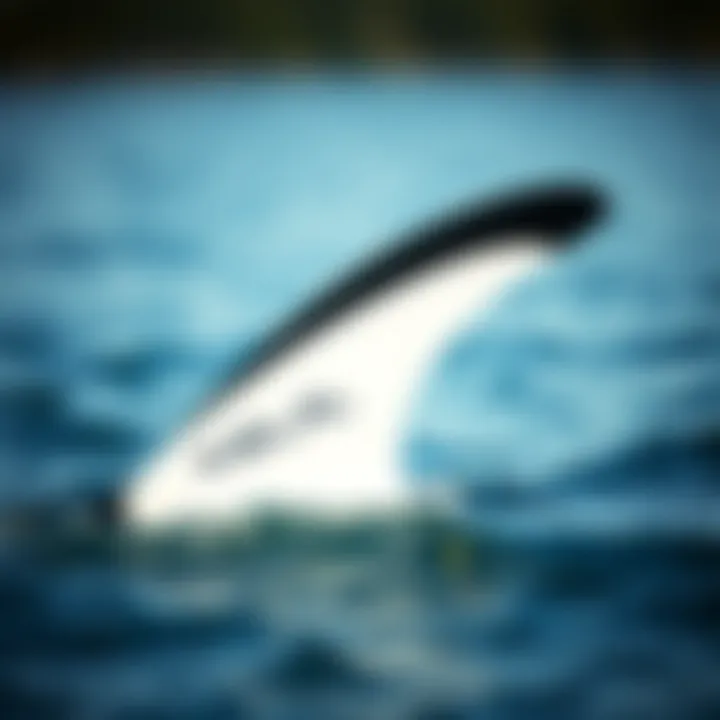
To put it simply, keel fins are vertical appendages attached to the bottom of watercraft, designed to provide lateral resistance. This resistance is key, as it allows the vessel to maintain its course against the forces of waves, wind, and current. Think of it as a rudder but without the need for constant steering—providing a steady foundation that enables smooth navigation. The variety in design—from fixed to removable—further showcases the adaptability of keel fins, catering to the specific needs of different watersport enthusiasts.
Historical Context
The development of keel fins has evolved enormously over the years. Back in the day, ancient civilizations like the Egyptians were using rudimentary forms of fins to stabilize their reed boats. Fast forward to the 19th century, as sailing became a popular sport, more sophisticated designs began to take shape. The advent of fiberglass and other modern materials revolutionized this element, allowing for intricate designs that offered not just utility but also enhanced performance.
Interestingly, with the rise of recreational watersports in the late 20th century, keel fins began appearing on a wider array of equipment—from surfboards to canoes. This shift underscored a fundamental realization: that improved performance and user safety are intertwined. Today, whether you are cruising on a paddleboard or racing in a kayak, the influence of keel fins remains significant, marking a clear evolutionary step in watersport technology.
The Importance of Keel Fins in Watersports
Keel fins play a crucial role in the realm of watersports, serving as the backbone of stability and control for a variety of aquatic activities. They are not just accessories; rather, they're vital for both novice users and seasoned veterans looking to enhance their experience on the water. Understanding the essence of keel fins helps to appreciate their diverse benefits and fundamental role in maximizing safety and enjoyment.
Stability on the Water
When navigating through waves or choppy waters, stability becomes paramount. Keel fins act like stabilizers beneath the surface, offering a reliable anchor that allows the craft to remain upright and steady. This is particularly important in sports like sailing or paddleboarding, where the wind and water can create unpredictable movements.
A well-designed keel fin can significantly reduce the chances of capsizing. For instance, in kayaking, a narrow hull can sometimes lead to instability, especially in rougher conditions. By adding a keel fin, paddlers find that their kayak tracks straighter, providing a more comfortable and safer experience.
- Provides a strong resistance against lateral forces.
- Decreases the tendency for the craft to drift sideways.
This stability fosters a sense of security that can boost a participant's confidence, allowing them to focus on honing skills rather than worrying about balance.
Enhanced Maneuverability
Navigating tight spaces or swift currents requires agility. Keel fins contribute to enhanced maneuverability, allowing watercraft to pivot and turn more efficiently. This is particularly evident in surfing and paddleboarding where quick directional changes are vital to catching waves or avoiding obstacles.
Imagine a surfer trying to carve through a wave; a fin helps bite into the water, translating into smoother and more controlled turns. Conversely, without sufficient fin presence, a board can feel loose and unwieldy, leading to skidding or a complete loss of control.
In addition, variable and custom keel fins can be adjusted to fit the needs of different maneuvers; this offers enthusiasts the opportunity to switch things up based on their skill level or water conditions.
Performance Optimization
Optimal performance in watersports is often the result of fine-tuning various components of the craft — and keel fins are no exception. They help balance a craft's speed, stability, and agility. For example, in competitive sailing, the right keel fin can make the difference between first place and coming up short. Each fin offers specific performance characteristics that cater to different water conditions, allowing practitioners to personalize their setups.
In summary, keel fins are not just an afterthought; they are pivotal to achieving a harmonious relationship with watercraft. Evaluating and selecting the appropriate type of keel fin based on personal skill levels, water conditions, and specific sports can markedly improve overall performance and the enjoyment of watersports.
"The right keel fin can transform a good experience into a great one. It's where control meets freedom."
In embracing the role of keel fins within the diverse landscape of watersports, enthusiasts can truly enhance their proficiency and connection to the water.
Types of Keel Fins
Understanding the various types of keel fins is vital for watersport enthusiasts aiming to maximize their experience on the water. Each type of fin offers distinct advantages and considerations, tailored to different styles of paddling, sailing, and riding. Choosing the right keel fin can lead to improved stability, enhanced performance, and comfort. Below, we’ll explore the specific characteristics, pros, and cons of each category of keel fins.
Fixed Keel Fins


Fixed keel fins are often the standard choice for many kayakers and sailors. They are permanently attached to the vessel, providing a set degree of stability and control. One of the primary benefits of fixed keel fins is their simplicity. There’s no need to fiddle with installation or adjustments; they're ready to go straight out of the gate.
However, this durability comes with its own set of limitations. Fixed fins may not perform efficiently in all water conditions. For instance, on rough waters, these fins can cause resistance and hinder rapid directional changes. Some users also find that their performance is less than stellar in shoreline or shallow water scenarios, where manual navigation is crucial.
Overall, if you’re looking for reliability and straightforward operation, fixed keel fins might be the way to go.
Removable Keel Fins
Removable keel fins provide flexibility that can be a game changer for many watersport aficionados. As the name implies, these fins can be easily attached and detached based on the user’s needs. This flexibility allows an individual to switch out fins based on the prevailing water conditions or personal skill level.
One significant advantage here is that users can tailor their setup for optimized performance. For instance, if you're headed out on calm waters, a smaller fin could suffice, while a larger one may be beneficial on more turbulent days.
But these fins are not without their drawbacks. The mechanism for attachment can wear over time, leading to concerns about reliability. Also, there’s the occasional hassle of ensuring that the fin is securely fastened before heading out, so some folks might find it more trouble than it's worth. Still, the option to swap them easily can enhance the overall experience on the water.
Variable Keel Fins
Variable keel fins take customization to the next level, offering a unique design that allows the user to adjust the fin's angle or depth while out in the water. This innovation addresses one of the key challenges in watersports—adapting to varying conditions without having to dock or halt the activity to change fins.
The ability to modify the fin can significantly impact performance, particularly in shifting currents or weather conditions. You might find that altering the fin’s position improves your maneuverability in tight spots or provides superior stability in choppy water. The drawback, however, is that variable fins can be more complex and potentially more fragile than basic designs. They may require regular maintenance to keep the adjustment mechanism functional.
Custom Keel Fins
For those who refuse to settle for anything less than perfection, custom keel fins can be the ultimate solution. These fins are crafted specifically for an individual’s needs, taking into account factors like weight, style, and preferred water conditions. After all, one size definitely doesn’t fit all in the world of watersports.
One of the main pros is that custom fins can significantly enhance performance, as they are designed to match a user’s unique technique. This becomes particularly relevant for competitive watersport athletes who rely on every possible edge. However, the downside includes the costs and time associated with creating them. Customization not only demands a higher financial investment but also consultation with experts, which can take time.
"The choice of the right keel fin can dramatically enhance a watersport experience, making the difference between a joyride and an ordeal."
For further reading on keel fins, consider checking:
- Wikipedia on Watercraft Fins
- Britannica’s Watersport Techniques
- Reddit Watersports Community
- US Sailing
Understanding these types can help enthusiasts make informed decisions, ensuring more successful outings across different watersport disciplines.
Keel Fins in Different Watersport Disciplines
Keel fins play a critical role across various watersport disciplines, providing essential stability and control that enhance the experience for participants at all skill levels. These fins not only help in maintaining balance but also offer improved maneuverability, which is vital in dynamic and ever-changing water conditions. In this section, we explore how keel fins contribute to different watersports, emphasizing the benefits specific to each discipline.
Kayaking
In kayaking, keel fins are crucial for maintaining directional stability. As kayakers navigate through rivers, lakes, or coastal waters, the need for a reliable course can’t be overstated. A well-positioned keel fin enables kayakers to paddle straight and reduce the effort required to overcome the lateral forces of wind or wave action. This is particularly true in turbulent waters or during swift currents, where a slight wiggle in the method of paddling can lead to disorientation.
The size and shape of kayak keel fins vary significantly. A wider fin can enhance stability, while a narrower fin may improve speed but reduce stability. For recreational kayakers, a larger fin is generally preferable to boost confidence and ease of handling.
"A good kayak fin can mean the difference between a smooth ride and a frustrating struggle against the currents."
Surfing
In surfing, keel fins serve a different purpose but are equally vital. Here, they aid in controlling the trajectory of the board as it cuts through waves. The right fin setup can significantly influence how a surfer carves turns, accelerates, and executes tricks. Fins come in various configurations, such as thruster or quad setups, allowing surfers to customize their rides depending on their style or the type of waves they are tackling.
Keel fins in surfing help maintain speed while providing the grip necessary to hold the line on a wave face. Surfers who favor a more relaxed style may opt for larger fins, as these offer stability and control. On the flip side, those aiming for speed and agility might choose smaller, more agile fins. The fin material and rigidity also impact the board's overall performance in the water.
Paddleboarding
Paddleboarding, whether in calm lakes or choppy seas, also greatly benefits from keel fins. The fin’s role in this discipline is to provide stability and assist paddlers in tracking straight while they move through the water. This simplifies steering, allowing paddleboarders to conserve energy over longer distances.
For beginners, opting for a wider fin can be advantageous, as it helps avoid unintentional tipping, ensuring a self-assured experience. More experienced paddleboarders may experiment with various fin types to find a setup that matches their paddling style, which in turn can increase speed and reduce resistance.
Sailing
In sailing, keel fins are fundamentally different but no less significant. They are tantamount to a sailboat's keel, grounding the vessel and preventing side-slipping while harnessing the wind’s energy effectively. This function is critical for maintaining balance, especially in strong winds or choppy waters where stability is paramount.


Sailing fins come in various shapes and sizes, designed to reduce drag and enhance lift. A larger keel fin can provide more stability in rough conditions, while a smaller one might be preferred in lighter winds for improved speed and responsiveness. Choosing the right sailing keel can be a matter of balancing speed against stability — a critical consideration for competitive sailors.
Through understanding the varying roles keel fins play in kayaking, surfing, paddleboarding, and sailing, watersport enthusiasts can better appreciate how these components contribute not just to performance but to safety and enjoyment on the water.
Choosing the Right Keel Fin
Selecting the appropriate keel fin is a decision that can significantly influence your performance on the water, whether you are paddling through serene lakes or surfing on challenging waves. The right keel fin not only enhances stability but also tailors your maneuverability, optimizing your overall experience in various watersports. Choosing wisely means considering several factors that affect performance, control, and enjoyment. The world of keel fins is diverse, and understanding key elements can help you find the perfect match for your needs.
Factors to Consider
When choosing a keel fin, several factors come into play that can make or break your time on the water. Here are a few essential variables to keep in mind:
- Size and Shape: Larger fins typically provide more stability but can hinder speed and agility, while smaller fins offer quicker turns but risk less stability.
- Material: Fins made from durable materials, like fiberglass or carbon fiber, can enhance performance and longevity. Each material has its own unique characteristics that can affect performance in different way.
- Attachment Type: Fixed fins may offer reliability while removable fins allow for versatility based on the desired application.
- Fin Configuration: The number of fins and their placements can also play crucial roles in how your board feels in the water.
These elements come together in myriad ways to create a fin that aligns closely with an individual watersport enthusiast’s preferences.
Skill Level and Experience
Your own experience and comfort level with watersports should guide your fin choice.
- Beginners: If you are still getting your feet wet, a broader fin can provide the stability required to maintain balance and control. This helps to build confidence without getting overwhelmed by the instability that a narrower fin might create.
- Intermediate to Advanced: For more experienced watersport lovers, playing with fin sizes and shapes can be exciting and beneficial. As your skills improve, you might find that you can handle a more streamlined fin that allows for sharper turns and increased speed.
The growth of your skill level should always be matched by an understanding of the equipment you utilize. Choosing a fin that supports your development is key to becoming more proficient.
Water Conditions
The conditions of the water you’ll be navigating should heavily influence your keel fin selection.
- Choppy Waters: For those days where the wind kicks up waves, a larger and stablizing fin will aid in keeping your vessel steady.
- Calm Conditions: In flat water, a smaller fin can help you achieve greater speed as there’s less resistance.
- Current and Tides: If your waterway has strong currents or tides, a fin with more grip may be necessary to help maintain control against swift movements.
In short, always assess the water conditions when planning your adventure. Your keel fin choice should align with the environment, ensuring that you remain in control regardless of challenges.
"Understanding the interplay between your fin choice, skill level, and water conditions is essential for an enhanced experience on the water."
In summary, selecting the right keel fin requires a thoughtful consideration of multiple factors: size and shape, skill level, experience, and water conditions. Each element interacts to either complement or detract from your overall performance, making keen awareness critical for any watersporter. Tune into those factors, and you'll be well on your way to finding a fin that brings out your best on the waterways.
Maintenance of Keel Fins
Maintaining keel fins is crucial for anyone serious about maximizing their experiences on the water. These components are often subjected to the rigors of diverse conditions, including choppy waters and sandy shores. Proper upkeep not only extends the life of the fins but also ensures optimal performance. When these parts function well, they enhance stability and control, turning what could be a bumpy ride into a smooth glide across the waves.
Regular Inspection
Conducting regular inspections of your keel fins is a wise practice. This is where you can catch potential issues before they escalate. Look for cracks, warping, or loose screws that can hamper performance. Routine checks should ideally align with your usage schedule. For instance, if you plan to hit the waves on the weekend, taking a peek at your fins during the week allows for any last-minute adjustments.
- Inspect for:
- Cracks or chips in the fin material
- Loose attachment points
- Signs of wear and tear on the edges
- Warping or bending that may affect hydrodynamics
Paying attention to these details can prevent accidents and improve your efficiency in the water. Remember, a small issue ignored may lead to bigger problems later on.
Cleaning Procedures
Cleaning your keel fins doesn't have to be a labor-intensive task. However, it is essential to do so to avoid build-up of algae, salt, and other debris that can affect performance. Proper cleaning not only helps maintain the aesthetics but also ensures that the fins can operate efficiently. A simple rinse with fresh water after each use followed by a gentle scrub with a soft brush is recommended.
- Steps for cleaning:
- Rinse the fins thoroughly in fresh water to remove salt or sand.
- Use a soft brush to scrub away any stubborn dirt or algae.
- Dry the fins completely to prevent moisture damage.
- Inspect for any signs of wear during the cleaning process.
Neglecting this routine can lead to foul-smelling and deteriorating fins, robbing your experiences of the precision they are capable of.
Storage Recommendations
When not in use, how you store your keel fins can significantly impact their longevity. Environmental factors, like sunlight and temperature, can lead to deformation or degradation of materials. Store them in a cool, dry place, away from direct sunlight. Some enthusiasts prefer to use padded bags to protect the fins from impact during transportation or storage.
- Key storage practices:
- Store in a cool, dry place.
- Use padded bags or wraps for protection.
- Avoid stacking other heavy items on top of them.
- Consider a rack where fins can hang to prevent warping.
The care you give your keel fins during storage can contribute to more reliable and enjoyable days on the water, making every session count.
"Your gear is only as good as the care you give it."
Innovations in Keel Fin Technology
In the realm of watersports, the technology behind keel fins is constantly evolving, catering to the diverse needs of enthusiasts from kayaking to sailing. The importance of these innovations cannot be understated; advancements improve stability, control, and overall performance in various aquatic environments. Keeping pace with developments benefits not only experienced athletes but also newcomers eager to enhance their skills. Understanding how materials and designs have progressed contributes significantly to appreciating the functionality of keel fins.
Materials Used
Modern keel fins utilize a mix of traditional and innovative materials to optimize performance. For many years, fiberglass dominated the scene, proving effective yet often lacking in durability against harsh water conditions. Nowadays, composite materials such as carbon fiber and thermoplastics have taken the spotlight.
- Carbon Fiber: Renowned for its strength-to-weight ratio, carbon fiber fins are lightweight yet exceptionally sturdy. This makes them ideal for competitive sports where every ounce matters.
- Thermoplastics: With superior flexibility and resistance against impacts, these materials allow fins to be slender while still maintaining their integrity.
- Bio-based Composites: As eco-friendliness becomes a priority, some manufacturers are exploring biodegradable composites. While still in nascent stages, they show promise for a greener approach to water sports.
Each of these materials presents distinct advantages, reflecting the need for resilience and performance in diverse water conditions.
Design Advancements
Design is where innovation truly shines, impacting the aerodynamics and hydrodynamic capabilities of keel fins. The focus here is on improving performance through sophisticated shapes and configurations.
- Fin Shape: New designs often feature altered shapes that offer reduced drag and enhanced lift. This careful engineering allows for quicker turns and improved tracking.
- Modular Designs: Some fins now come with interchangeable parts, enabling enthusiasts to customize their setup based on the specific waters or conditions they face.
- Streamlined Profiles: The introduction of computer-aided design has enabled engineers to create more aerodynamically favorable profiles. These cuts through water with minimal resistance, allowing for enhanced glide.
Engagement with these advancements allows paddlers and sailors alike to fine-tune their experience and efficiency on the water.
Impact of Technology
The impact of technological advancements in keel fins extends beyond mere performance enhancements. They influence user experience and sport accessibility.
"Technological improvements in keel fin design not only elevate performance but also empower athletes at every skill level, enabling more control and enjoyment on the water."
- Performance: As innovations continue, users can expect greater stability and confidence in their equipment, whether it’s a leisurely paddle or a competitive race.
- Safety: Modern materials and designs often include safety features that improve the reliability of the fin system. Enhanced tracking minimizes the risk of capsizing and other accidents.
- Sustainability: With increasing awareness of environmental issues, innovations like biodegradable materials not only revolutionize design but also promote sustainability—offering a responsible choice for eco-conscious users.
In summary, the innovations in keel fin technology showcase a fusion of performance, safety, and sustainability. As designers continue to push the envelope, those engaged in watersports will enjoy unprecedented control and capabilities on the water.
For further reading on watersport technologies, resources like Wikipedia or the American Canoe Association are valuable for enthusiasts looking to further explore the evolving landscape of aquatic sports.
Ending
In summing up the diverse range of insights concerning keel fins, it becomes apparent that these devices are not merely accessories, but integral components that significantly influence the experience of watersports enthusiasts. As we have explored, keel fins play a crucial role in enhancing stability, which allows users to maintain balance even in choppy waters. This advantage is particularly beneficial for beginners, who may struggle with control and equilibrium in various water conditions.
Moreover, the improved maneuverability offered by keel fins cannot be overlooked. Whether navigating through tight spaces or executing sharp turns, these fins facilitate greater responsiveness, empowering riders to maximize their performance. In addition, as discussed, the right keel fin can optimize a vessel’s speed and agility, leading to a more enjoyable and effective session on the water.
Furthermore, selecting the appropriate keel fin requires careful consideration of several factors including skill level, water conditions, and personal preferences. Hence, this article has aimed to guide both novices and seasoned watersports participants in making informed decisions.
Another significant aspect is maintenance; regular checks and cleaning can prolong the lifespan of keel fins, ensuring that their benefits are consistently realized. Ignoring this responsibility could result in decreased performance or even accidents.
"Investing in the right gear and understanding its maintenance are pivotal steps towards success in watersports."
Ultimately, understanding the value and capabilities of keel fins can make a substantial difference in one’s experience on the water, ushering in a world where control and stability reign supreme.
Recap of Key Points
- Stability on Water: Keel fins provide balance, essential for both novices and experienced users, improving safety and confidence.
- Enhanced Maneuverability: Users benefit from increased control allowing for sharp turns and navigation through obstacles.
- Performance Optimization: By choosing the right type, individuals can enhance speed and responsiveness, making activities more fulfilling.
- Selection and Maintenance: Proper selection considers various factors, while maintenance practices ensure longevity and functionality of the fins.
Future Considerations for Keel Fins
As the watersports industry evolves, so too will the technology and design of keel fins. Future enhancements may focus on the incorporation of smart materials that adapt to varying water conditions. This real-time adjustment could further amplify stability and control, benefiting every skill level.
Moreover, the trend towards sustainability is likely to influence the choice of materials in keel fin production. Emerging eco-friendly options could appeal to a growing demographic of environmentally-conscious consumers who value performance but also the preservation of nature.
Lastly, collaboration among athletes, manufacturers, and researchers can drive innovation. Feedback from real-world use will improve the design, functionality, and overall experience of keel fins.
The path forward is bright, and as technology advances, we can expect an exciting array of options that will continue to improve how we interact with the water, pushing the boundaries of what’s possible in watersports.