Exploring Powered Hydrofoil Boards: A Complete Guide

Intro
Powered hydrofoil boards are revolutionizing the way we experience water sports. These boards, which combine the principles of hydrodynamics and cutting-edge technology, allow riders to glide above the water's surface. As exhilarating as it is novel, it’s important to grasp the finer details of how these boards operate, the benefits they offer, and how they compare to traditional watercraft.
The aim of this article is to unravel the complexities behind powered hydrofoil boards, delving into their mechanics, benefits, and applications. We’ll highlight the evolution of hydrofoil technology, explore user experiences, and provide insights into operational aspects and safety measures. Whether you’re a seasoned pro or someone new to the watersports scene, this guide seeks to enhance your understanding and enjoyment of this innovative watercraft.
As we embark on this journey, think of the powered hydrofoil board as a bridge between tradition and innovation. With its unique capabilities, it opens up new horizons for thrill-seekers and water sports enthusiasts alike. With that in mind, let’s dive into the essential techniques that will enhance your powered hydrofoil experience.
Understanding Powered Hydrofoil Boards
Grasping the concept of powered hydrofoil boards is essential for anyone interested in the evolving world of water sports. These boards represent a significant leap in aquatic technology, combining elements of traditional surfing with the thrill of motorized propulsion. Understanding the mechanics behind them not only enhances one's ability to appreciate the sport but also informs better choices regarding performance, safety, and maintenance. This section dives into the core aspects of powered hydrofoil boards, discussing their defining characteristics and the implications of their design.
What is a Powered Hydrofoil Board?
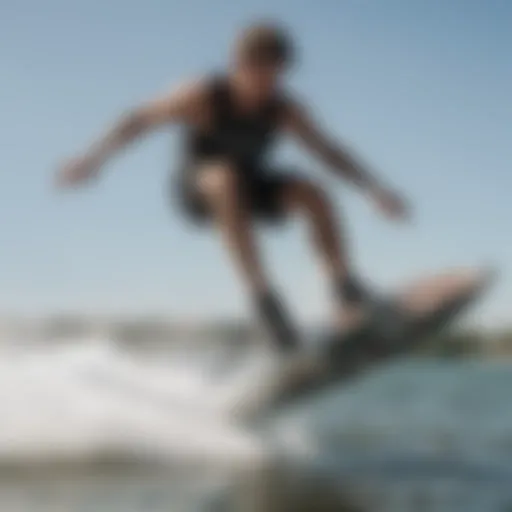
At its most basic, a powered hydrofoil board is a specialized watercraft that allows users to glide above the water's surface at higher speeds. Unlike traditional surfboards that rely purely on the rider's skill and ocean waves, these boards incorporate a hydrofoil—a wing-like structure mounted beneath the board that lifts it out of the water when enough speed is achieved. This lift significantly reduces drag, enabling smoother rides even in choppy waters and enhancing overall speed.
In addition to the hydrofoil, powered boards are equipped with a motor, usually electric, that provides thrust, allowing riders to propel themselves without the need for wind or waves. This essentially opens up a whole new playground; you can ride these boards on various water bodies, be it lakes, rivers, or the open sea. For enthusiasts and newcomers alike, the allure of powered hydrofoiling lies in the sensation of weightlessness it provides, akin to flying just above the water.
More than just a trend, powered hydrofoil boards embody the future of water sports—their design and mechanics reflect a commitment to performance, accessibility, and innovation. Understanding how they work can help riders appreciate the engineering behind the fun, leading to a richer experience.
Brief History of Hydrofoil Technology
The journey of hydrofoil technology dates back to the early 1900s when physicist and engineer Alexander Graham Bell first tested a hydrofoil boat in 1919. The device showed promise and hinted at the potential for faster boats, laying the groundwork for future innovations. However, it remained largely experimental for many years. It wasn't until the 1960s and 70s that hydrofoils began to find functional applications in both military and recreational vessels.
The first powered hydrofoil recreational board made waves in the 2010s, ushering in a new era for water sports. As technology advanced, manufacturers began experimenting with materials and designs, resulting in the creation of lightweight, durable boards that could accommodate the growing interest in powered sports. Today, powered hydrofoil boards integrate cutting-edge technology—the combination of electric propulsion, advanced battery systems, and aerodynamic designs has dramatically transformed the way enthusiasts engage with water sports.
Lessons from the history of hydrofoil technology serve not only as a reminder of innovation's relentless march but also as a catalyst encouraging modern engineers to push boundaries. Each stroke of progress refines the riding experience, making it more accessible and enjoyable for both serious athletes and casual riders.
"Innovation doesn't just happen in a lab; it happens every time someone dares to push the envelope in a new direction."
In exploring the past of powered hydrofoils, one gains a clearer picture of how far we've come and the advancements still on the horizon. The history of hydrofoil technology is more than storytelling; it’s a roadmap to envisioning the next waves of innovation.
Mechanical Structure and Design
The mechanical structure and design of powered hydrofoil boards form the backbone of their functionality and performance. Understanding these components not only aids in the selection process for potential buyers but also provides insight into the capabilities and limitations that these boards may present. Each element of the design serves a specific purpose, combining to create an enjoyable and exhilarating riding experience that distinguishes powered hydrofoils from other watercraft.
Key Components Explained
Foil
The foil is arguably the most critical component of a powered hydrofoil board. It includes a submerged wing that generates lift, allowing the board to rise above the water's surface. This crucial lift reduces drag and contributes to more efficient movement through the water, resulting in smoother rides even in choppy conditions. The most popular foils tend to be made from lightweight materials that balance strength with buoyancy.
A major characteristic of foils is their shape. Different profiles can be designed for varying conditions - flat and wide foils are typically great for stability, while thinner foils may excel in speed. However, one should be cautious with performance; a thinner design might increase sensitivity to user inputs, potentially making it a less forgiving choice for beginners. Thus, the selection of the foil should reflect the rider's skill level and intended usage.
Board
Next up is the board itself. The size and shape of the board significantly affect overall performance. Longer boards tend to provide more stability, making them suitable for novice riders or those looking to navigate still waters. Conversely, a shorter board may offer sharper turns and an agile feel, appealing more to advanced riders seeking thrills in challenging environments.
The material of the board plays an essential role too. Boards can be crafted from various materials such as foam, carbon fiber, or fiberglass, each with its own set of advantages. For instance, carbon fiber boards are lightweight and robust, allowing faster maneuvers but at a higher price point. Hence, choosing the right board often comes down to balancing performance features with budget constraints while keeping in mind user experience.
Motor
The motor is an equally vital component, providing the much-needed propulsion for the ride. Generally, electric motors are preferred due to their quiet operation and ease of use. When looking for motors, considering the power output, measured in horsepower or kilowatts, is essential. Higher power levels typically translate to better efficiency and ride experience, especially in varied water conditions.
A notable feature of modern motors is their integration with control systems. Users can often adjust speed settings easily, which is a great plus for learners who may want to gradually increase their comfort level. However, the heavier the motor, the more weight the board carries, which can affect its buoyancy and overall agility in the water.
Control System
Lastly, we have the control system, which is critical for maneuverability. Most powered hydrofoil boards come with a wireless remote that allows riders to control acceleration, making it a straightforward experience to operate the board. This accessibility is a key reason many choose hydrofoil boards today.
The control system generally consists of a throttle mechanism and possibly a GPS-based tracking component. Riders benefit greatly from such features because they help in understanding how much power is being used as well as tracking distances. One consideration, though, is that some systems might have a learning curve for first-time users. A well-designed control system can significantly enhance the overall riding experience, making it smooth and enjoyable.
Design Variations and Customization
Customization options for powered hydrofoil boards are a great way for users to match the board to their specific preferences or the conditions they expect to encounter. Manufacturers offer a variety of designs, from color schemes to specialized shapes that can favor performance or stability. Riders often mix and match various components, such as combining different foils with the same board or motor, to create a board that truly reflects their personal riding style.
The ability to tailor each component to a rider's individual needs is not only about personal expression, but it also allows optimizing performance for different skill levels and riding conditions. By taking advantage of these variations, users can enhance their experiences on the water significantly.
Weight and Material Considerations
Weight is an essential factor to keep in mind, as it affects both performance and handling of the hydrofoil. Many manufacturers are turning to advanced materials like carbon fiber to produce boards that are lightweight yet durable. This shifts the balance toward better efficiency and reduces the energy required to lift the board out of the water.
Alternatively, some users may prefer a heavier board for added stability during rides over rougher waters, drawing attention to the significant impact that material choice can make.
Overall, the mechanical structure and design of powered hydrofoil boards is a fascinating area worth exploring. Each component plays a vital role in enhancing user experience, and being aware of these details can greatly assist riders in making informed decisions.
Benefits of Using Powered Hydrofoil Boards
The rise of powered hydrofoil boards marks a fascinating pursuit within the watersports community. These innovative devices offer a blend of adrenaline, ease, and versatility. Let's explore the core advantages that make these boards a game-changer.
Efficient Energy Use
One of the most striking features of powered hydrofoil boards is their efficient energy consumption. Unlike traditional jet skis or large boat motors, hydrofoil boards are designed to glide above the water surface. This unique design reduces drag significantly, allowing the propulsion system to function more efficiently.
The result is a more economical ride where one can cover extended distances without burning through a fuel tank or battery too quickly. By optimizing energy use, users can enjoy more time on the water while minimizing their environmental footprint. It's like having your cake and eating it too—thrill seekers can maximize their time without the guilt of overconsumption.
Performance in Various Water Conditions
When it comes to performance, powered hydrofoils stand ahead in a class of their own. Whether you're navigating choppy waves or smooth surfaces, these boards adapt seamlessly. The hydrofoil lifts the board out of the water, providing increased stability and speed, even in less-than-ideal conditions. This ability to cut through water ensures that riders experience an exhilarating ride regardless of weather or wave patterns, making it a more reliable choice for many enthusiasts.
Moreover, the height at which the board rides allows for a level of control that's hard to find in traditional watercraft. Riders can maintain speed without the constant need to adjust for rough conditions, offering a smooth and enjoyable experience.
"Hydrofoil boards aren't just about looking cool. They perform exceptionally well in various environments, turning the ordinary into the extraordinary."
Accessibility for Different Skill Levels
One of the most attractive aspects of powered hydrofoil boards is their accessibility. Compared to other water sports, these boards have a learning curve that caters to a broad range of skill levels, from complete novices to seasoned riders. For beginners, many boards are equipped with user-friendly controls that engage the thrust gradually.
As individuals gain confidence, they can hone their skills and even tackle tricks and jumps. Advanced settings allow experienced riders to customize their ride, enhancing their overall experience.
Additionally, some manufacturers offer tailored training programs or demo days, where newcomers can try before they buy. This approach ensures that anyone interested in taking to the water doesn't feel overwhelmed.
In summary, powered hydrofoil boards not only elevate the watersport experience with their efficiency, performance, and accessibility but also open doors for a diverse audience. As more enthusiasts explore the world of powered hydrofoiling, the popularity of this sport is set to soar, making it a significant addition to the watersport landscape.
User Experience and Learning Curve
The user experience is a vital aspect when it comes to powered hydrofoil boards. It impacts not only how effectively individuals can master the art of hydrofoiling, but also shapes their overall perception and enjoyment of the sport. The learning curve with this innovative craft can be steep initially, but understanding the nuances of how powered hydrofoil boards operate provides a firm foundation for any enthusiasts. Notably, the balance between operational knowledge and practical experience plays an essential role in ensuring that users progress confidently and competently.
How to Get Started
Initial Training
Getting started with powered hydrofoil boards begins with initial training, which serves as a stepping stone to becoming proficient in the water. Initial training checkpoints your technique and helps in understanding the dynamics of the board, giving you that first taste of freedom and thrill. It's highly recommended that novices engage in this practice to avoid unnecessary mishaps that could detract from the joy of hydrofoiling.
Key characteristics of such training include practical demonstrations and hands-on sessions with instructors. This direct mentorship approach is beneficial, as it helps users to develop their confidence on the board rapidly. One unique feature of initial training is the focus on safety protocols and balance exercises. However, while engaging in this, users might find themselves overwhelmed by the number of instructions and corrections they receive.
Nevertheless, the advantages far outweigh any disadvantages. With structured training, learners are less likely to take unnecessary risks early on and are introduced to the best practices from the get-go.
Understanding Controls
Understanding controls is perhaps one of the most crucial aspects of operating a powered hydrofoil board. The learning curve can be less daunting with a clear grasp of how to manipulate the throttle and steering dynamics. Users often find this characteristic appealing, as it empowers them to connect intimately with the mechanics of the board. Dominating the controls leads to smoother rides and exciting maneuvers.
One unique feature of understanding controls is the feedback mechanism from the board, which teaches riders how changes in their weight distribution influence performance. This interactive learning aspect usually enhances the experience for users. However, newcomers may sometimes feel frustrated when trying to coordinate their movements with control adjustments, which can be disheartening but essential for growth.
Common Challenges and Solutions
Engaging with powered hydrofoil boards is not always smooth sailing. Several common challenges crop up, especially for beginners.
- Balance Issues: Regular practice helps in developing the necessary equilibrium. Focusing on foot placement and posture can make a world of difference.
- Speed Regulation: Many beginners struggle with throttle control. It’s key to gradually adjust speed instead of making abrupt changes, which can lead to loss of control.
- Water Conditions: Beginners may feel intimidated by choppy waters. Seeking calmer conditions initially enables a more comfortable learning environment.
Solutions to these challenges lie in experience and patience. Joining community groups, such as those on Reddit, can provide tips and shared experiences that help in overcoming obstacles faced by many riders. Sharing insights on platforms like Facebook also enhances learning through communal knowledge.
Learning how to ride a powered hydrofoil board encompasses a rich combination of initial training, control mastering, and navigating through potential hurdles. This combination ensures that riders enjoy the thrill while also focusing on proficiency and safety.


Safety Measures and Best Practices
When it comes to powered hydrofoil boards, safety measures are not just an option; they are a necessity. Accidents can happen in the blink of an eye on the water, and being prepared is a key part of enjoying this thrilling sport. Proper safety practices help to ensure that you can have fun while minimizing the risks associated with high-speed water activities. From wearing the right gear to understanding local rules and regulations, these measures not only protect individuals but foster a safer environment for everyone on the water.
Essential Safety Gear
Impact Vest
The impact vest serves as an essential layer of protection for hydrofoilers. Unlike traditional life jackets, which are bulky and may restrict movement, impact vests are designed to be snug yet flexible. They cushion the body upon impact, which is especially crucial when learning or performing tricks.
A key characteristic of the impact vest is its lightweight design, often made from neoprene or other buoyant materials, allowing for a full range of motion while still providing safety. This combination makes it a favorable choice for both novices and experienced riders. One unique feature of many impact vests is the additional padding in high-impact areas, such as the ribs and back, which can substantially reduce the risk of injury during falls.
Advantages:
- Enhanced mobility compared to traditional life jackets.
- Reduces impact force on the body during falls.
- Lightweight and comfortable for sustained use.
Helmet
A proper helmet is a non-negotiable safety requirement when using a powered hydrofoil board. Water sports can take unexpected turns, and a helmet protects against head injuries from falls or collisions with other objects or riders.
The crucial aspect of a helmet is the level of protection it offers. A well-designed helmet will utilize materials that absorb shock while still being lightweight enough for comfortable wear. Many hydrofoil enthusiasts opt for helmets that are certified for water sports, ensuring they meet safety standards. One notable feature is the ear protection that some helmets come with, which can prevent water and sound from disturbing your concentration.
Advantages:
- Protects against potential head injuries.
- Comfortable designs cater to long rides.
- Often includes additional features like ear guards and ventilation.
Leash
The leash may seem like a simple accessory, but it plays a pivotal role in safety. It connects the rider to the board, which means if a rider falls, the board doesn’t float away or hit others nearby.
A key characteristic of a good leash is its elasticity. This allows for some give when the rider falls, reducing the risk of injury from a sudden jerk. A coiled leash is a popular choice as it remains close to your body when not in use, minimizing potential tripping hazards. The leash's unique feature is its quick-release mechanism, which enables easy detachment in emergency situations.
Advantages:
- Prevents your board from drifting away.
- Reduces the risk of collision with other riders.
- Quick-release features add an extra layer of safety.
Navigating Water Traffic Safely
Navigating water traffic poses its own challenges. Powered hydrofoil boards can reach significant speeds, making situational awareness paramount. Riders must stay vigilant and always keep an eye out for other vessels, swimmers, and obstacles. Learning to read water conditions and understand navigational rules can help prevent accidents. It's about respecting the environment and ensuring everyone's safety.
Understanding Local Regulations
Lastly, understanding local regulations is vital when engaging in hydrofoiling. Rules vary by region and can include designated zones for water sports, speed limits, and requirements for visibility like lighting or flags. Knowing these regulations not only keeps you compliant but also promotes a safer environment for everyone on the water.
Taking the time to research local guidelines can save a lot of hassle and ensure enjoyable experiences. Websites such as usa.gov provide valuable information on laws and safety protocols that pertain to water activities in various regions.
Maintenance of Powered Hydrofoil Boards
Regular maintenance is essential for ensuring the longevity and performance of powered hydrofoil boards. Just like any other piece of equipment, ignoring proper care can lead to decreased performance, increased repair costs, or even safety hazards on the water. Understanding how to maintain these boards can save both time and money, allowing users to focus on enjoying their time on the water without issues.
Routine Checks and Care
Routine maintenance checks can make or break the experience a user has while riding a powered hydrofoil board. Here are several key components to keep an eye on:
- Battery performance: Regularly check the battery to ensure it's holding a charge. Look for any signs of swelling or corrosion. If the battery is removable, consider using a multimeter to check voltage.
- Foil integrity: Inspect the foils for dings or scratches that can affect performance. Any fracturing can cause instability, making it crucial to address any damage immediately.
- Motor functionality: Listen for unusual noises coming from the motor. If anything seems off, it may be time for a professional assessment. Pulling it apart to inspect wiring shouldn’t be needed unless you have substantial knowledge of electrical components.
- Hardware tightness: Ensure screws and bolts are tight, particularly after the initial uses. Vibration can loosen fittings, leading to potential failures during operation. This minor task can help in avoiding larger problems down the line.
Conducting these checks regularly—ideally before and after each use—can help catch small issues before they snowball into significant concerns.
Storage and Transportation Tips
Taking care of your hydrofoil board doesn't end when you leave the water. Proper storage and transportation are vital to maintaining its condition:
- Dry it off before storing: Water can lead to corrosion or mold growth. Make sure to wipe down the board, foils, and motor thoroughly after each session.
- Keep it elevated: When storing your powered hydrofoil, it’s best to keep it off the ground, ideally on a rack or in a protective case. This prevents accidental damage from fallen objects or ground moisture.
- Avoid extreme temperatures: Storing the board in a stable climate is key. Extreme heat can damage batteries while cold can affect performance. A cool, dry environment is optimal.
- Secure during transport: Use padded bags or cases specifically designed for hydrofoil boards. Ensure the foil is either removed or well-protected to avoid any accidental dings during transport.
"Proper maintenance starts before you hit the water and doesn’t stop until after the board is safely stored. Treat it right, and it will reward you with unforgettable memories on the waves."
Keeping these considerations in mind will not only extend the lifespan of the hydrofoil board but also enhance the overall riding experience.


Comparative Analysis with Other Watercraft
In the ever-evolving world of watersports, powered hydrofoil boards have carved out a unique niche, distinct from traditional watercraft. This section draws a comparison between powered hydrofoils and other popular types of watercraft such as traditional surfboards and jet skis. Understanding these differences not only informs potential buyers but also enriches the discussion about the future of water recreation.
While powered hydrofoils represent a leap forward in performance and technology, knowing how they stack up against older models of design helps users appreciate their value and identify the right choice for their paddling pursuits.
Traditional Surfboards vs. Powered Hydrofoils
When we talk about traditional surfboards, we are diving into a rich history of stoke and artistry, with enthusiasts often debating the merits of foam versus fiberglass. Surfboards are powered by the wave action itself, requiring skillful paddling and timing to catch the swell. This first-hand connection with nature is at the core of surfing's charm, fostering a deep bond with the ocean.
In contrast, powered hydrofoils utilize an electric motor that lifts the rider above the water's surface. While this may sound surreal, the experience is equally exhilarating, allowing riders to reach higher speeds and explore more varied conditions without relying strictly on wave presence.
Key Differences:
- Speed: Powered hydrofoils can achieve speeds of up to 30 mph, while traditional surfboards typically rely on waves for momentum.
- Accessibility: Hydrofoils allow for operation in flat water, expanding the ability to ride beyond just surf conditions.
- Skill Requirement: Surfing often takes years to master, whereas powered hydrofoil boards can be learned relatively quickly, making them appealing for newcomers.
- Environmental Impact: Surfboards generally have a smaller carbon footprint due to their lack of motor, whereas electric hydrofoils necessitate recharging and maintaining batteries—an ongoing consideration for any user.
Despite these distinctions, each type of board caters to different tastes and experiences—there's no denying the satisfaction of carving through a clean wave on a surfboard, just as there's nothing quite like the thrill of hovering above the water on a hydrofoil.
Jet Skis and Their Differences
Jet skis represent another class of personal watercraft, primarily designed for speed and agility. Capable of zipping across water at high velocity, they deliver an adrenaline rush that is hard to match. However, the experience can be quite different compared to riding a powered hydrofoil.
Hydrofoils, with their sleek designs and unique buoyancy, allow for an almost silent ride, reducing water displacement and resulting in a tranquil experience despite their high speeds. The jet ski, on the other hand, roars across the surface, producing significant splashes and noise.
Important Factors to Consider:
- Performance: Jet skis are designed for speedy maneuvers on the water, while hydrofoils focus on lifting off the surface, offering a smooth glide that lessens the impact of waves.
- Fuel vs Electric: Most jet skis run on gasoline, posing environmental concerns and fuel costs. Powered hydrofoils offer an electric alternative, albeit with the responsibility of battery management.
- Learning Curve: Jet skis are typically easier to start using, fully relying on user inputs and throttle control. Hydrofoils, while offering a different thrill, might require initial lessons to master the nuances of balance and speed.
Ultimately, the choice between powered hydrofoils and traditional watercraft boils down to personal preference and desired experience on the water. Each has its strengths and weaknesses, and understanding these can help users – whether they are seasoned veterans or fresh faces – make informed decisions about what excites them the most.
"Whether you favor the serene glide above the surf or the thrill of speeding through waves, there's always a way to connect with your passion on the water."
For more insights into watercraft technology and recreational water sports, consider visiting Wikipedia's Hydrofoil Article or checking forums on Reddit for community discussions.
Future Trends in Hydrofoil Technology
The dynamics of powered hydrofoil technology are rapidly shifting as advancements continue to blossom on the horizon. Understanding these trends is crucial for enthusiasts and professionals alike, as they shape not only the experience of riding but also the environmental impacts associated with this thrilling sport. Keeping an eye on future developments helps practitioners to stay ahead and make informed decisions about their setups and practices.
Emerging Innovations
The world of powered hydrofoils is buzzing with innovations that can make the riding experience even more exhilarating. Manufacturers are experimenting with lightweight materials that enhance performance while providing maximum durability. Carbon fiber and advanced polymers are becoming more common, resulting in boards that not only glide smoother but are also easier to transport.
- Smart Technology Integration: Think about how smartphones have transformed our lives – similar advancements are creeping into hydrofoils. Integration of smart sensors that provide real-time data on speed, battery life, and ride stability can revolutionize how users approach their rides. It might be just like having a co-pilot providing essential feedback on performance.
- Battery Developments: There's been a much-needed push toward more efficient batteries. New lithium-ion technologies are being developed that promise extended ride times and faster charging capabilities, minimizing the wait time between sessions.
- Modular Designs: Imagine a hydrofoil board where you can swap out components based on your needs on a particular day. Emerging modular designs will allow riders to customize their hydrofoil setups to match specific water conditions or personal preferences, promising a more personalized experience on the waves.
"Consider the hydrofoil not just as a vehicle, but as a platform for continual innovation that keeps pushing boundaries."
Sustainability Considerations
There's no denying that with the joy of riding comes the vital responsibility of protecting our waterways. Sustainability is becoming a significant concern within the hydrofoil community, as riders are more conscious of their environmental footprint. As technologies and methods progress, so do strategies aimed at reducing the impact of these watercraft on our aquatic ecosystems.
- Eco-friendly Materials: Manufacturers are beginning to prioritize sustainable materials in the production process. This includes using recycled plastics and bio-based materials, which might not only appeal to eco-conscious customers but can also lead to more sustainable production practices.
- Energy Efficiency: The push for more energy-efficient motors is paramount. An increase in electric options can significantly cut down on emissions and decrease reliance on fossil fuels. As the technology gets better, the idea is that future hydrofoils will run cleaner, making it a more appealing option for both riders and the planet.
- Community Initiatives: Riders and manufacturers alike are exploring partnerships with environmental organizations to promote clean-up initiatives or educational campaigns. Engaging with local communities can foster an environment of stewardship, encouraging a mindset where protecting our natural resources is just as important as the thrill of the ride.
In summary, staying abreast of these future trends not only enhances the user experience but also aligns the hydrofoil community with a responsible approach towards environmental considerations. As technology continues to evolve, riders are equipped with more knowledge and tools to improve their adventures while preserving the beauty of our waterways.
Closure and Final Thoughts
Understanding powered hydrofoil boards is an adventure in both technology and recreation. As this guide has traversed the mechanics and benefits of these innovative watercraft, it has established how they fundamentally enhance the experience of water sports. With their unique ability to glide smoothly above water, powered hydrofoils not only provide thrills, but also a glimpse into the future of aquatic activities.
The landscape of water sports is evolving, and powered hydrofoil boards represent a significant leap forward. From their intricate designs to their user-friendly controls, these boards are accessible to a wide range of skill levels. Importantly, safety measures and proper maintenance play a critical role in ensuring a positive experience.
While navigating this new terrain of watercraft, enthusiasts should remain aware of local regulations and environmental considerations as well. The balance between enjoying the exhilarating ride powered hydrofoils provide and preserving our aquatic environments can’t be overstated.
Summary of Key Insights
- Performance Versatility: Powered hydrofoil boards offer exceptional performance across different water conditions, whether it’s flat waters or choppy seas.
- User Accessibility: They are designed to cater to various skill levels, making them appealing not just to experts, but also to those embarking on their first watersport experience.
- Safety and Maintenance: Employing essential safety gear and practicing routine maintenance ensures longevity and safety during use.
- Technology Evolution: Innovations in hydrofoil technology indicate a promising future for eco-conscious and efficient water sports.
Key points reveal that mastering the powered hydrofoil experience isn't simply about enjoying a thrill; it’s about expanding one’s horizons in water sports. Understanding how to care for the equipment and promote safety creates a cycle of respect and enjoyment for the waters we thrive on.
Encouragement for Exploration
For those considering diving into the realm of powered hydrofoil boards, this guide serves as a springboard for further exploration. Don’t shy away from challenges; rather, view them as opportunities to learn and conquer. Whether it’s improving your skills, engaging with the hydrofoil community, or venturing into new water conditions, each step is part of the journey.
Take time to connect with local enthusiasts, join forums, or visit meet-ups to pick their brains. Sharing experiences enriches your knowledge and bolsters your confidence. Education and preparation can transform a potential struggle into a confident ride. Equip yourself with information, practice diligently, and don’t forget to have fun! The waters beckon, and adventure awaits.