Exploring Surfboards and Swim Trunks in Watersports


Intro
Surfing has long been more than a mere sport; it's a lifestyle, a culture, and a powerful means of self-expression. At the heart of this vibrant world lie two cornerstone elements: surfboards and swim trunks. These items, often cast in the shadows of more glamorous accessories, play a pivotal role in defining the surfing experience. While many might shake their heads, saying, "It's just gear!"—the truth is, it’s their evolution, material composition, and cultural ties that truly enrich the ride.
Key Points
As we journey through this analysis, we’ll uncover the intertwined histories that bring surfboards and swim trunks together. From crafting techniques that have changed over decades to innovations that enhance performance, our inquiry will dive into the details that matter.
Our aim is clear: to deepen your understanding of these essentials. Whether you’re an experienced surfer honing your technique or a newcomer just testing the waters, recognizing the nuances within these components could transform your surfing journey. Let's not forget, the right fit and design can make all the difference, whether you're catching waves or enjoying a leisurely beach day.
By examining each section, readers will also gain insights into safety practices and paddling techniques. These are not just trivial considerations; they are keys to becoming a proficient surfer. Gear recommendations will follow, guiding you in selecting the best equipment to match your style, skill level, and body type.
Join me as we explore the significance of surfboards and swim trunks, understanding how they influence performance, comfort, and of course, style in the ever-thrilling arena of watersports.
Historical Perspective of Surfboards
The past is the foundation for understanding the evolving relationship between surfboards and swim trunks, both crucial elements of surfing culture. This historical lens adds depth to our appreciation of each item, showing how they have influenced not only the sport itself but also the lifestyles wrapped around it. Investigating the historical aspects highlights transformations that are not just aesthetic but deeply tied to the functionality and performance that today’s surfers seek. Understanding the journey of these elements allows for a richer perspective on modern innovations and cultural significance, making it a topic worth exploring thoroughly.
Origins of Surfing Culture
The roots of surfing stretch back centuries, with origins often traced to ancient Polynesia. It was more than just a pastime; surfing was a vital part of the social fabric, often intertwined with rituals, community events, and even navigation. The term “heʻe nalu,” meaning wave sliding, describes how early surfers used handcrafted wooden boards to ride the ocean waves, enjoying the spiritual connection to nature.
As surfing made its way to places like Hawaii and eventually California in the early 20th century, it evolved into a vibrant subculture. Surfing became synonymous with freedom and adventure, attracting individuals drawn to the ocean's call. It connected people not just with the sea, but also with each other, cultivating a sense of belonging among enthusiasts. The surf culture laid the groundwork for the flourishing surf industry that emerged later, making surfboards key instruments in this vibrant social landscape.
Evolution of Surfboard Design
The design of surfboards has undergone profound shifts, influenced by both technological advancements and shifts in surf culture.
Traditional Wooden Boards
While modern surfers often focus on the latest innovations, it's essential to acknowledge traditional wooden boards, which were the original tools for wave riding. Crafted from local woods like koa and balsa, these boards were heavy and unwieldy, yet they held immense significance. The weight offered a solid feeling in the water, providing stability that many experienced riders appreciated.
However, they often posed a challenge for new surfers to handle due to their bulkiness, which could be a detriment in rough seas. The unique charm of wooden boards lies in their aesthetics and craftsmanship, often showcasing beautiful grain patterns that modern materials lack.
The nostalgia attached to riding a wooden board still resonates with many surfers, embodying a deep connection to the sport's rich history.
Foreword of Foam Core Surfboards
The transition to foam core surfboards marked a significant turning point in surfboard history. Initially developed in the 1950s and 1960s, these boards utilized lightweight materials like polyurethane foam, allowing for much easier handling on the waves. Unlike their wooden predecessors, foam core boards are molded and shaped with precision, offering surfers a more user-friendly experience.
One primary advantage of foam core boards is their buoyancy, enabling riders to catch waves with less effort. However, as surfboards became lighter and more maneuverable, this change brought forth challenges, inclduing durability issues and contraction of the surfboard into less eco-friendly materials over time.
Despite these disadvantages, the foam core design remains a popular choice due to its versatility and performance enhancements. It highlights an essential shift towards a more accessible and industry-driven approach to surfing, bridging the gap between amateur thrill-seekers and seasoned surfers.
In summary, the historical perspective on surfboards reveals more than just a technological evolution; it uncovers a cultural lineage that informs both the current and future landscapes of surfing. Each transition reflects the core values and societal shifts that define the sport today, merging performance with personal expression.
The Craft Behind Surfboards
The creation of surfboards is not just about functionality; it's an art form that blends science with sports culture. The craft behind surfboards directly influences the performance and the experience of surfers. When talking about surfboards, one must appreciate the meticulous attention to detail that goes into their making. This section explores the materials and construction techniques that define a surfboard, dissecting how each element contributes to performance, durability, and environmental consciousness.
Materials Used in Manufacturing
Materials matter. The choice of components in surfboard production can greatly affect surfing experiences. Let's dive deeper into some fundamental materials used in crafting surfboards.
Polyurethane Foam
Polyurethane foam has long been a staple in the surfboard industry. This material is valued primarily for its lightweight nature and versatility. It yields a solid combination of floatation and responsiveness, essential properties for surfers tackling different waves.
One of its key characteristics is that it can be easily shaped into different profiles, which leads to varying board designs. Its ability to be customized allows shapers to create surfboards that cater to individual surfer preferences.
However, it’s important to note that polyurethane foam isn’t bulletproof. While it performs well, it is not environmentally friendly compared to newer products. Thus, while it maintains popularity among enthusiasts, there’s growing chatter about sustainable alternatives emerging on the market.


Fiberglass and Epoxy Resins
Fiberglass and epoxy resins represent another crucial component of surfboard construction. They are the materials responsible for giving surfboards their rigidity and strength. Fiberglass is combined with resin to create a hard shell that can withstand the stresses of water and impacts.
Key here is the longevity that fiberglass and epoxy offer. They contribute to the durability of the board, making it less prone to dings and damage. The ability to resist water absorption also prolongs the lifespan of a surfboard.
Nonetheless, the downside of fiberglass alongside epoxy is the environmental concern. Though more durable than polyurethane, the production of these materials involves chemicals that can harm the planet. Sustainable practices are increasingly sought after, leading to innovations in other materials.
Alternative Eco-Friendly Materials
Speaking of sustainability, alternative eco-friendly materials have started making a name for themselves in surfboard manufacturing. Bamboo, recycled materials, and bio-resins are leading this charge, offering a greener way to craft boards that perform well without leaving a heavy carbon footprint.
These materials are characterized by their renewable properties, which appeal to environmentally conscious surfers. For example, bamboo is not only strong but also lightweight, making it a great choice for board construction. The unique feature of eco-friendly materials is that they blend performance with environmental respect, providing surfers with a conscience about their gear.
On the downside, these alternatives may come with a learning curve in performance characteristics. As they are relatively newer entrants in the market, not all surfers have fully embraced them, leading to a mix of traditional versus modern thinking in board construction.
Construction Techniques
The craftsmanship involved in constructing a surfboard can vary, not just in materials but also in methods. This section evaluates different manufacturing techniques and how these impact surfboard quality and functionality.
Hand-Shaped vs. Machine-Made
Hand-shaped boards represent artisanal skill. These boards are meticulously crafted by shapers who have honed their skills over years. The key characteristic of hand-shaped surfboards is personalization; every board carries the unique touch of its maker, resulting in variations that could better suit individual surfing styles.
Conversely, machine-made boards provide consistency and efficiency in production. They can be produced at a larger scale and typically have precise specifications. Surfing schools and rental shops often choose machine-made boards for uniform performance. However, they lack that personalized feel that many skilled surfers cherish in hand-shaped boards.
Pros and cons exist for both methods. Hand-shaped boards can be more expensive and susceptible to variances in quality, while machine-made boards can be criticized for not providing the bespoke performance of their handcrafted counterparts.
Fin Placement and Its Effects
Fin placement on a surfboard can drastically impact how it rides. Fins act as stabilizers and can alter the board's behavior in the water. The key trait of fin placement is its direct correlation with maneuverability and speed. A board with fins placed more towards the tail tends to provide sharper turns, which is essential for advanced surfers seeking dynamic performance.
Furthermore, the design of fins themselves adds another layer of complexity. Different shapes and sizes cater to varied surfing styles. When fitted to the right board, the fins can enhance performance; however, an improper placement or choice may lead to instability and a disappointing ride.
In summary, understanding the craft behind surfboards helps not only in selecting the right equipment but also in appreciating the technical marvel that supports this thrilling sport. Each material and technique carries weight, literally and metaphorically, contributing to the future of surfing's craftsmanship.
Understanding Swim Trunks
When diving into the realm of surfing, one cannot overlook the role of swim trunks. Often seen just as a casual beachwear item, they serve a much deeper purpose for surfers. The right swim trunks play a vital role in ensuring comfort while riding the waves, and their design has evolved to meet the specific needs of the sport. Beyond just style, understanding swim trunks contributes to performance, health, and even the culture surrounding surfing. It's about finding that sweet spot between functionality and fashion, where each element complements the surfer's experience.
Historical Trends in Swimwear
The journey of swimwear offers a fascinating glimpse into societal changes and trends. Historically, swimwear for men started off as bulky and cumbersome, often made of heavy cotton or wool that soaked up water, weighing the wearer down. The early 20th century saw a shift with the introduction of lighter fabrics. By the 1960s, the rise of surfing culture propelled swim trunks into the limelight, reflecting a carefree lifestyle.
Key points in swim trunk history include:
- 1950s: Bold patterns and bright colors emerge, signaling a shift from practicality to expression.
- 1970s: The advent of stretchable materials allows for better fit and comfort.
- 1990s: The board short style becomes popular, influenced by surf culture and showcasing a relaxed vibe.
These developments highlight how swim trunks are not merely clothing, but an extension of cultural evolution and personal identity. From poolside parties to ocean adventures, their significance has become entwined with lifestyle itself.
Functional Aspects of Swim Trunks
Materials and Comfort
The materials used in swim trunks greatly impact their comfort and performance. Swim trunks are primarily fashioned from synthetic fibres such as polyester and nylon. These fabrics are known for their durability and quick-dry properties. The comfort factor is essential, especially when paddling or catching waves.
- Breathability is a huge advantage, allowing air circulation to prevent discomfort from excessive moisture.
- Additionally, elastic waistbands provide a snug fit without being restrictive, which is crucial whether one is riding a wave or lounging on the sand.
A common drawback is that some cheaper materials might not last long, fading or deteriorating after prolonged exposure to saltwater and sunlight. Ultimately, the right choice in materials can elevate the surfing experience.
Cut and Fit Variations
The cut and fit of swim trunks may seem like aesthetic choices at first glance, but they significantly influence performance in the water. Cut variations like board shorts, swim briefs, and hybrid styles cater to different preferences and needs. For instance, board shorts offer extra coverage and flexibility, making them ideal for active surfers.


- They generally feature a looser cut, allowing for maximum ease of movement.
- Conversely, swim briefs provide minimal material and are often preferred by competitive swimmers for their hydrodynamic advantages.
Ultimately, the fit affects how swim trunks perform in surf conditions. A well-fitting pair can enhance movement, ensuring that a surfer's focus remains on the waves, not on adjusting their gear. So, selecting the right cut becomes not only a matter of style but also a strategic decision for any water enthusiast.
Cultural Significance of Surfboards and Swim Trunks
Surfboards and swim trunks are not merely tools or clothing; they are emblematic of a lifestyle that intertwines recreation, identity, and cultural expression. This section digs into how these two elements influence not just the surfing experience but also the broader cultural tapestry that surrounds it. In many ways, surfing transcends just being a sport—it's a way of life, where the ocean becomes a canvas for personal expression and community.
Surfing as a Lifestyle
Surfing goes beyond the act of riding waves; it embodies a philosophy, a certain je ne sais quoi revolving around the connection to nature, adventure, and personal freedom. Many surfers cultivate this connection through various practices. For instance, they often engage in rituals such as early morning sessions, finding camaraderie at surf spots, or even contributing to ocean conservation efforts. This lifestyle extends to the choices made in gear as well. The surfboard you ride often reflects your values—whether that’s sustainability, performance, or aesthetics.
Moreover, surfing entails an intricate relationship with the ocean. Seasonal swells dictate not only wave conditions but also the rhythm of a surfer's life. It’s about understanding tides, winds, and local ecosystems. This deep and continual engagement fosters a unique sense of kinship among surfers, which is often echoed through forums, local surf clubs, or even digital spaces like Reddit.
"Surfing is a mindset and a way of life that connects people to both the ocean and to each other.”
Fashion and Identity
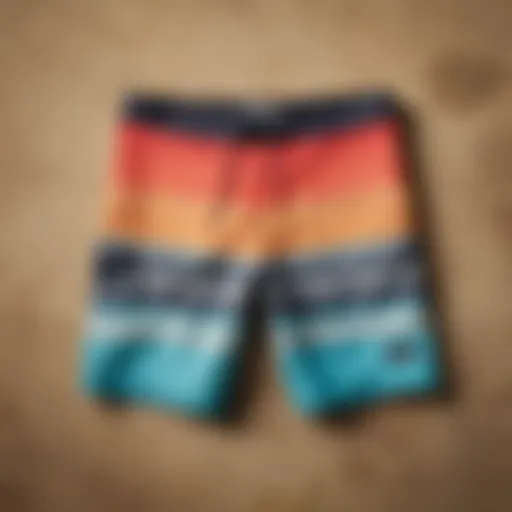
When we discuss the cultural significance of swim trunks, it's impossible to ignore their role in shaping identity. Swim trunks act as a brand of personal expression, often displaying everything from graphics to colors that signify individuality. They serve not just to keep one comfortable in water but also allow surfers to showcase their style, transcending practical use. This trend can especially be seen during surf competitions or festivals where the competition isn’t just about waves but also about fashion—bold patterns and unique designs become statements of identity.
The rise of social media has amplified this identity construction. The trend of posting surf snaps on platforms like Instagram has turned swimwear into a careful consideration rather than an afterthought. Brands have seized this moment, launching lines specifically aligned with the surf culture's ethos, focusing on eco-friendly materials or innovative designs tailored for performance.
In sum, the interplay between surfboards, swim trunks, and the culture they foster promotes a sense of belonging, a representation of one’s values, and ultimately, a distinct lifestyle that many enthusiasts embrace. The choices made in these items often speak to the broader aspirations and identities of those who engage with this sport, painting a complex picture of what it means to be part of the surfing world.
Performance Considerations
Understanding performance considerations related to surfboards and swim trunks is crucial for anyone involved in watersports. Performance can greatly affect the overall experience, from how well you can ride a wave to how comfortable you feel while swimming. With the right gear, one can enhance their surfing journey significantly.
Choosing the Right Surfboard
Board Types for Different Conditions
When it comes to surfing, the type of board you choose plays a pivotal role in how well you maneuver through waves. Different surfboard types, such as shortboards, longboards, and fish boards, cater to specific conditions. For instance, shortboards are excellent for powerful, steep waves and allow for quick turns and tricks, making them favorable during intense surf conditions.
On the other hand, longboards provide stability and ease for beginners and are ideal for smaller, rolling waves. The unique maneuverability offered by shortboards allows for better performance in competitive settings, whilst longboards promote a more relaxed surfing style, suitable for leisurely rides. It's worth noting that while shortboards enhance agility, they can be more difficult to balance on for less experienced surfers, marking it as a double-edged sword.
Personal Skill Level Considerations
A surfer's skill level is another vital consideration when selecting a board. Beginners are often advised to start with larger, more stable boards, which makes balancing and paddling easier. For someone just starting, big boards provide plenty of buoyancy and easier wave catching.
Conversely, advanced surfers often gravitate towards shorter boards that favor maneuvers and rapid turns. This transition is something to ponder because while it may reflect a more polished surfing style, it often demands a higher level of proficiency. A skilled surfer might find themselves frustrated trying to ride a longboard, as it doesn’t allow for the dynamic movements they’ve trained for.
Selecting Swim Trunks for Optimal Performance
Material Breathability and Quick-Dry Functions
Swim trunks are equally significant to performance in the water. When selecting swim trunks, the material must be breathable and possess quick-dry functions. Fabrics like polyester or nylon are common choices because they drain water quickly, allowing the wearer to transition smoothly from surfing to land activities without feeling weighed down.
The unique feature of quick-dry fabrics is their ability to evaporate moisture rapidly. This is beneficial as it reduces chafing, which can be a discomforting consequence of wet clothing. However, one must be discerning with materials; some quick-dry fabrics can cling to the skin when wet, which may hinder comfort—an aspect anyone engaged in repetitive motions like paddling would want to avoid.
Cut Styles for Hydro-Dynamics
When discussing swim trunks, the cut and fit plays a central role in how hydrodynamic a swimsuit is during actual surfing. Trunks that are too baggy can create drag, which is counterproductive to performance. A well-fitted trunk enhances efficiency and fluidity in movements, allowing a surfer to glide through the water seamlessly.
Styles such as board shorts often provide a balance; they’re not too tight and still allow room for movement. Yet, while they may offer some flexibility, they can sometimes carry excess fabric, which may catch the wind or water unwittingly, slowing a surfer down. Thus, choosing the right cut can elevate not only comfort but also effectiveness on the waves.
The right gear can make all the difference in maximizing performance, comfort, and enjoyment in surfing and beyond.
Choosing the right surfboard and swim trunks aligns with performance, confirming they serve as essential elements in the surfing experience. Ensuring these components are in sync with personal abilities and conditions can greatly amplify the quality of time spent on the water.
Environmental Impact of Surfing Gear
The surfing world, vibrant as it is, carries with it a responsibility not to overlook. Surfboards and swim trunks, while essential in providing the thrill of riding waves, also leave their mark on the environment. Understanding the environmental impact of surfing gear isn't just about mitigating harm; it's about fostering a culture that respects and protects our oceans. This section will explore key elements, advantages, and considerations surrounding the ecological footprint of surfboards and swim trunks.


Sustainability in Surfboard Production
The journey of a surfboard begins far before the first wave is ridden. The traditional materials used in surfboard manufacturing, often polyurethane and fiberglass, are significant contributors to environmental degradation. These materials can take centuries to degrade and their production process emits harmful greenhouse gases.
Alternative approaches, however, are beginning to take root. Manufacturers are exploring more sustainable options, as the call for eco-conscious practices grows.
- Biodegradable and Recyclable Materials: Companies like Sustainable Surf are pioneering surfboards made from bio-resins and recycled materials. This shift has the potential to not only reduce pollution but also influence other industries.
- Local Sourcing: Surfboards crafted using local materials minimize the carbon footprint associated with transportation. This practice enhances local economies and instills a strong connection between the local surf community and their natural environment.
These evolving practices indicate a move towards a less harmful impact on our ecosystems, but wider adoption across the board—no pun intended—remains essential.
Eco-Friendly Swim Trunk Options
Swim trunks, while often overlooked, also play a significant role in the environmental narrative of surfing. Most swimwear is made from polyester and nylon, synthetic fibers derived from petroleum. The production of these materials not only contributes to fossil fuel consumption but also leads to microplastic pollution in our oceans.
Innovative solutions are emerging on this front as well. A number of brands are beginning to recognize the necessity of eco-friendly swim trunks, leading to options that are increasingly sustainable:
- Recycled Materials: Brands like Patagonia have introduced swim trunks made from recycled plastics, diverting waste from landfills and ocean waters while offering the same performance as traditional materials.
- Natural Fibers: Some manufacturers are experimenting with natural fibers, such as hemp or organic cotton, which not only biodegrade more easily but also require less water and fewer chemicals to produce.
- Durability and Longevity: Choosing well-constructed swim trunks can decrease the need for frequent replacements, effectively reducing waste over time.
"Investing in high-quality, eco-friendly swim trunks isn't just a fashion statement; it's a commitment to preserving the very waters we love to surf on."
Incorporating these sustainable choices isn’t merely an act of environmentalism; it represents a tangible means of challenging the industry norms, urging others to follow suit. As outdoor enthusiasts and sports instructors begin advocating for sustainability, the potential for broader change increases significantly.
Next, as we explore the forward-thinking innovations in surfing equipment, the link between eco-friendliness and performance continues to emerge.
Future Trends in Surfing Equipment
The world of surfing equipment is always in a state of flux, adapting to both technological advancements and shifts in consumer expectations. Understanding the future trends in surfing equipment is crucial for enthusiasts and instructors alike, as these trends not only shape the way we engage with the ocean but also influence how gear manufacturers develop their products. In an era where sustainability, performance, and cutting-edge technology are paramount, surfboards and swim trunks are a microcosm of broader movements impacting the watersport community.
Innovations in Board Technology
As surfers seek out performance enhancements, board technology is undergoing significant innovations. Manufacturers are now experimenting with unique materials and designs which can profoundly impact a rider’s experience on the wave. For instance, high-performance foam combined with carbon fiber reinforcement offers both lightweight characteristics and superior durability. This fusion not only reduces drag but enhances the overall responsiveness of the board.
Another trend emerging is the integration of smart technology into surfboards. Imagine a board complete with sensors that track speed, location, and wave conditions, all transferrable to a smartphone app. Such advancements empower surfers with real-time data, allowing them to refine their technique and improve performance metrics. Thus, the marriage of technology and traditional surfing is paving the way for a new generation of riders, leading to a tailored surfing experience.
To encapsulate, here are some key elements of upcoming innovations in board technology:
- Smart Boards: Integration of sensors for performance data collection.
- Sustainable Materials: Eco-friendly options like algae-based resins and recycled plastics.
- Customizable Designs: More companies are allowing riders to specify board dimensions, graphics, and materials to create a truly personalized surfing experience.
Trends in Swimwear Manufacturing
Just as surfboards evolve, so do swim trunks—remarkably, with innovations aimed at functionality and aesthetics. The trend pushing the industry forward involves a deeper focus on both environmental impact and performance features. For instance, traditional polyester is now being challenged by biodegradable fabrics and recycled materials, which helps reduce plastic waste in our water bodies.
Moreover, advances in fabric technology are leading to swim trunks that are not just quick-dry but also resistant to sunscreen and saltwater degradation. This durability ensures that swim trunks can withstand the rigors of the ocean's harsh environment while remaining stylish. Features like built-in UPF protection and moisture-wicking capabilities have also taken center stage, providing surfers with gear that not only looks good but protects their skin and keeps them comfortable in the surf.
In summary, prospective trends in swimwear manufacturing include:
- Eco-Friendly Fabrics: Biodegradable options and use of recycled plastics.
- Enhanced Features: Quick-drying capabilities, anti-odor fabrics, and UPF protection.
- Fashion-Forward Designs: Collaborations with artists and influencers to create unique styles that represent individual identity.
"The future of surfing gear relies on a harmonious blend of sustainability and innovation, where each wave ridden is a step towards better environmental practices."
As we look ahead, it’s clear – the synergy between surfboards and swim trunks is becoming a defining component in the surfing landscape. Both dimensions are not solely about functionality but also embody a cultural shift towards responsible and performance-driven choices. By staying informed of these trends, enthusiasts can make educated decisions, fostering a deeper connection with the sport and the ocean.
Ending
The exploration of surfboards and swim trunks highlights their intertwined nature within the realm of watersports. The journey through history has shown us how these elements not only serve functional purposes but also embody cultural significance, influencing personal expression and performance on the waves.
Recap of Key Points
In summary, several key points can be distilled from this article:
- Historical Evolution: Surfboards have transitioned from traditional wooden designs to modern foam constructions, paralleling the evolution of swim trunks from simple briefs to specialized performance wear.
- Material and Construction: The choice of materials, like polyurethane foam for boards and quick-dry fabrics for swim trunks, plays a crucial role in enhancing comfort and usability in surfing environments.
- Cultural Impact: Both surfboards and swim trunks are not merely utilitarian objects; they represent a lifestyle and identity for countless surfers around the globe, bridging communities.
- Performance Optimization: The right surfboard paired with appropriate swim trunks can vastly improve both the surfing experience and overall performance in the water.
- Green Initiatives: With increasing focus on sustainability, the choices in manufacturing processes and materials underscore a growing awareness within the surfing community.
The Ongoing Relationship Between Boards and Gear
The relationship between surfboards and swim trunks is a dynamic one. Each impacts the other's development over time. As surfboard technology advances, so too does the need for swim trunks that complement these innovations. For instance, high-performance surfboards require equally advanced swim trunks designed for agility and comfort in the water.
Surfers are often seen as trendsetters, and their gear reflects broader fashion trends that ripple through outdoor culture. Thus, swim trunks are no longer just about function; they embody aspects of style, as vivid colors and patterns emerge to match the adventurous spirit of the surfing community. This ongoing dialogue between boards and gear sustains both industries, driving innovations that cater to an increasingly eco-conscious audience.
"Surfing is not just a sport. It's a lifestyle, a way of being connected to the ocean and community."
As we look to the future, the intertwining paths of surfboards and swim trunks will undoubtedly continue, marking the evolution of both the sport and its culture.