Essential Insights on Tow Ropes for Jet Skis

Intro
When it comes to enjoying the open waters on a jet ski, many enthusiasts overlook a crucial component of their watercraft experience — the tow rope. A well-chosen tow rope can make all the difference between a smooth ride and a challenging ordeal. With the variety of options available, understanding the specific characteristics of tow ropes designed for jet skis is essential for both safety and enjoyment. In this guide, we will dive into the types, benefits, and maintenance of tow ropes.
Understanding how these ropes work and what to look for can help you avoid unnecessary troubles out on the waves. From recreational towing to thrilling water sports, there's a right rope for every activity.
Essential Techniques
Paddling Techniques
While paddling may not come into play on a jet ski, understanding the principles of effective towing can enhance safety and enjoyment. When towing someone behind your jet ski, proper alignment and angle become paramount. Keep your jet ski at a consistent speed to ensure a smooth tow. Avoid sudden acceleration or sharp turns, which can jolt the person being towed.
For those engaging in activities like tubing or wakeboarding, maintaining a steady pace is crucial. The articulated motion of the ski can significantly affect the ride of the person in tow, making the experience more enjoyable and safe.
Safety Practices
Safety isn’t just a suggestion; it’s a priority when using tow ropes. Here are some tips to help keep everyone safe:
- Understand Weight Limits: Check the tow rope’s specifications for weight limits to avoid strain.
- Use a Spotter: When towing someone, use a spotter on the jet ski or in the water to ensure visibility and coordination.
- Stay Clear of Obstacles: Always be aware of your surroundings and avoid areas with boats, buoys, or other hazards.
- Wear Life Jackets: Make sure everyone involved is wearing appropriate personal flotation devices.
"Proper safety practices ensure you’re set for a great day on the water. Remember - it’s better to be safe than sorry!"
Gear Recommendations
Equipment Essentials
Selecting the right tow rope is just as important as the act of towing itself. Key features to consider include:
- Material: Look for ropes made from durable materials like polypropylene or nylon, which provide strength and resistance to wear and tear.
- Length: Depending on the activity, the length of the rope can vary. For water skiing, a longer rope is commonly preferred to allow for better positioning.
- Buoyancy: Some ropes are designed to float, which prevents them from sinking and makes them easier to retrieve.
Choosing the Right Gear
When it comes to picking the right gear, here are a few brands that stand out:
- Airhead - Known for their robust and versatile towing ropes suitable for various watersports.
- Sportsstuff - Offers an array of colorful and high-quality tow ropes that cater to different activities.
- Wakesurf - Specifically designed for wakeboarding, balancing strength and flexibility.
While online reviews can be useful, nothing beats a hands-on examination. Always consider factors like material and knot strength when deciding on the equipment.
For more expert insights, you can check resources from American Red Cross for water safety and practice guidelines.
As we continue to explore the topic of tow ropes for jet skis, remember that informed choices enhance your experience on the water, ensuring that every ride remains enjoyable and secure.
Prelims to Tow Ropes for Jet Skis
When delving into the realm of jet skiing, one often thinks about the exhilarating rush of racing across water, the splash of waves against the ski, and the sun glinting off the surface. However, behind this thrilling adventure, there lies an essential component that is often overlooked: the tow rope. Understanding tow ropes not only enhances safety but opens up a world of possibilities for various water activities.
Purpose of Tow Ropes
Tow ropes serve a vital role in the world of jet skiing. They provide the necessary connection between the jet ski and any additional watercraft or riders. Whether you’re towing a friend on a tube, pulling a wakeboarder, or managing a rescue operation, the tow rope is the lifeline that ensures stability and control during these activities.
To break it down a bit further, the purpose of these ropes can be viewed from multiple angles:
- Stability: A well-made tow rope can withstand the forces created during high-speed towing, keeping everything in line as the jet ski slices through the water.
- Flexibility: Different types of tow ropes can accommodate various activities, from leisure tubing to competitive wakeboarding, making them indispensable in a watersport enthusiast’s toolkit.
- Safety: In cases of emergencies, a sturdy tow rope can facilitate swift rescues, providing a means to pull someone back to safety.
Importance in Watersports
The significance of tow ropes in watersports cannot be overstated. Contrary to taking center stage, tow ropes are often the unsung heroes that keep the show running smoothly. With the recent surge in popularity of activities like wakeboarding and tubing, understanding the different types of tow ropes available is crucial. Each sport demands a specific rope type that can handle varied stresses.
- Diverse Activities: A single jet ski can be a launchpad for myriad activities, from casual fun to adrenaline-pumping rides. Tow ropes cater to these diverse uses — a lighter rope is better for leisurely tubing, while a thicker, heavy-duty variant is necessary for wakeboarding where high tension is a common factor.
- User Experience: Using the right tow rope can greatly enhance the experience on the water. A mismatched rope may lead to awkward falls or injuries, diminishing the joy of the sport. Therefore, awareness of the right type for your chosen activity is not just beneficial but essential.
- Trend of Safety: With increased participation in watersports, the focus on safety has gained momentum. Correct usage of tow ropes dramatically reduces the risk of accidents which is vital, especially for beginners.
In summary, the introduction of tow ropes into your jet skiing adventures provides countless advantages. As both a functional and safety-oriented piece of equipment, they are crucial for ensuring an enjoyable and secure experience on the water.
Types of Tow Ropes
When it comes to jet skiing, choosing the right tow rope can greatly impact your overall experience. The importance of tow ropes cannot be overstated; they serve as the lifeline during water activities, allowing for safe and enjoyable experiences while being pulled by a jet ski. This section will explore various types of tow ropes, focusing on how each type fits different needs and scenarios. From standard options to those offering specialized features, understanding the specifics behind each can lead to improved safety and performance.
Standard Tow Ropes
Standard tow ropes are often the go-to choice for many water sports enthusiasts. These ropes are typically designed to handle a range of activities, from tubing to water skiing. Their design focuses on durability and straightforward functionality, making them accessible for both novices and seasoned riders.


A standard tow rope usually features a simple construction, often made from nylon or polyester materials. The primary advantage here is the versatility of use. When you throw a standard tow rope into the mix, you're getting an all-rounder that can accommodate various weights and types of watercraft. However, make sure you check the weight rating to ensure what you choose suits your specific activities without risking breakage.
Benefits of Standard Tow Ropes
- Affordability: Generally, they sit well within budget limits.
- Versatility: Ideal for tubing, skiing, or any fun activity on the water.
- Easy to Handle: Lightweight and manageable, perfect for quick setups.
Tow Ropes with Bungee Features
Now let's shift gears to tow ropes that come equipped with bungee features. These ropes are designed with built-in elasticity, which absorbs shocks during towing. If you've ever experienced the jerk of a sudden stop or hard pull, you can appreciate the need for a smoother transition.
Tow ropes with bungee attributes serve to enhance the riding experience. They allow for a more forgiving stretch, making it easier to maintain control when towing. This helps in minimizing jerkiness, especially when someone is being towed at high speeds or over choppy water.
Key Characteristics of Bungee Tow Ropes
- Shock Absorption: Less strain on both the rider and the jet ski.
- Enhanced Control: Allows for smoother transitions and less abrupt movements.
- Increased Safety: Reduces the chances of injuries from sharp pulls.
Heavy-Duty Tow Ropes
For those who are serious about their water sports, heavy-duty tow ropes present a solid option. These ropes are crafted for more extreme conditions, such as towing larger vessels or in turbulent waters. Built with sturdier materials, often reinforced for added durability, they are the champions of safety and reliability.
Those who engage in high-performance activities like wakeboarding or larger-scale towing would benefit greatly from the extra strength these ropes provide. It’s not just about pulling; it’s about pulling under challenging conditions without compromising integrity or safety.
Advantages of Heavy-Duty Tow Ropes
- Strength: Designed to carry heavier loads with confidence.
- Durability: Often resistant to wear and tear, even in rough waters.
- Peace of Mind: When you're dealing with higher stakes, reliability is key.
In essence, the types of tow ropes available are as varied as the water activities themselves. Selecting the right type ensures that your adventures on the water remain exhilarating yet safe.
Key Materials Used
Tow ropes are not just simple strands of fiber; they are carefully engineered components that play a vital role in ensuring safety and efficiency in jet skiing activities. When selecting a tow rope, it’s essential to consider the materials used in its construction. The right material can greatly influence the durability, elasticity, and strength of the rope, affecting its performance on the water. Below, we dive into the primary materials used in the manufacturing of tow ropes for jet skis and what you should keep in mind while choosing them.
Nylon Construction
Nylon is one of the most commonly used materials for tow ropes, and for good reason. Known for its remarkable strength and resilience, nylon is capable of withstanding significant tension without breaking, which is crucial when towing someone behind a jet ski.
Moreover, nylon’s resistance to abrasion makes it an ideal choice for marine environments, where rough surfaces and sharp objects can cause damage. Its ability to stretch provides additional shock absorption, making it a safer option when abrupt movements occur on the water. When choosing a nylon tow rope, look for options that are reinforced, as this can further enhance durability.
"Nylon ropes can hold the weight just like a champ, but make sure you check the UV rating, because sun exposure can weaken them over time."
Polyester Options
Polyester ropes are another popular choice among jet ski enthusiasts. While not as stretchy as nylon, polyester has a few advantages of its own. It excels in UV resistance, meaning it can withstand prolonged exposure to sunlight without deteriorating. This is particularly beneficial for people who go out on the water frequently, as a rope that maintains its integrity through countless sunny days is crucial.
Additionally, polyester is less expensive than nylon, making it a viable option for those looking for quality without breaking the bank. However, it’s important to note that polyester generally has a lower tensile strength compared to nylon, so careful attention should be paid to the weight capacity of the specific rope you choose.
Rope Thickness Considerations
Thickness is an important factor that often gets overlooked. The diameter of the rope influences not only its strength but also its overall handling. A thicker rope generally means it can carry more weight, which is essential for towing larger individuals or equipment. However, thicker ropes can also become cumbersome and heavy, potentially complicating storage and handling.
On the flip side, thinner ropes are easier to maneuver and store but may lack the strength required for heavier loads. When selecting rope thickness, consider the intended use: for casual towing of children or light loads, a thinner rope may suffice. Conversely, for more intense activity or towing larger objects, err on the side of a thicker, sturdier rope.
How to Choose the Right Tow Rope
Selecting the ideal tow rope for your jet ski is far from a trivial decision. It is imperative to reckon with factors like your intended usage, the weight requirements, and the compatibility with your specific jet ski model. A well-considered choice of tow rope not only enhances safety but also ensures enjoyable experiences out on the water. Understanding these aspects can elevate not just the performance of your towing activities, but also the overall joy of your time spent on the waves.
Assessing Usage Scenarios
When contemplating which tow rope to acquire, one should first consider how the rope will be used. The scenarios could range from simple towing of a beginner on a wakeboard to pulling multiple riders in a tubing session. Each scenario has different demands on the rope. For instance:
- Recreational Use: If you mainly plan to tow friends around for fun, a standard rope would suffice.
- Performance Activities: For those serious about water sports, using a bungee-style rope can provide better shock absorption, allowing for smoother rides.
- Heavy-Duty Towing: Should you find yourself frequently towing larger items or multiple people, investing in a heavy-duty option with a stronger build is necessary.
Knowing your intended use will guide you toward the right specifications, minimizing frustration and maximizing enjoyment.
Weight Capacity Requirements
Another critical element to keep in mind is weight capacity. You might think, "Isn't this just for recreational fun?" But trust me, underestimating this can spell disaster. Every tow rope has a specific weight limit, and exceeding it can lead to dangerous situations or rope failure. Here’s what to ponder:
- Single Rider: For a single person on a jet ski, a rope with a capacity of around 1,200 to 2,000 pounds should typically suffice.
- Multiple Riders: If you're planning to tow multiple people or heavier equipment, a robust rope rated for higher capacities—like 2,500 pounds or more—is advisable.
- Check Manufacturer Specifications: Always refer to the manufacturer's guidelines for each rope you consider.
Knowing your weight needs helps in making a safe and sensible choice, allowing you to focus on the fun instead of worrying about equipment failures.
Compatibility with Jet Ski Models
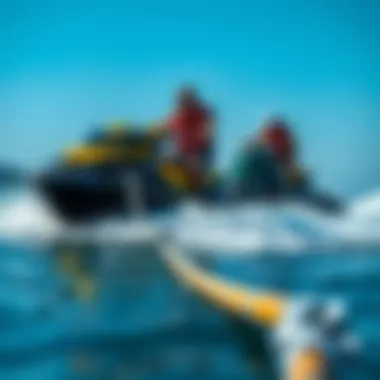
Not all tow ropes are created equal, and compatibility with the specific model of your jet ski plays a crucial role in your selection process. Different jet skis have varying towing capabilities, and some might even come with specific recommendations for tow rope types. When you're choosing:
- Manufacturer Guidelines: Always check if the jet ski's manual includes specifications for towing accessories. Some brands have unique fittings or recommendations that must be adhered to.
- Towing Capacity Assessment: Ensure the tow rope you pick aligns with the jet ski's towing capacity. An incompatible rope can strain both the rope and the ski itself.
- Attachment Mechanisms: Consider the attachment points on your jet ski. Some require specific knots or clips that could determine which type of rope is suitable for your setup.
"Not every rope will fit; ensure you have the right one to keep your adventure smooth and safe."
In short, choosing the suitable tow rope necessitates a thoughtful approach that takes into account usage scenarios, weight limits, and compatibility. A well-selected tow rope not only enhances safety, but also contributes significantly to the riding experience. Stay informed, stay safe, and ever ride on!
Safety Considerations
When it comes to jet skiing, safety cannot be an afterthought. Choosing the right tow rope is crucial not just for performance, but also for ensuring a secure and enjoyable experience on the water. This section emphasizes the importance of safety when using tow ropes, addressing specific elements that can make or break your time spent on the waves.
Check for Rope Damage
Before launching into thrilling water adventures, inspecting your tow rope for damage is essential. A quick check can save hearts from racing too quickly in panic should something go wrong. Look for signs of wear, fraying, or cuts. These can compromise the rope's integrity and lead to accidents. In addition, check the knot at the attachment point to ensure it's tight and secure, as loose knots can come undone easily, especially when under pressure.
Always remember to replace any damaged ropes before hitting the water. A small crack today could lead to a big problem tomorrow.
End of season wear can be severe, after all; saltwater, sand, and even UV exposure can take a toll on materials. A good habit is to keep a maintenance log where you note inspection dates, repairs made, or when it’s time to renew your gear. Keeping track ensures you’re always ready for that spontaneous weekend trip or unexpected wave.
Proper Towing Techniques
Once the rope is in good shape, ensuring the right towing techniques comes next. Towing isn't just about having enough power; it requires finesse and control. First, make sure the jet ski is at a reasonable speed. Starting off too fast can create tension that jerks the person being towed, risking injury.
Keep the orientation in mind. A slight angle while towing can help achieve better stability and reduce the risk of capsizing either watercraft involved. Additionally, communication with the skier or boarder is paramount. Using hand signals simplifies coordination throughout your adventure. Without it, miscommunication might lead to unwanted surprises.
Before attempting any tricks or jumps with the tow rope in play, confirm that all participants know the signals and boundaries—this ensures everyone remains safe but can still enjoy the thrill of the ride!
Understanding Limits and Risks
It’s vital to have a clear grasp of both the limits of your equipment and your own abilities. The tow rope’s length and strength dictate how far and how much weight you can safely pull. Long ropes might seem appealing for more slack, but they can also create unnecessary distance that amplifies risk if any complications arise.
Additionally, understanding the risks of different environments is necessary. Rough waters, strong currents, and crowded beaches pose unique dangers. You have to adjust your technique and approach accordingly to accommodate these factors. Know your jet ski and its capabilities, whether it's a nimble model suited for stunts, or a heavier duty version crafted for sheer pulling power.
In summary, safe towing practices aren't just about the rope; they're about a comprehensive understanding of the situation. Absorbing every detail from the tow rope condition to environment factors means you can have a blast while keeping safety front and center.
Towing Techniques for Jet Ski Enthusiasts
Towing with a jet ski isn’t just about hitching a rope and zooming off. It’s a careful dance between the operator's skill and the mechanics at play. Understanding the towing techniques can significantly enhance the experience on the water, ensuring that both the rider and the towable are safe, comfortable, and having fun. This section will cover the basic towing procedures, advanced control methods, and how to handle different water conditions to equip jet ski enthusiasts with the know-how necessary for superior towing performance.
Basic Towing Procedures
Before taking to the water, it’s crucial to grasp the fundamentals of towing. Here’s a quick rundown of the basic procedures:
- Check Your Equipment: Always inspect the tow rope for any signs of fraying or wear. Ensure the jet ski’s towing eye is intact, as this is the anchor point for your towing endeavors.
- Proper Attachment: Connect the tow rope to the jet ski’s towing eye securely. A loose connection can lead to accidental disconnections when moving at high speeds.
- Start Slow: Begin by gently accelerating to ensure the person or item being towed is stable. Gradually ramp up the speed as you both become accustomed to the pace.
- Clear Communication: Establish hand signals or use a radio/communication device with the towed rider. Clear instructions can prevent misunderstandings, especially when navigating tricky waters.
- Keep a Steady Course: Avoid sharp turns and sudden stops until both parties feel secure on the water. Stability is key.
Using these basic towing procedures sets a strong foundation for any water sport activity.
Advanced Control Methods
Once you’ve mastered the basics, diving into advanced control techniques can take your towing to a whole new level. Here are some tips:
- Throttle Control: Fine-tuning your acceleration helps maintain a consistent speed, regardless of the distance behind you. This not only ensures a smooth ride but can also lead to a more exhilarating experience for the towed rider.
- Turning Techniques: When taking turns, gradually reduce speed before entering and accelerate during the turn to pull the towed rider through the arc. Sudden movements can throw them off balance.
- Using Waves to Your Advantage: If conditions allow, ride the waves at an angle. This adds a layer of excitement for the towed user while maintaining control and safety.
"Mastering advanced control methods not only enhances fun but also significantly improves safety on the water."
Navigating Different Water Conditions
Water conditions can change in a heartbeat, affecting towing dynamics. Here are some strategies for different scenarios:
- Choppy Waters: In rough conditions, utilize a more conservative speed. Too much power can lead to the watercraft bouncing over waves, endangering both riders. A smoother ride can be accomplished by slowing down and adjusting your angle to the waves.
- Calm Waters: In serene conditions, you can afford to go faster, which can increase enjoyment for the person being towed. However, remain cautious as even small ripples can affect your control.
- Windy Conditions: Wind can steer the towable off course. Adjust your position to counteract any wind push, which might require shifting your weight or altering your direction slightly.
Understanding these environmental factors allows for a safer and enjoyable experience on the water. Always stay alert and be ready to adapt your technique to ensure the safety of both yourself and your passenger.
In essence, mastering towing techniques can significantly amplify the thrill of jet skiing while adhering to safety principles. Whether you are towing a friend or a water toy, being equipped with the right approach can transform the experience from ordinary to extraordinary.
Maintenance of Tow Ropes
Maintaining your tow ropes is crucial if you want to enjoy a seamless experience while jet skiing. Tow ropes are not just cords; they are a lifeline that secures your fun activities on the water. Without proper maintenance, these ropes could wear down over time, jeopardizing both safety and performance. A good maintenance routine prolongs the life of the ropes, ensuring they can handle the demands of towing heavier loads, whether it's a wakeboarder, a water skier, or even a buoy. Below, we’ll dive into vital aspects of maintaining your tow ropes that every jet ski enthusiast should know.


Cleaning Procedures
Keeping your tow ropes clean is more than just a cosmetic issue—it's vital for their longevity. After a day on the water, ropes can accumulate salt, sand, and debris. To clean them:
- Rinse with Fresh Water: When you return home, give your ropes a good rinse with fresh water. This removes salt that can degrade the fibers.
- Use Mild Soap: Apply a mild soap with a soft brush to scrub any stubborn residues. Avoid bleach or harsh chemicals, as they can weaken the rope.
- Dry Thoroughly: Hang the ropes in a shaded area to dry; don’t leave them in direct sunlight for extended periods as UV rays can cause damage.
- Inspect as You Clean: Take this opportunity to inspect the rope for any frays or weak spots. If you find any, consider replacing the rope before your next outing.
Storage Guidelines
How you store your tow ropes can significantly impact their condition. Follow these guidelines to ensure they remain in prime shape:
- Coil Properly: When putting your ropes away, coil them neatly to avoid kinks. Kinking can weaken the fibers over time.
- Cool, Dry Place: Store them in a cool, dry place away from moisture. High humidity or damp conditions can lead to mold and mildew, both of which can ruin your rope.
- Avoid Heavy Objects: Keep any heavy objects off your stored ropes. Placing weights on top of your coiled ropes can cause deformities.
Pro Tip: A dedicated storage bag can help keep your ropes organized while protecting them from environmental factors.
Regular Inspections
Regular inspections are a cornerstone of tow rope maintenance. Just as you would check a car’s oil or tire pressure, make it a habit to check your ropes:
- Visual Inspection: Look for signs of wear like fraying, discoloration, or any structural issues. Even small signs can indicate the ropes are not safe to use.
- Check the Hardware: Inspect any clips or attachments for rust or wear. These components need to function properly to ensure safety.
- Functional Tests: Pull on the rope to check its strength. If it shows signs of stretching or weakness, it’s time to replace it.
By establishing a routine for maintenance, cleaning, storing, and checking your tow ropes, you not only enhance their durability but also ensure a safer experience on the water. Your jet ski adventure deserves the best preparation, and it starts with understanding how to keep your tow ropes in excellent condition.
Recommended Brands and Products
When diving into the world of tow ropes for jet skis, understanding the available brands and products becomes essential. The market doesn’t lack options, but quality and reliability are key factors in ensuring a safe and enjoyable towing experience. If you skimp on the rope, you might just find yourself in a sticky situation out on the water.
Why Brand Matters
Selecting a reputable brand can make all the difference. Established companies often invest more in research, testing, and materials. They build their reputations on durable, safe products that can withstand the rigors of water sports. A trusted brand also typically provides better customer support, offering troubleshooting or product guidance when needed.
Benefits of Quality Tow Ropes
- Safety: Higher quality ropes are less likely to snap under pressure.
- Durability: Reliable brands often use more resistant materials that handle UV rays, saltwater, and wear better.
- Performance: A good tow rope can impact how smoothly and easily the towing process unfolds.
- Warranty and Support: Well-known brands often offer warranties or guarantees, giving peace of mind when purchasing.
Considerations
Before settling on a brand, it’s worthwhile to consider the type of activities you plan to engage in. Not all ropes are suited for every purpose, so understanding your needs is crucial to making an informed choice.
"Choosing the right tow rope isn't just a matter of taste; it could mean the difference between a thrilling day out on the water and a regrettable experience."
Top Industry Brands
Understanding the top players in the tow rope market provides clarity on what to look for. Here are some of the notable brands:
- Connelly: Known for their innovative designs and materials. They offer a range of tow ropes suitable for both beginners and advanced users.
- O'Brien: A long-standing brand in water sports, O’Brien provides durable, safe tow ropes that cater to various likes and needs.
- Airhead: This brand emphasizes high-quality synthetic fibers and excellent tensile strength, ensuring superior towing performance.
- Sportsstuff: A popular choice for recreational towing, they reflect reliability and affordability in their offerings.
While these brands have solid reputations, always consider the specific product details, as individual items may vary greatly within a company's range.
Product Comparisons
Taking a closer look at specific products can help narrow down the best option for your jet skiing activities. Comparing features such as material, length, and strength helps you make informed decisions.
- Connelly 60ft Tow Rope
- O'Brien Ski Tow Rope
- Airhead Bungee Tow Rope
- Sportsstuff Tow Rope
- Material: Durable nylon
- Strength: 2,500 lbs
- Best for: Recreational use, maneuverable towing.
- Material: Multi-filament nylon
- Strength: 2,000 lbs
- Best for: Versatile usage; works well for water skiing as well as tube towing.
- Material: Stretchable bungee cords combined with nylon
- Strength: 2,800 lbs
- Best for: Enhanced responses while towing, providing a smoother ride.
- Material: Heavy-duty, floating nylon
- Strength: 1,550 lbs
- Best for: Budget-conscious water sports enthusiasts looking for reliability without breaking the bank.
When comparing products, don't just rely on the strength ratings; consider what environment and conditions you’ll be operating in, as well as your activity preference. This way, you find a product that’ll truly meet your needs.
End
When it comes to watersports, understanding the importance of the right tow rope for your jet ski is non-negotiable. A good tow rope serves as the lifeline between the jet ski and the rider being towed, whether that’s a fellow enthusiast on a wakeboard or a friend on an inflatable tube. The quality, type, and maintenance of the tow rope you choose can mean the difference between a thrilling experience on the water and a dangerous accident.
Recap of Importance
In this article, we have explored crucial elements surrounding tow ropes for jet skis. Here’s a quick recap:
- Types of Tow Ropes: From standard options to bungee models, each type has its unique advantages. Choosing the right sort is pivotal depending on what activity you'll undertake.
- Materials: Nylon and polyester constructions offer different balances of stretchability and durability, which directly impact your safety and enjoyment on the water.
- Selection Process: Factors like weight capacity and compatibility with your specific jet ski model should drive your decision, ensuring that your equipment meets both safety standards and your performance needs.
- Safety Essentials: Regular inspections and understanding the limitations of your tow rope can prevent accidents, contributing to a safer towing experience.
- Towing Techniques: Knowing how to handle various scenarios, such as changing water conditions, will enhance both your towing skills and your passengers' enjoyment.
These key aspects form a framework for informed decisions that will significantly enhance your jet skiing experience.
Final Thoughts on Tow Ropes
To wrap it up, selecting the right tow rope for your jet ski isn’t just about picking something off the shelf. It calls for a keen understanding of what your intended activities are, how much weight your rope needs to support, and your overall safety. As you gear up for another season on the water, take a moment to evaluate your current tow ropes. Are they up to par? Are they safe?
It's crucial to not only invest in quality tow ropes but also to cultivate a habit of regular maintenance. Proper care not only extends the life of your equipment but also safeguards you and your friends. Remember, the thrill of towing others on the water is unbeatable, but proper precautions will make those moments even more enjoyable. Taking these insights to heart will ultimately lead to many exhilarating, fun-filled days ahead on the water.