
Understanding Two-in-One Fin Setups for Watersports
Intro
Watersports could be considered a dance between human ingenuity and nature's elements, with paddlers carving their path across glistening rivers or expansive oceans. One key element for success in these sports is the fin setup, particularly when you aim for versatility and performance. The introduction of a two-in-one fin setup has stirred up conversations among enthusiasts and instructors alike. What makes this arrangement so essential?
This guide takes a closer look into the mechanics of such a setup, spotlighting why it’s gaining traction in the paddleboarding and kayaking communities. From improving the glide of your board to enhancing maneuverability through tackled waves, we will dive into the intricacies that make this fin design not just a passing trend. If you’re considering optimizing your watercraft experience, this overview might just be the blueprint you’ve been searching for.
Essential Techniques
Paddling Techniques
To fully grasp the advantages of a two-in-one fin setup, understanding effective paddling techniques is crucial. Put simply, it’s not just about how you paddle but how your fins complement your movements.
- Engage Core Muscles: Initiating a stroke with your core rather than just your arms allows better control. Fins benefit from a steady paddling rhythm, enhancing push-off with each stroke.
- Water Entry: Strike the water at a 45-degree angle rather than straight down. This technique reduces drag, allowing fins to do their job more efficiently.
- Reverse Stroke: Use a reverse paddle to pivot your kayak or board. When done right, it can help position your watercraft with minimal effort, giving the fins enough time to effectively adjust the angle of attack on the water.
Safety Practices
Every good paddler knows that safety comes first. With a two-in-one fin setup, being well-informed is an extension of that philosophy. Always remain vigilant and proactive in ensuring a safe environment while paddleboarding or kayaking.
- Check Equipment Pre-Launch: Don’t take shortcuts. Inspect your fins for cracks or wear that could affect performance.
- Wear a Life Jacket: No matter the conditions, a life jacket is non-negotiable.
- Stay Aware of the Currents: Understanding water conditions greatly enhances your ability to maneuver, making efficient use of your two-in-one setup.
"Knowing the water is as crucial as knowing your equipment. The right fin setup won't save you from careless actions."
Gear Recommendations
Equipment Essentials
Investing in the right equipment takes a keen eye. A two-in-one fin setup requires a combination of parts that harmonize well together to enhance performance. Consider the following:
- Hybrid Fins: These fins typically combine the characteristics of both long and short fins, delivering both speed and stability.
- Adjustable Mount Systems: This allows for quick changes between fin types, adapting to whatever conditions you face—be it flatwater or surf.
- High-Quality Materials: Fins made from durable composites can resist wear and tear more effectively, ensuring longevity.
Choosing the Right Gear
What’s a race car without an engine? Choosing the right gear for a two-in-one fin setup hinges on your personal paddling style and anticipated water conditions.
- Skill Level: Beginners might want fins that offer enhanced stability, whereas seasoned paddlers can opt for a more agile setup to boost speed.
- Water Conditions: Flat water calls for different fins than rough seas. Keep in mind that certain designs work better in certain environments, impacting performance significantly.
- Consult Online Communities: Platforms like Reddit and kayaking forums can offer practical insights based on real-world experiences.
As you delve deeper into the possibilities a two-in-one fin setup affords, the practical knowledge builds upon itself. It’s a continuous journey that connects gear with skills, and that ultimately enhances your adventures on the water.
Understanding Fin Setups in Watersports
When diving into the world of watersports, understanding fin setups becomes crucial for enhancing performance and navigating challenges. Fins play a pivotal role in determining how a paddleboard or kayak responds to the water. Their influence stretches beyond mere aesthetics, affecting glide, stability, and even maneuverability when slicing through waves or currents. For enthusiasts and instructors alike, recognizing this significance can elevate both recreational and competitive experiences on the water.
The Role of Fins in Performance
Fins act as stabilizers and directional guides. Think of them as the rudders of a ship; without them, you might find yourself drifting off course or struggling against the current. A well-designed fin can improve tracking—keeping the paddleboard moving straight with minimal effort. This is particularly important when facing swirling winds or rapid water movements, where every slight adjustment counts. It’s not just about going forward; effective fin setups can allow for better sharp turns, especially in crowded or tricky waters.
Moreover, the size and shape of a fin can affect speed. A broader fin tends to provide better stability at low speeds, making it ideal for novice paddlers who require additional support. Meanwhile, a narrower fin often promotes faster speeds, benefiting more experienced users who can handle the agility that comes with it.
Key Points:
- Fins stabilize and guide direction.
- Affects tracking and maneuverability.
- Size and shape influence speed and stability.
Types of Fin Setups Available
The diversity in fin setups caters to various water conditions and personal preferences. Here are some notable types:
- Single Fin: The classic option that provides reliable stability; commonly found on traditional paddleboards and kayaks. Ideal for flat water experiences but can struggle in choppy conditions.
- Thruster Setup: This includes three fins—one center fin and two side fins. This configuration balances speed and stability, perfect for surf kayaking or paddleboarding where agility is a must.
- Quad Setup: Four fins allow for increased speed and maneuverability, akin to a sports car taking sharp corners. It’s best suited for turbulent water, as it can manage well under pressure and turbulence.
- Two-in-One Fin Setup: A newer innovation intended for those looking for versatility. This design allows for switching between setups depending on water conditions, making it particularly beneficial for those who enjoy both paddleboarding and kayaking.
Defining the Two-in-One Fin Setup
The concept of a two-in-one fin setup is often regarded as a game-changer in the realm of watersports, particularly for paddleboarding and kayaking enthusiasts. But what does it truly mean? This innovative design merges two functionalities into one fin, offering remarkable adaptability while navigating diverse water conditions.
Concept and Design
A two-in-one fin essentially allows the user to switch between different fin types without needing to replace the entire fin system. This is significant as it provides flexibility based on varying conditions. For instance, when the water is calm, one can opt for a longer fin, enhancing stability and speed. On the other hand, in windy or choppy conditions, a shorter fin can be used for better maneuverability.
The design often incorporates a mechanism that allows easy adjustment, like a clip or lever system. The fins themselves can be made from durable materials such as fiberglass or reinforced plastic, which not only contributes to lifespan but also affects performance. Generally, a well-designed two-in-one fin should prioritize ease of installation and removal, ensuring that enthusiasts can switch configurations in a jiffy.
Ideal Conditions for Use
Understanding the best conditions to utilize a two-in-one fin setup can significantly enhance one’s experience on the water. Here are a few situations where this setup shines:
- Calm, Flat Water: In instances of glassy lakes or gentle rivers, a taller fin may provide the necessary glide and stability, allowing paddlers to achieve greater speeds.
- Windy or Choppy Waters: When the wind picks up and creates small waves, a shorter fin helps users maintain control and navigate through rough patches with ease.
- Varied Terrain: If you're exploring both estuaries and open coastlines, having the two-in-one setup means you can adapt swiftly to changing conditions without lugging around multiple fin types.
With understanding of these factors, watersports enthusiasts can optimize their experiences. Embracing this versatility can lead to greater confidence, enjoyment, and safety while adventuring on the water.
Benefits of a Two-in-One Fin Setup
The integration of a two-in-one fin setup can substantially elevate one’s experience in watersports, particularly for kayaking and paddleboarding enthusiasts. Understanding the advantages this design affords is crucial for anyone looking to enhance their performance on the water. The benefits span various aspects such as stability, maneuverability, and adaptability across different water conditions. With these factors in mind, paddlers can make smarter choices that suit their style and requirements.
Enhanced Stability
Stability is arguably one of the most significant factors when selecting fins for water activities. A two-in-one fin setup, which uses a dual-fin arrangement, provides a broader base on the water. This feature contributes to improved balance, which is essential for maintaining control, especially in choppy or unpredictable waters. Picture this: you’re gliding across a serene lake, and suddenly, waves from a passing boat rock the vessel. With a well-designed two-in-one fin setup, the steadiness helps you to remain upright, while also preventing sudden shifts that could lead to capsizing.
Additionally, stability is not just about keeping upright; it's also about fostering confidence in your paddling technique. A stable board allows newcomers to concentrate on their paddling form rather than their balance, ultimately leading to a more enjoyable experience. As you transition from calm waters to swells or currents, a reliable fin setup can drastically reduce the risk of mishaps, providing peace of mind.
Improved Maneuverability
Maneuverability is another strong suit of a two-in-one fin setup. The design necessitates fins that can work effectively both independently and in unison. This flexibility allows water sports enthusiasts to execute sharp turns, quick stops, and directions changes with ease. The configuration can be fine-tuned according to the water conditions, making it easier to switch from leisurely paddling to navigating through tighter spaces or engaging in playful surf, where quick agility is paramount.
For instance, imagine you’re attempting to glide around an obstacle or dart through a narrow channel. With the enhanced agility offered by the two-in-one configuration, you can take on rapid direction changes without sacrificing much speed. This feature amplifies the thrill of kayaking or paddleboarding, as you can explore a wider variety of environments.
Versatility Across Water Types
The versatility of a two-in-one fin setup stands out as an essential benefit. Every paddler has preferences shaped by their individual experiences, yet the water can vary dramatically from one location to another. Whether faced with smooth lakes, choppy coastal waters, or speedy rivers, having a fin setup that adapts to these distinct environments makes all the difference.
The ability to switch between fin configurations allows users to tailor their equipment according to specific activities they wish to engage in. For example, one might choose a broader fin arrangement for increased stability in calmer waters, then switch to a more streamlined setup for surfing or navigating rapids. This adaptability not only elevates performance but also extends the life of your equipment, as you manipulate how and where you use your board effectively.
Holistically, the advantages of a two-in-one fin setup cannot be overstated. These benefits—enhanced stability, improved maneuverability, and versatility across different water types—combine to cater to a wide range of water sports enthusiasts, regardless of skill level.
"Embracing the right fin setup paves the way for adventures on the water, ensuring you are both confident and capable, no matter where your paddling takes you."
Selecting the Right Fin Setup for Your Activity
Choosing the right fin setup for your water activity plays a crucial role in enhancing overall efficiency and enjoyment. It's not merely about aesthetics or brand name; it’s about performance and adapting your board or kayak to meet the unique challenges of varied water conditions. The distinction between fin setups is especially noticeable when cruising through different environments, making this choice fundamental for both casual paddlers and seasoned pros.
Kayaking vs. Paddleboarding Considerations
When it comes to picking between kayaking and paddleboarding, understanding how fin setups influence each activity is paramount. For instance:
- Kayaking: Generally, kayaks tend to have a narrower design, which means a more pronounced need for stability in swift currents. A two-in-one fin setup can provide that balance, allowing kayakers to navigate effectively while gripping the water firmly. Fins that are retractable or adjustable can aid in performance based on the water conditions, proving their worth in dynamically shifting environments.
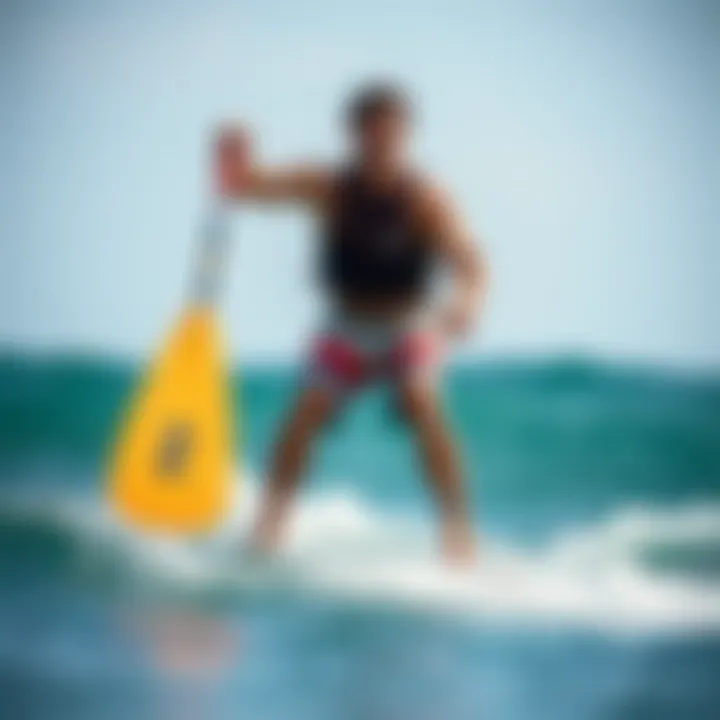
- Paddleboarding: On the flip side, paddleboards may offer more versatility regarding fin arrangements. A wider stance can benefit from a two-in-one setup that enhances maneuverability. Riders can switch to a more surf-oriented fin when carving through waves or opting for a longer fin to glide on calm lakes.
In summary, understanding the nuances of each water activity and how different fin setups cater to them will enhance the overall paddling experience.
Personal Skill Level Assessment
Before diving headfirst into the gear selection process, assessing your personal skill level is critical. Here are a few things to consider:
- Beginner: If you’re still finding your sea legs, a more user-friendly fin setup is essential. A setup that prioritizes stability over speed can significantly boost confidence. A broad fin, for example, can help beginners remain steady as they navigate the water, reducing the risk of spills and ensuring a smoother learning curve.
- Intermediate: Those with some paddling experience have more flexibility. A two-in-one fin setup could be beneficial here, enabling the quick switch between fins for different purposes. This allows paddlers to experiment with maneuverability when tackling more challenging waters.
- Advanced: Experienced enthusiasts may prioritize performance and speed. Having the flexibility to adjust fins based on specific conditions opens up a whole new realm of possibilities. The right fin setup could give an edge in competitive scenarios or rugged terrain, providing greater control and finesse in maneuvering.
In essence, matching your skill level with the right fin setup not only influences performance but also helps in developing skills. Each level of expertise can find a suitable configuration to enhance their time on the water.
"Understanding your capability will empower you to choose the right tools to navigate even the trickiest waters."
Investing just a bit of time into evaluating your abilities and your activity can lead to significant dividends in your water sports journey. For further insights into kayaking or paddleboarding, check out resources from sites like Wikipedia or Reddit for community discussions and tips on fin selections.
Technical Aspects of Two-in-One Fin Design
When it comes to watersports, getting the right fin setup is as crucial as choosing the right paddle. The technical aspects of a two-in-one fin design play a significant role in enhancing your performance on the water. It might seem like just a couple of pieces of material stuck to the bottom of your board, but these fins have been engineered to provide specific benefits that can make or break your experience.
Fins are not just functional; they’re an extension of your craft. Understanding the nuances of their design can empower you to make informed choices, optimizing your setup for both efficiency and enjoyment. This section dives into the material choices and durability, as well as the adjustability features that define a well-engineered two-in-one fin setup, ensuring you can make the most of your paddling or kayaking experience.
Material Choices and Durability
The materials used in the construction of a two-in-one fin can greatly impact its performance and longevity. Commonly, fins are made from thermoplastic, fiberglass, or composite materials. Each comes with its own set of pros and cons.
- Thermoplastic: This is often the choice for recreational kayakers and paddleboarders due to its durability and affordability. They’re pretty resistant to impacts, which means you don’t have to be overly cautious about every bump or scrape you encounter. However, they may not have the same performance edge as other materials.
- Fiberglass: Though it’s lighter and generally offers better speed, fiberglass fins tend to be more fragile. If you’re heading into rougher waters, that fragility could become a concern, leading to more frequent replacements.
- Composite: This option merges the benefits of both previous materials, offering a balanced approach. Composite fins can withstand tough conditions while maintaining decent performance levels.
Regardless of the material, ensuring that the fin is well-constructed is pivotal. A poorly designed fin can lead to both performance issues and safety concerns. Pay attention to how a fin responds under various conditions – a good fin should not warp or flex in a way that disrupts your glide.
No matter your choice of material, keep in mind that proper care can extend the lifespan of your fins. Always rinse them after use to remove salt or sand, and store them in a cool, dry place when they’re not in use. Taking these simple steps can prevent premature wear and tear.
Adjustability Features
In an arena where conditions change as swiftly as the wind, adjustability becomes a game-changer. A well-designed two-in-one fin setup often includes features that allow users to modify their fins based on their personal preferences or environmental conditions.
Adjustable fins can come in various forms:
- Interchangeable Inserts: These allow the user to swap different fin designs, each suited for specific water conditions, quickly adapting from flat water to racy environments.
- Bolt-on Mechanisms: This system permits fine-tuning of fin angles, which can significantly alter how a board reacts in the water. Adjusting the angle might help in improving tracking or maneuverability, depending on what's called for at any given moment.
- Flexible Designs: Some modern fins have flex points, allowing them to bend under pressure, providing better grip and control. This is especially useful in choppy waters, giving you that extra edge when you're dodging waves or making sharp turns.
These features are not just bells and whistles; they’re essential for optimizing performance and safety. With the right adjustments, you can turn your setup into a versatile tool that enables capturing the joy and thrill of watersports without compromising stability or control.
Installation and Configuration
Installation and configuration are key components when discussing a two-in-one fin setup in watersports. Without proper installation, even the most advanced fins won't yield their intended benefits. A well-executed installation can significantly affect performance, maneuverability, and overall user experience on the water. Taking the time to do it right translates to better safety and enjoyment while paddling.
Step-by-Step Installation
- Gather Your Tools: Before diving into the installation, ensure you have the necessary tools. Typically, this includes a screwdriver and possibly an Allen wrench, depending on your fin setup.
- Read the Instructions: It sounds straightforward, but don’t skip this step. Different manufacturers may have unique guidelines tailored for their products. Read the manual thoroughly to avoid any missteps.
- Attach the Fin Base:
- Secure the Fin: Using your screwdriver or the required tool, fasten the screw or latch to keep the fin aligned. Make sure it’s snug, but don’t crank it down to the point of damaging the fin or board.
- Test for Stability: After installation, hold the fin and shake it gently to ensure there is no wobble. Any loose components can hinder performance and should be adjusted.
- Final Check: Place the kayak or board in water to see how the fin reacts. This practical test can reveal any need for adjustments, ensuring you’re set for the day.
- Locate the base of your two-in-one fin. It's designed to fit snugly into the fin box of your paddleboard or kayak. Align it correctly with the slot in the board.
- Gently push it into place but ensure it doesn’t get stuck; a light tap usually helps secure it.
Configuration for Optimal Performance
Configuring your fin to meet specific environmental conditions and your paddling style significantly enhances your experience. Here are some points to consider:
- Water Conditions: Evaluate the water you're planning to paddle in. Choppy waters often require a more stable fin depth. A deeper fin can provide better control, while a shallower one offers speed in calmer conditions.
- Personal Preference: Depending on whether you enjoy straight-line speed or tighter turns, you might adjust the angle of the fin slightly. A more angled fin can enhance turn abilities while sacrificing some speed in a straight line.
- Review Past Experiences: Think back to your last outing. Did you feel stable? Was your craft maneuverable? Configuration isn’t only about setting the fin; it's about making subtle adjustments based on prior performance.
"An ideal fin setup is one that complements not just the water conditions but also your paddling style. It’s about maximizing efficiency to ensure a fun experience on the water."
- Experimentation: Don’t hesitate to experiment. Minor tweaks can lead to significant improvements in how you handle your vessel. Documenting these changes can help identify what works best for future outings.
Incorporating these installation and configuration steps ensures you’re making the most out of your two-in-one fin setup. Whether it's paddleboarding or kayaking, properly setting up your equipment allows you to focus on what matters most: enjoying your time on the water.
Maintenance of Fin Setups
When it comes down to enjoying hours on the water, regular maintenance of your fin setups cannot be ignored. This isn’t just a matter of keeping things tidy; it directly affects performance, longevity, and safety while you paddleboard or kayak. Overlooking the care of your fins can turn a fun day out into a frustrating one, possibly even leading to accidents.
Regular care ensures you’ll experience:
- Optimal Performance: Clean fins cut through the water better.
- Longer Lifespan: Just like any other equipment, proper upkeep can stave off wear and tear.
- Safety First: Malfunctioning fins can lead to instability, making it harder to control your craft.
In essence, treating your fins with the respect they deserve pretty much pays off tenfold. Let’s delve deeper into how to care for them and spot potential issues before they escalate.
Troubleshooting Common Issues
Addressing common issues is crucial in achieving peak performance when using a two-in-one fin setup for watersports. Even the best gear can come with a few hiccups, and knowing how to spot and resolve these problems can significantly enhance your paddling or kayaking experience. Being proactive about troubleshooting means not only maintaining equipment effectiveness but also maximizing enjoyment on the water.
Performance Problems
Performance problems can take a variety of forms, but they often present themselves as inefficiencies while navigating through the water. This could manifest as a lack of speed, difficulty in turning, or erratic handling.
Here are some common performance issues and their potential fixes:
- Drag and Resistance: If a fin setup isn’t properly aligned, drag can increase. Check if the fins are secured tightly and positioned as recommended by the manufacturer. A simple adjustment can transform a sluggish ride into a smooth ride.
- Asymmetrical Wear: Over time, the fins may experience uneven wear, especially if one side has been used more than the other. Inspecting them regularly helps catch these discrepancies early. Rotate the fins or replace them as needed to ensure even performance.
- Environmental Adaptability: Some setups excel in specific conditions; however, if you find your performance struggling in different water types—like switching from calm lakes to choppy seas—it may be time to revisit your fin configuration.
Remember,
"What you can’t see can still hurt you."
It’s wise to keep an eye on your fin’s adjustment mechanisms and ensure everything is in working order.
Installation Errors
Much like a poorly fitted shoe, a two-in-one fin setup can perform poorly if incorrectly installed. The nuances of a correct installation can be the difference between smooth sailing and a hassle on the water.
To prevent installation errors:
- Follow the Instructions: Every fin design comes with specific guidelines. Make sure you familiarize yourself with the best practices provided by the manufacturer. Underestimating the importance of these details can lead to a frustrating day on the water.
- Double-Check Your Work: After installation, it’s often beneficial to walk through the process again. Ensure that all screws or mechanisms are tightened properly. Loose installations can lead to wobbling fins and potential accidents.
- Test Before Relying on It: If you're making changes to your fin setup, take it for a test paddle in a controlled environment first. This will give you a chance to catch any issues before heading out into unpredictable waters.
By addressing these common performance problems and installation errors, you equip yourself against the challenges that can arise during your watersport activities. This foresight not only enhances your personal safety but also deepens your overall enjoyment of paddleboarding or kayaking.
Future Innovations in Fin Design
The world of watersports is ever-evolving, and as technology advances, so do the designs and capabilities of equipment, notably fin setups. In this context, the exploration of future innovations in fin design is more than just an academic exercise—it’s vital for paddlers who seek improved performance and sustainability on the water. The integration of emerging technologies and thoughtful sustainability practices are becoming key pillars in the design of two-in-one fin setups, making them more efficient, versatile, and environmentally friendly.
Emerging Technologies
Innovations in materials and engineering have been at the forefront of fin design advancements. Many manufacturers are now using newer composites that are both lightweight and incredibly strong. For instance, carbon fiber fins are becoming a go-to option in high-performance scenarios, offering unmatched strength while shedding unnecessary weight. Additionally, thermoplastic elastomers, known for their flexibility and durability, are gaining popularity in fin designs, allowing for a wider range of fin shapes without compromising performance.
Furthermore, the use of 3D printing technology is revolutionizing how fins are produced. This allows designers to experiment with complex geometries that were previously difficult or costly to create using traditional methods. Customization is another exciting avenue; enthusiasts can design fins tailored to their specific paddling style, water conditions, and preferences—whether that's sleek curves for speed or broader shapes for stability.
"The future of fin design lies in customization and innovation, making the watersport experience highly personalized and enhanced for every paddler."
Sustainability Considerations
As the emphasis on environmental stewardship grows, sustainability considerations are taking center stage in the design of fin setups. Many companies are investing in biodegradable materials to reduce the ecological impact of discarded equipment. This shift is crucial as the watersports community becomes increasingly aware of its footprint on both local environments and the planet at large.
Another trend is the promotion of recyclable materials in fin production. Some brands are leading the charge by creating fins that can be broken down and reused at the end of their life cycle, setting a precedent in the watersports industry. By focusing on sustainability, manufacturers can not only meet the demands of environmentally conscious consumers but also contribute positively to marine conservation efforts.
In summary, the upcoming innovations in fin design offer promising benefits that can greatly enhance the experience of watersport enthusiasts. By leveraging advancements in technology and integrating sustainable practices, the two-in-one fin setup is poised to play a critical role in the future of watersports, making the sport more accessible, enjoyable, and environmentally responsible.
Ending
In wrapping up our exploration of the two-in-one fin setup, it’s clear that this configuration delivers significant benefits tailored for diverse experiences on the water. By merging functionalities, these innovative designs not only enhance performance but also cater to enthusiasts who wish to maximize their time spent paddleboarding or kayaking. The versatility inherent in such setups allows users to adapt to varying water conditions, ensuring that they enjoy smooth rides whether they are on calm lakes or choppy coastal waves.
Recap of Key Insights
To reinforce the insights discussed, let's highlight some key points:
- Enhanced Stability and Control: The dual fins provide improved balance, aiding users in maintaining an upright position even in rough waters.
- Adaptability: This setup allows paddlers to easily switch between different conditions without having to invest in multiple fin types.
- Economic Efficiency: Instead of purchasing separate fins for diverse activities, a two-in-one setup offers a tangible financial benefit, minimizing expenditures while enhancing watercraft capabilities.
- Simple Maintenance: Users can take care of one set of fins rather than juggling multiple components, resulting in less hassle.
"Investing in a two-in-one fin setup reflects a shift towards practicality and performance, responding directly to the evolving needs of watersport enthusiasts."
Encouragement for Further Exploration
As the watersport scene continually evolves, several avenues warrant exploration:
- Experimental Design: Keep an eye out for new materials and technology emerging in the market that promises improved aerodynamics or durability.
- Personalization: Dive deeper into how personal preferences play into fin choice. Engage with fellow enthusiasts on platforms like reddit.com to exchange insights and experiences.
- Community Events: Attend local watersports events or workshops to gain hands-on experience with various fin setups, enhancing your understanding and appreciation.
- Research and Trends: Stay updated with articles and discussions on platforms like britannica.com regarding innovations points in water activity gear.
Exploring these aspects not only deepens your knowledge but also enriches your overall experience on the water. By understanding the intricacies of fin setups, paddleboarding, and kayaking can turn from mere recreational activities into a fulfilling and skill-enhancing journey. The water awaits your exploration—dive deeper into the world that two-in-one fin setups have to offer!