
Understanding Swimming Fin Sizes for Optimal Performance


Intro
When it comes to improving swimming efficiency, one aspect often overlooked is fin size. Choosing the right fins can elevate your performance whether you’re a novice learner or an experienced swimmer gliding through the water. It’s not just about picking the flashiest pair; understanding the intricacies of fin sizes, shapes, and functions is key to maximizing your aquatic experience.
This exploration delves into the significance of fit and function, connecting the dots between fin characteristics and your swimming goals. We’ll tackle pivotal points like how the wrong size can hinder your performance or, when correctly chosen, help you achieve that extra push during your training. In addition, textures, materials, and other gear will be discussed, giving you a rounded perspective on selecting the perfect tools for your aquatic ventures.
Essential Techniques
Paddling Techniques
Using fins effectively requires mastering paddling techniques. Think of it as not just having a motor but knowing how to steer the vehicle, if you will. Fins amplify your leg strokes, allowing you to push more water with less effort, but technique matters significantly.
- Point your toes: Keeping your feet flexed ensures there's no drag. A steady, pointed foot creates a streamlined body, allowing for smoother motion through water.
- Engage your core: Ensure your core is activated when kicking. This stability minimizes unnecessary movement in your upper body.
- Practice consistency: Whether you utilize flutter kicks or dolphin kicks, practice regular intervals. Consistency builds muscle memory.
Safety Practices
With any sport, safety first! Fins can make you more confident in the water, yet it’s fundamental to recognize their limitations.
- Learn your boundaries: If you’re new to fins, gradually introduce them into your workouts. Overexerting yourself could lead to cramps or fatigue.
- Be aware of your environment: When swimming in open water, currents can be tricky. Proper fin size should account for potential resistance, ensuring you can maintain control.
- Wear the right gear: Always check your fit. Ill-fitting fins can lead to blisters or even injuries. A snug fit is essential, but ensure there’s some wiggle room, especially in the toes.
Gear Recommendations
Equipment Essentials
Investing in quality fins should go hand-in-hand with understanding your specific needs:
- Blade type: Full blades provide more propulsion but require increased effort, while short blades are ideal for speed and quick turns.
- Material matters: Softer materials like silicone offer comfort but less control, while stiffer materials enhance performance but might be less forgiving on your feet.
- Size selection: If you’re in-between sizes, opt for a bigger pair. It’s easier to deal with a little extra space with swim socks than to wrestle with cramped toes.
Choosing the Right Gear
Navigating the marketplace can feel overwhelming. Focus on a few guiding principles:
- Skill level: If you’re a beginner, consider fins that offer stability and comfort. Advanced swimmers might prioritize speed and efficiency.
- Activity type: Are you focusing on lap swimming, open water, or diving? Choose fins compatible with your primary activity.
- Test fit and feel: Take time to try different options, even if it means visiting multiple stores. Consider your comfort level as equally important as performance.
"Choosing the right fin size isn’t merely about what looks good; it’s about enhancing your performance and enjoying the water to its fullest."
Understanding swimming fin sizes and their effects is pivotal in the quest for better performance. By paying close attention to these elements—technique, safety, and gear—you’re setting yourself up for success in the water. The right fin choice has the potential to turn your swimming experience from ordinary to extraordinary.
The Role of Swimming Fins in Aquatic Activities
Swimming fins may appear as just another piece of gear, but their role in aquatic activities stretches far beyond mere aesthetics. They are significant tools that enhance performance and facilitate various swimming techniques. Let’s delve deeper into why swimming fins matter.
Enhancing Propulsion and Speed
Swimming fins serve primarily to amplify a swimmer's propulsion through the water. The design and size of the fins allow for more effective movement, akin to having a jetpack strapped to your feet. When you kick, the larger surface area of the fins pushes more water, translating that effort into greater thrust. This can be particularly beneficial for beginners who might struggle to generate sufficient momentum on their own.
- Power Generation: Fins help generate speed by harnessing more power from each kick. This means swimmers can cover more distance, using less energy.
- Acceleration: As swimmers learn to utilize the fins, their ability to accelerate improves. Moving quickly becomes a smoother process as the fins propel them forward almost effortlessly.
Additionally, fins promote an experience that strikes a balance between skill and strength for swimmers of all levels. For professionals, fins can be a secret weapon during training, setting the stage for improved endurance and pacing in races.
Improving Technique and Movement
Beyond simply making you faster, fins are invaluable training aids for refining swimming techniques. They encourage proper kicking and body positioning, aspects critical to efficient swimming. With fins, swimmers can focus on aspects of their stroke without fretting too much over propulsion.
- Alignment: Fins assist in keeping the body aligned in the water. A proper torso position can greatly affect overall performance, and fins help facilitate this by offering stabilizing effects.
- Kick Mechanics: Using fins encourages swimmers to kick from the hips rather than the knees. This subtle, yet crucial change can drastically enhance one’s kicking motion and make it more effective.
"Proper fin usage promotes a better understanding of water dynamics, which is crucial in mastering swimming techniques."
Furthermore, fins can mitigate excessive strain on the legs during intense training sessions. When muscle fatigue threatens to capsize the training regimen, fins provide a welcomed support. They enable swimmers to continue working on their kicks without risking injury.
The interaction between fins and a swimmer's body dynamics helps cultivate a more powerful and effective aquatic experience.
Types of Swimming Fins
The selection of swimming fins is integral to enhancing one's aquatic experience. They not only serve functional purposes but also influence how a swimmer interacts with the water. Understanding the different types of fins is pivotal for various reasons. Firstly, they can affect speed and agility in the water, impacting the overall performance of swimmers, whether professional or casual. Additionally, each type of fin comes with distinct characteristics that cater to different swimming styles and activities, making them suitable for specific situations. This section breaks down the common types of fins: short fins, long fins, and monofins, allowing readers to identify what suits their needs best.
Short Fins
Characteristics and Usage
Short fins are typically about six to 12 inches long, designed for efficiency. Their compact size allows for quicker leg movements and mimics natural swimming strokes. This makes them a popular choice for beginners and fitness enthusiasts alike, as they are less likely to cause fatigue while providing a good workout. They also enforce proper technique due to the limitations of their design, emphasizing the need for controlled kicks.
One of their standout features is their ability to enhance propulsion without overwhelming the swimmer. This is beneficial for those looking to improve their technique without the extra drag that longer fins might cause. Many short fins are also versatile enough to work in various aquatic settings, whether in a pool or open water.


Best Practices for Beginners
Beginners can benefit significantly from using short fins. These fins allow for a more manageable introduction to swimming techniques. A key aspect of best practices includes wearing fins that fit snugly without being overly tight—this helps prevent blisters while maintaining comfort.
Moreover, it's wise to start with short training sessions. Gradually increasing the duration can enhance strength and endurance. The main idea here is to focus on technique and body positioning. This controlled approach can aid in mastering swimming skills before venturing into longer, more powerful fins. The gradual transition is crucial in building confidence and skill.
Long Fins
Advantages and Disadvantages
Long fins extend typically from 12 to 25 inches, serving as tools for more experienced swimmers. They provide greater propulsion, allowing swimmers to move through water faster with each kick. This can greatly enhance training sessions, making them a staple for competitive swimmers.
However, the trade-off is significant. Longer fins can sometimes lead to fatigue, especially for those who aren’t accustomed to them. They alter the normal kicking motion, which might lead to less efficient movements at first if one isn’t prepared. The main characteristic that sets long fins apart is their ability to generate significant thrust, making them efficient in increasing speed. On the flip side, while they can provide speed benefits, improper usage can result in knee strain or muscle fatigue if not used correctly.
Suitable Activities
Long fins are particularly advantageous for certain activities. They work wonders in training sessions focused on speed where swimmers are looking to enhance their propulsion. Such fins are also great for underwater maneuvers like dolphin kicks, common in competitive swimming events.
Moreover, long fins can be suitable for specific recreational activities—like bodyboarding or free diving—since they can propel a swimmer deeper and faster in aquatic explorations. However, for casual swimmers or those looking for a relaxed swimming experience, they might feel cumbersome and less enjoyable.
Monofins
Unique Design Features
Monofins integrate both feet into a single fin, resembling a mermaid's tail. This design encourages a unique, streamlined motion through the water. Their main characteristic is they allow for fluid, continuous kicks, which can be more efficient in certain swimming styles, particularly underwater and dolphin kicking.
In addition, the ability to push with both feet simultaneously can create a powerful thrust, making them favored by advanced swimmers. However, their use may require a learning curve as the body mechanics differ significantly from using dual fins.
Usage in Competitive Swimming
Monofins have carved a niche in competitive swimming, especially in disciplines like underwater swimming and finswimming. Their distinct advantages include the potential for high-speed gliding, which is a crucial factor in competitions where every second counts.
Certain competitions specifically endorse the use of monofins, where athletes show off their skills in underwater propulsion and agility. While they offer excellent performance enhancements, their effective use relies heavily on practice as the technique is different from traditional swimming methods. Thus, familiarity with handling this type of fin is key.
"Choosing the right fin isn’t just about size; it’s about finding the right match for your swimming style and goals."
In summary, understanding the various types of swimming fins can significantly enhance a swimmer's experience and performance. Whether opting for short fins for a casual swim or diving into the world of monofins for competitive edge, making an informed choice is essential.
Choosing the Right Swimming Fin Size
Choosing the right size for swimming fins is more than just a matter of comfort; it’s a pivotal decision that directly impacts performance and enjoyment in the water. When swimmers don fins that fit well, they are likely to notice enhancements in propulsion and maneuverability. The wrong size can lead to inefficiencies, leading a swimmer to tire more quickly or struggle against resistance.
An optimal fit also fosters confidence in the water, allowing athletes to focus on refining techniques rather than constantly adjusting fins. For instructors and enthusiasts alike, understanding how to select the right fin size can make the difference between a positively transformative experience or a frustrating chore.
Understanding Fin Sizing
Size Charts and Conversions
Size charts and conversions play crucial roles in the fin selection process. These guides help delineate regional differences in footwear sizing, making it easier to find a fin that matches one’s foot size across various brands and models. For instance, a size 9 in one brand might differ from a size 9 in another.
A characteristic feature of size charts is their simplicity; they often translate a swimmer’s shoe size into a corresponding fin size with only a quick glance. This convenience makes size charts an essential reference for anyone, especially for those delving into the world of swimming fins for the first time.
However, while these charts serve as a useful guideline, it's essential to note that improper use can lead to mistakes. Depending on the fin material and construction, sizes may fit differently than represented.
Impact of Foot Size and Shape
Foot size and shape are fundamental factors in fin selection. Every individual's foot is unique, ranging from broader to narrower shapes, which can significantly influence the efficacy of a fin in water.
Key to this aspect is how a fin wraps around a swimmer's foot; those with wider feet may find certain brands more accommodating than others. This detail makes the understanding of foot anatomy an important piece of the selection puzzle. A fin that compresses the foot too tightly can hinder blood flow, while a loose fin might slip off during strokes, which can be frustrating.
Further, long-term comfort should not be underestimated. Swimmers often engage in extended periods of water activity, so a fin that feels snug in a store might become uncomfortable over time.
Fitting Considerations
Loose vs. Tight Fitting
The ideal fitting of fins is a nuanced subject that can make or break a swimmer's performance. A fin that is too loose can cause discomfort, leading to blisters or chafing. On the other hand, a fil that is overly tight can produce a feeling of restriction, ultimately impacting a swimmer's ability to fully utilize their legs during propulsion.
One beneficial aspect of understanding fitting is the ability to gauge personal comfort levels. Many seasoned swimmers have their preferences based on years of experience. Generally, a snug fit is desired because it enhances the transfer of power from foot to fin, facilitating a smooth swim. However, those new to swimming should try on several types to find which fit feels most natural as opposed to measuring excessively.
Adjustable Straps and Their Importance
Adjustable straps on fins serve as a cornerstone for achieving that perfect build. These straps allow swimmers to customize the tightness based on personal preference and activity intensity. One major advantage of adjustable straps lies in their versatility; they can accommodate variations in foot shape and thickness.
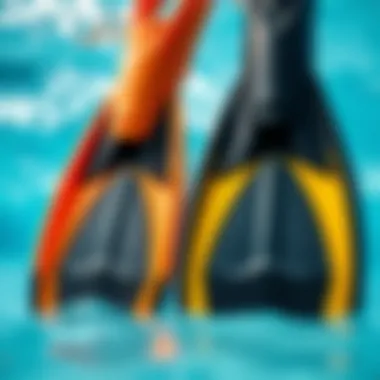

Moreover, adjustable straps can extend the lifespan of fins, as they provide flexibility for adjustments as feet swell with heat or fatigue. This characteristic is particularly important for competitive swimmers or those participating in lengthy training sessions.
It's clear that selecting the right fin isn't simply a matter of picking the most appealing design or randomly selecting a pair based on size. Instead, choosing the proper fin necessitates a thorough understanding of individual needs, from foot shape to fitting preference. This wise approach not only enhances comfort but also substantially boosts performance, turning the water into a more navigable space.
Impact of Fin Length and Width on Performance
Understanding how fin length and width affects performance is key to maximizing efficiency and enjoyment in the water. The dimensions of fins play a crucial role in the flow of water around the swimmer. Longer fins may offer increased propulsion but can lead to fatigue if not used properly. Conversely, shorter fins often provide better control, but might not yield the same speed. The balance between these aspects is essential for swimmers of all skill levels.
Curvature and Blade Shape
How Shape Affects Water Flow
The curvature and shape of fins are integral in determining how effectively a swimmer can move through water. When fins are designed with a wide blade, they can catch more water, resulting in greater propulsion. This feature is particularly beneficial for competitive swimmers who need every advantage they can get. Wider fins tend to create more drag, which can be a double-edged sword; while they provide power during the push phase, they may slow the swimmer down during recovery.
A notable characteristic of well-shaped fins is their hydrodynamic profile. Fins shaped like a hydrodynamic foil can reduce turbulence in the water, aiding in smoother movement. This is a popular choice among aquatics instructors seeking to enhance stroke efficiency in their students. The design greatly benefits those doing technical drills as they aid in maintaining a better body position in the water.
Choosing Blades for Specific Techniques
Choosing fins based on specific swimming techniques can notably influence performance. For instance, if a swimmer is focusing on developing endurance or practicing specific strokes, a fin with a longer blade can facilitate these objectives. Long-bladed fins feel powerful in the water, promoting longer strokes and providing good feedback during practice.
In contrast, for swimmers working on agility or turns, shorter blades may be more advantageous. The unique feature of these shorter fins is the quick response time they provide, which is critical in racing conditions. It’s not just a matter of what feels good; selecting fins tailored to the individual’s swimming style can unlock hidden potential, leading to marked improvements in performance.
Weight Distribution
Lightweight vs. Heavier Fins
When referring to lightweight versus heavier fins, the conversation often shifts to comfort and fatigue management. Lightweight fins are typically easier to maneuver, allowing swimmers to maintain quicker turnover rates and adapt to rapid changes in swim patterns. Particularly in training settings, these fins can enhance a swimmer's ability to focus on technique by alleviating excess strain.
On the flip side, heavier fins can provide resistance during practice, thus improving muscle strength and power output over time. They allow for a focused workout by promoting a stronger kick. However, due to their added mass, swimmers may experience fatigue sooner than with lighter counterparts, which can be detrimental during extended sessions.
Impact on Balance and Speed
The balance between speed and technique is pivotal in swimming. Fins that distribute weight correctly can enhance a swimmer’s stability in the water, allowing for better streamlined positions. This balance is not just about making it to the other side faster—it’s about achieving a smooth, uneventful glide through the water.
For instance, fins that are too short may sacrifice speed for improved balance, while oversize fins may disrupt a swimmer’s equilibrium. Understanding how specific fin sizes can affect balance and speed is instrumental in developing racing strategies. The unique feature of fins that achieve an optimal balance is the ability to aid a swimmer in maintaining speed without sacrificing stability, enhancing overall performance.
Ultimately, swimmers should emphasize the right fin length and width tailored to their personal style and swimming goals. Through informed fin selection, swimmers can effectively enhance their experience in the water.
Common Misconceptions about Swimming Fin Sizes
When it comes to understanding swimming fin sizes, several misconceptions can cloud judgment. This section aims to clarify some common myths surrounding swimming fins. A clear understanding can lead to improved performance and a more enjoyable experience in the water. By debunking these myths, swimmers can learn to choose fins that truly meet their needs and improve their aquatic skills.
Bigger Fins Equal Faster Swimming
Effect of Experience Level
Many believe that the larger the fin, the faster one will swim. This notion often stems from the allure of power and strength, leading individuals to think that bigger fins will provide a significant boost in propulsion. However, the effect of experience level plays a critical role in the actual benefits of fin size.
Novice swimmers might struggle with larger fins due to a lack of technique and overall body awareness. While they may generate more force, improper techniques can lead to wasted energy and slower speeds. For beginners, shorter and more manageable fins are often ideal. They allow for a focus on developing fundamental skills without being overwhelmed by excess resistance. This knowledge is crucial, as many might select size based on a desire for speed rather than suitability.
Limits of Power vs. Efficiency
The principle of power versus efficiency is pivotal in understanding fin size effects on swimming. Just having big, powerful fins does not guarantee better performance. In fact, larger fins can sometimes be counterproductive. It’s vital to find a balance between the two.
Efficiency home in on how well a swimmer can utilize their energy while propelling themselves through the water. A swimmer with a solid technique and appropriately sized fins can often outpace someone using larger fins with less efficient movement. This concept emphasizes that true success in swimming comes not merely from power, but from maximizing efficiency in every stroke.
In swimming, effectiveness is often more advantageous than raw power.
One Size Fits All
Variability Across Brands
One popular misconception is that swimming fins are indeed one-size-fits-all. This simply isn’t the case. Fins can vary greatly across different brands and even models within those brands. The variability across brands means that a size in one brand may not correlate with the same size in another.
For example, a size medium in TYR may feel very different from a medium in Speedo. Each brand adopts its own specific sizing charts, which makes trying on fins crucial before purchase. Failing to recognize this variability can lead to purchase mistakes and dissatisfaction. Thus, it’s essential to be aware that what fits one person perfectly may not work for someone else, not just in size but also in the feel and comfort of wearing them.
Importance of Personal Preference
Personal preference has a considerable impact on swimming fin selection. What feels comfortable to one person might feel restrictive to another. The importance of personal preference cannot be underestimated, especially when it comes to choosing fins. Factors like foot shape, sensitivity, and weight distribution can influence how a fin feels while swimming.
Understanding that everyone's experience is unique allows individuals to focus on what works best for their specific needs and swimming style. Testing different options before settling on a purchase often yields the best results, ensuring enhanced performance and enjoyment in the water.
Caring for Swimming Fins

Caring for swimming fins is crucial for ensuring that your equipment remains effective over time. Just like any piece of gear, proper maintenance extends the lifespan of fins, enhances performance, and provides comfort to the swimmer. Neglect can lead to deterioration, making even the best fins inadequate. This section delves into cleaning, maintenance, and replacement aspects to keep your swimming fins in tip-top shape.
Cleaning and Maintenance
Preventing Damage from Chlorine
Chlorine is a necessity in pools, but it can wreak havoc on swimming fins. Undoubtedly, one of the primary reasons for fin damage is prolonged exposure to chlorine. Over time, chlorine breaks down the material of fins, leading to cracks and deterioration. Regularly rinsing your fins with fresh water after use can significantly minimize this damage. This attention keeps the fins pliable and maintains their integrity, allowing you to swim efficiently.
A popular choice among swimmers is the use of specialized cleaning agents designed for swim gear. Though there’s some debate about their necessity, many swear by these products as they effectively combat chlorine's harmful effects. Just a gentle scrub with the right cleaner can make a world of difference for the material and the overall performance of the fins.
Storage Recommendations
How you store your fins is as vital as the cleaning process. Finishing off a swim only to toss your fins in a heap might lead to deformities or damage over time. Proper storage can enhance durability significantly. Ideally, fins should be stored in a cool, dry place, away from direct sunlight. Direct sunlight is a sneaky culprit that can lead fins to warp or become brittle.
One unique feature to consider is the use of a fin bag or case. This adds an extra layer of protection against physical damage from bumps and spills. Additionally, some fins can be quite large, and allowing them to lay flat prevents any bending or warping, preserving their shape and effectiveness for future swims.
Replacing Worn Fins
Signs of Wear and Tear
Recognizing the signs of wear and tear is critical for maintaining performance and safety. Look out for signs like cracks, fading colors, or a decrease in flexibility. If fins feel stiffer than usual, this loss of elasticity indicates that it may be time to reassess your equipment. Fishing for deals on fine fins doesn’t make sense if the existing ones can no longer perform well. Staying in tune with your gear can keep your performance at its peak.
It’s beneficial to keep a close eye on those details. Swimmers often find it surprising how minor damages can lead to significant performance issues. Thus, being proactive about identifying these signs ensures you are never caught off guard during a swim.
Choosing Replacement Options
When it comes to replacing worn fins, several factors come into play. One key characteristic to consider is the type of fin. Evaluating whether you want to stick with the same kind or explore different options can affect your swimming experience. Each type of fin caters to specific techniques and performance goals. Understanding your own swimming style can greatly influence this choice.
Moreover, don’t forget to consider the size and fit. Just like buying shoes, finding the right size for fins is necessary to avoid discomfort. Subtle differences in brand sizing can lead to poor experiences if one size was relied upon previously. Researching about the best replacement options from various brands is essential. Utilizing online reviews and discussing within swimming communities can help inform your decision on the ideal pair to invest in.
"The right pair of fins can be a game changer; it's about fitting your fins to your skill level and ambition!"
Overall, caring for swimming fins goes beyond mere cleaning. It integrates the entire lifecycle of the equipment, ensuring performance is optimized at every stage. By adhering to cleaning regimens, storage techniques, and recognizing when to replace equipment, you set yourself on a path for success in any aquatic endeavor.
Recommendations for Specific Water Activities
Choosing the right swimming fins is essential to maximizing performance and enjoyment in different aquatic settings. The recommendations below target various water activities, such as recreational swimming, competitive training, and underwater exploration. By paying attention to specific elements and characteristics related to each activity, water enthusiasts can make informed choices that enhance their experience, whether it’s a casual splash in the pool or serious laps in a competition.
Recreational Swimming
Best Fin Types for Casual Swimmers
When browsing fins for leisure swimming, consider short or medium-length fins. These fins are known for being user-friendly, helping casual swimmers maintain a natural kicking motion without feeling overwhelmed. A key characteristic of these fins is their lightweight design, which makes them less likely to cause fatigue during leisurely swims.
These fins not only help propel you forward but also can aid in improving your overall technique, without demanding too much from your muscles. One unique feature is that they typically have a broader blade surface, allowing for more surface area to push against the water. However, beware of overly buoyant fins, as they could alter your natural body position in the water, making it less comfortable for a starter.
Enhancing Leisure Activities
Fins can turn a routine pool session into an invigorating experience. They can be particularly beneficial when engaging in exercises such as water aerobics or recreational snorkeling. A significant aspect of enhancing leisure activities is the ability to vary your swimming style. With fins, swimmers can experiment with different strokes and develop strength in their legs without the standard resistance of water.
This can be particularly advantageous for those looking to build stamina while enjoying the gentle laps. The flexibility to try various techniques can keep the swim interesting, though it may come with a trade-off. Some fins may cause your feet to feel excessively fatigued when used for extended periods.
Competitive Swimming
Fins for Training Purposes
In the realm of competitive swimming, the right fins can make a notable difference during training. Swimmers often lift their performance by incorporating longer fins designed specifically for speed and power. The distinctive characteristic of these fins is their longer blade, which is engineered to provide increased thrust while also training the leg muscles effectively.
As swimmers kick with these fins, they build muscle memory and strength required for racing. Moreover, longer fins can help improve the kick's amplitude, allowing for a stronger propulsion. However, newbies should tread carefully; utilizing long fins can inadvertently teach improper kicking techniques if not paired with a coach.
Optimal Choices for Races
When it comes to race day, the selection of fins can be a game changer. Swimmers often prefer sleek, competitive fins for last-minute preparation. Their streamlined design minimizes drag while maximizing speed, allowing swimmers to channel their energy efficiently. A beneficial feature of these racing fins is their compactness, which maintains a natural foot positioning while ensuring minimal resistance.
Although racing fins can be extremely advantageous, they also come with caveats. Only skilled swimmers should opt for these fins because improper use might hinder rather than help performance, particularly when the focus is more on sprinting.
Underwater Activities
Snorkeling and Scuba Diving
For snorkeling and scuba diving, fins designed for propulsion and maneuverability are essential. The ideal fins for these activities are often characterized by their long blades and flexible materials. The unique feature here is their ability to glide through water with minimal effort, allowing divers or snorkelers to conserve energy over lengthy underwater excursions.
Additionally, many diving fins are equipped with adjustable straps for a snug fit, rendering them useful and comfortable during extended wear. However, extra caution should be advised, as bulky fins can make sharp movements cumbersome, which could potentially pose a challenge when navigating through coral reefs or rocky terrains.
Considerations for Safety
An often overlooked yet crucial aspect while using fins for underwater activities is safety. Ensuring that fins fit properly and are worn correctly can make all the difference. Key considerations here include selecting fins based on foot size and water environment. For instance, it is wise to opt for full-foot fins in warmer waters, while open-heel fins can be used with booties in colder conditions.
Remember, safety is paramount. Wearing fins that are too tight can result in cramps or injuries, while too-loose fins can come off easily, leading to potentially dangerous situations under water.
By understanding the recommendations tailored for specific water activities, swimmers and divers can enhance their experiences significantly, whether they are at the pool for fun or exploring the depths of an ocean.