
Mastering Wax Removal: Techniques and Essential Tips
Intro
Wax removal can be a chore, but it is also an essential part of various activities, especially for enthusiasts involved in watersports. The thrill of gliding across the water can be dampened by the presence of wax build-up on your gear. Trust me, no one wants to be fighting a sticky board or kayak when they should be out enjoying the waves. This article aims to highlight different techniques and tips that can help streamline the wax removal process, ensuring that both beginners and seasoned pros can keep their equipment in top shape.
The journey into mastering wax removal starts not just with the right tools, but also an understanding of the surfaces we’re dealing with. From surfboards to skis, each has its own quirks that require specific attention. Here we’ll dive into practical methods, safety considerations, and choose the right gear to make that process more effective than ever.
Understanding Wax Applications
When it comes to maximizing performance in watersports, understanding the various wax applications is crucial. Selecting the right wax not only improves grip but also impacts the overall experience on the water. It's like having the right shoes for a particular dance; the wrong choice can lead to slipping and sliding, which is less than ideal when you're in the middle of a wave or paddling against the current.
Diving into wax applications involves recognizing different types of waxes and the surfaces they’re meant for. Each type of wax offers unique characteristics that cater to specific activities and environmental conditions. This knowledge arms enthusiasts with the tools to ensure their gear is always in peak condition.
Types of Wax
Surf Wax
Surf wax is specifically formulated for surfboards to provide essential grip on the slick surface. It's like the trusty handhold that ensures you don’t wipe out mid-ride. The most prominent characteristic of surf wax is its stickiness, which enhances traction. This type of wax usually comes in different temperatures, accounting for the varying weather conditions surfers face. For instance, a harder wax might work better in warmer climates while a softer wax is better suited for cooler waters.
One significant advantage of surf wax is its application simplicity, but it does have its downsides; over time, it can build up, making removal necessary to maintain performance.
Paddleboard Wax
Paddleboard wax plays a similar role on paddleboards as surf wax does on surfboards. It's vital for maintaining grip in wet conditions, particularly when standing for long periods. Paddleboard wax is designed to be slightly more resilient than surf wax, handling the extra weight and movement of paddling.
The beauty of paddleboard wax lies in its longevity and effectiveness. However, enthusiasts should be wary that, like surf wax, it can lead to a build-up of residue if not regularly maintained. Thus, routine checks are necessary to keep everything shipshape.
Kayak Maintenance Wax
Finally, kayak maintenance wax isn’t typically applied for grip; rather, it serves to protect the kayak’s surface from wear and tear. This type of wax presents a key character—its protective qualities that safeguard against scratches and damage from environmental elements.
A unique feature of kayak maintenance wax is its ability to create a barrier against UV rays, helping to preserve the kayak’s color and integrity over time, which is a huge plus when you've dropped serious cash on your gear. While it helps prolong the life of your kayak, its necessity tends to be overlooked by novice kayakers.
Common Surfaces for Wax Application
Surfboards
Surfboards are perhaps the most well-known surfaces that require wax. The investment in a good board calls for proper maintenance to prolong its life and usability. Surfboards have a smooth, slick surface which, without wax, would be akin to trying to ride a fish—it just wouldn’t work. The right wax provides not just grip but also protection against the elements, making it a must-have for any serious surfer.
From a practical standpoint, the maintenance of surfboards through waxing leads to far greater performance on the water, resulting in better maneuverability and control, which can make all the difference in those exciting moments on the waves.
Paddleboards
Paddleboards, with their larger surfaces, require appropriate wax to enhance grip. They allow for a larger area of application, which can be both a boon and a burden. Paddleboard wax helps prevent slips, especially when standing for extended periods and engaging in dynamic paddling.
With paddleboards, the primary consideration is maintaining the balance between applying enough wax for grip and avoiding excessive build-up that can hinder performance. This balance is crucial for the overall kayaking experience.
Kayaks
Kayaks also benefit from regular wax applications. Though the focus isn't on grip, using the right maintenance wax helps protect the kayak's body from damage and deterioration. Kayaks often spend long periods exposed to water and sunlight, and the wax acts as a shield against these elements. The key here is to understand that while you might not use wax for grip as in other sports, the protective benefits still play a vital role in keeping your gear in top shape. Regular applications help ensure your kayak remains functional and visually appealing over time.
"A well-maintained craft is a trustworthy craft."
For more detailed information on water sports or wax types, you may visit: Wikipedia, Britannica, Reddit, and relevant domain .gov.
Importance of Wax Maintenance
Maintaining your wax application is more than just a nice-to-have; it’s essential for keeping your equipment in top shape. Whether you're waxing your surfboard, paddleboard, or kayak, proper wax maintenance carries significant weight in optimizing performance and ensuring longevity. Here, we’ll explore why taking the time to maintain your wax job should be a priority.
Performance Impact
Enhanced grip
A well-maintained wax surface provides enhanced grip, allowing athletes to maintain better control during their activities. This critical element keeps the traction consistent, which is vital when catching waves or maneuvering on water. When grip is compromised, it becomes a slippery slope—literally. Without the right amount of wax, you risk losing your footing, leading to falls that could be easily avoided.
When discussing grip, one can't ignore the unique feature of how specific wax formulas react under different conditions. For example, cold water waxes remain softer and more tacky, while warm water waxes offer a firmer grip. The improved grip contributes significantly to overall safety and performance, making it a solid choice for enthusiasts.
Optimized performance
Equally important, optimized performance ties directly into how effectively a waxed surface interacts with water. An optimized wax job reduces friction, allowing for a smoother glide across the surface. This feedback loop enhances an athlete's overall experience, improving their time on the water.
The key characteristic here is consistency. An optimized surface translates to predictability—something that watersport enthusiasts crave. However, it's a double-edged sword; if the wax is not properly maintained, performance can plummet. This highlights why regular inspection and maintenance should figure heavily in your routine.
Equipment Longevity
Prevention of damage
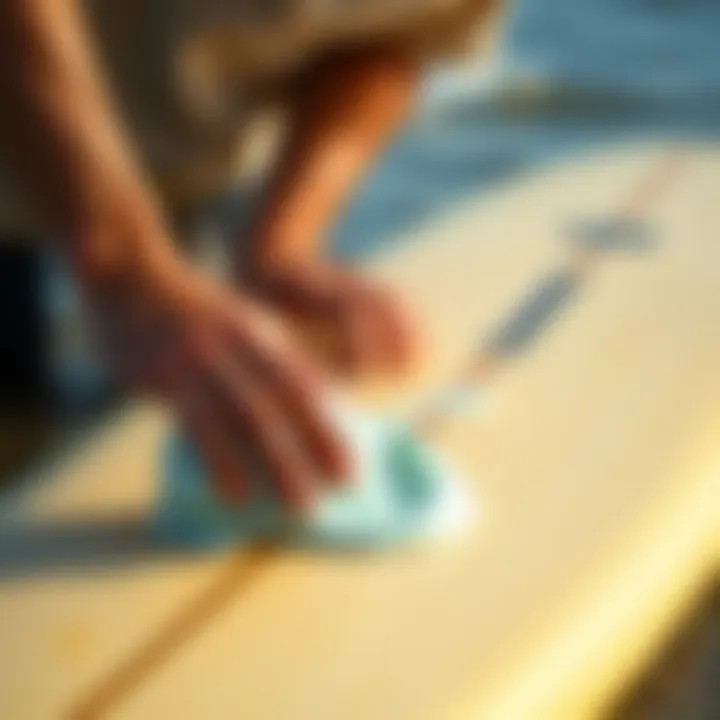
Wax maintenance isn't just about performance; it directly ties into the longevity of your equipment. Regular waxing and the removal of old wax prevents damage that can accrue over time. For instance, accumulated wax can lead to imperfections or blemishes that penetrate the board’s surface. This aspect is critical for those looking to extend the life of their gear.
The key here is simple: earlier efforts in maintenance translate to fewer repair costs in the long run. Staying ahead of potential damage reinforces the idea that taking care of your equipment is a worthwhile investment.
Cost-effectiveness
Lastly, there’s the undeniable notion of cost-effectiveness in proper wax maintenance. Keeping your surfaces stripped clean of old wax can save you money on repairs and replacements. Rather than constantly shelling out bills for new gear due to neglect, regular upkeep means that your gear can last longer, ultimately stretching your budget.
Moreover, investing in quality wax removers or scrapers may appear as an upfront expense, but the payoff kicks in when your equipment withstands wear and tear longer. In essence, making smart choices in wax maintenance can lead you toward significant cost savings.
Proper wax maintenance can go a long way in enhancing not just your performance, but also the longevity and overall value of your gear.
Identifying Wax Build-up
Identifying wax build-up is crucial for maintaining equipment performance and longevity. Over time, wax can accumulate and impede its effectiveness, impacting your experience in watersports. This section helps to recognize the signs of excess wax, enhancing your ability to sustain a well-kept surface on your gear.
Visual Indicators
Discoloration
Discoloration is one of the first signs that wax has built up on your surface. You might notice patches that look dull or change color, which implies that wax accumulation has taken its toll. This change in appearance isn’t just for aesthetics; it can signify a loss of effectiveness in grip or performance. If you spot any bizarre hues or dull patches, it’s a clarion call to assess the situation.
Discoloration serves as a beneficial guide in this article. Recognizing it can save you from the risks associated with declined traction. When it goes unnoticed, it can lead you to inadequate performance in water activities, ultimately reducing enjoyment and safety. Understanding discoloration connects you directly with the practical aspects of maintaining your equipment, sharpening your readiness before hitting the waves.
Uneven texture
Another telltale sign of wax build-up is an uneven texture across the surface. You may feel bumps or ridges when you run your hand over the area, which can be a game-changer for your water performance. If your paddleboard or kayak feels lumpy, intertwined with layers of wax, it's high time for some serious cleaning.
The unique feature of uneven texture is that it can compromise both grip and maneuverability, leading to a challenging experience while out on the water. Being aware of texture changes is essential, as it also contributes toward restoring balance and enhancing your gear's potential. If you’re diligent in looking for this aspect, you will find it serves as a great indicator of when intervention is required.
Performance Symptoms
Loss of grip
A significant telltale sign of wax build-up is the feeling of loss of grip when paddling or surfing. If you find yourself slipping or sliding more than usual, it could indicate that the wax layers have packed too thick. This condition doesn't just limit performance; it can lead to unwanted accidents or falls.
Recognizing loss of grip provides immediate feedback about your equipment’s readiness. A great choice in preserving your performance, being aware of this symptom can redirect your approach towards regular maintenance. This emphasis on grip can transform not only how you feel on the water but also enhance your skills as you gain confidence.
Decreased maneuverability
If you start noticing your paddleboard or kayak feels sluggish or harder to control, decreased maneuverability may be at play. When wax builds up, it can leave a slick film that obstructs your ability to change direction effectively. Feeling bogged down instead of gliding gracefully through the water is frustrating.
Decreased maneuverability is critical for anyone invested in watersports. Your ability to navigate quickly and efficiently often defines your overall enjoyment of an activity. Acknowledging this symptom can prompt timely maintenance, ensuring that you remain agile and engaged with your surroundings. Remember, staying on top of maneuverability will keep you at the forefront of your game.
Essential Tools for Wax Removal
Using the right tools when removing wax is not just a preference; it's essential for achieving a clean result while preserving the integrity of your equipment. The selected tools can make or break the process, influencing both the ease of removal and the safety of the surface you’re working on. With the right implements, you can tackle any wax job, ensuring optimal performance for your surfboards, paddleboards, or kayaks. In this section, we’ll dive into the different categories of tools that will serve you well in the wax removal process.
Scrapers and Tools
Plastic scrapers
Plastic scrapers are often the first line of defense when it comes to wax removal. Their primary advantage lies in their gentleness, allowing you to scrape away wax without risking gouges or scratches on delicate surfaces. Unlike metal, plastic tools don’t have sharp edges that could lead to unwanted damage. The flexibility of a plastic scraper enables it to bend around curves and contours, seamlessly gliding over the surface. Despite being seemingly basic, their invaluable characteristic of being lightweight means they can be carried easily to any watering location.
However, they do come with certain drawbacks. Over time and with enough force, plastic scrapers can wear down or break, especially when tackling denser wax applications. Thus, using a bit of care and caution is prudent when selecting a plastic scraper for heavier tasks.
Metal scrapers
On the flip side, metal scrapers bring a different approach to wax removal. Renowned for their sturdiness, metal tools can handle significant amounts of wax without bending or breaking. Their rigid nature allows for efficient removal, especially when dealing with an excessive build-up of wax. A characteristic feature of metal scrapers is their sharp edges which—when used correctly—can accomplish in one stroke what might take several passes with a plastic one.
However, this precision comes with a cautionary note. The very aspect that makes metal scrapers effective can also lead to scratches and abrasions on the surface being cleaned. Enthusiasts need to tread lightly, especially on valued equipment. For someone who knows how to wield a metal scraper properly, it becomes a powerful ally in the wax removal battle.
Cleaning Solutions
Solvent-based cleaners
When it comes to dissolving wax, solvent-based cleaners truly shine. These products are scientifically formulated to break down the chemical bonds of wax, making removal far simpler and more effective. A notable aspect of these cleaners is their speed; a quick application can often lift heavy wax residues almost instantaneously. For users who demand efficiency, solvent-based cleaners are a game-changer.
Despite their benefits, caution is warranted. Many solvent-based products come with strong chemical compositions that pose a risk to both the environment and user health. Proper ventilation during use is crucial, as is avoiding direct skin contact. Being aware of safety precautions will enable you to benefit from these cleaners while minimizing any negative repercussions.
Natural alternatives
For those preferring a more eco-friendly route, natural alternatives offer a viable path. Ingredients like vinegar and baking soda can provide effective solutions without subjecting the user to harsh chemicals. Natural alternatives typically carry less risk regarding inhalation and skin irritation. Additionally, they’re generally safe to use around pets and children, an important consideration for many.
However, while they might be gentler on surfaces and users, the efficacy may not always match that of their solvent counterparts. More stubborn wax may resist natural alternatives, requiring a little more elbow grease for a satisfactory result. Ultimately, weighing the benefits against the potential downsides will help you decide whether to go mainstream or opt for Mother Nature’s remedies.


Step-by-Step Wax Removal Process
This section digs into the nitty-gritty of wax removal, guiding your through a step-by-step approach that not only makes the task easier but ensures that your equipment continues to perform at its peak. Knowing how to properly remove wax can significantly impact your equipment's longevity and performance, helping you avoid unnecessary replacements.
Preparing the Surface
Gathering tools
Gathering the right tools is your first step in the wax removal journey. It’s essential to have a toolkit that meets your needs and facilitates efficient removal. Common tools include plastic scrapers, metal scrapers, and cleaning solutions.
The standout feature of proper scrapers is their material; plastic scrapers tend to be softer and less likely to scratch the surface while metal scrapers can be more efficient, albeit riskier. Depending on the wax type and the condition of your surface, one might be better suited than another. Investing a bit of thought into which tools to use can save you time and effort.
Selecting the workspace
The workspace should be chosen carefully, as it influences the entire process of wax removal. Ideally, you want to choose an environment that's well-ventilated and spacious enough to give you room to maneuver without feeling cramped. An open garage or patio often fits the bill.
A key characteristic of a good workspace is accessibility to natural light, so you can see all those little details and avoid missing stubborn wax patches. However, if your workspace is too exposed to the elements, dust and wind could complicate your removal. It’s a balance—the right workspace can make the task less of a chore and more of a straightforward job.
Removing the Wax
Applying heat
Applying heat to the waxed surface can be a game changer. The heat softens the wax, allowing for easier removal. Many enthusiasts use a heat gun or a hair dryer to coax the wax into a more pliable state. The effective use of heat is beneficial because it reduces the risk of damaging the surface beneath.
But be careful—it’s important to apply heat evenly and not to overdo it. A key characteristic of this approach is moderation; too much heat can warp the material beneath the wax. Knowing when to stop and start can provide a smooth experience versus a sloppy one.
Scraping off wax
Once the wax is sufficiently warmed, it’s time to scrape it off. This step requires a bit of finesse; holding the scraper at the right angle and applying the right amount of pressure are vital. The smoother the scraping, the cleaner the result.
This is where a good plastic scraper shines. It’s flexible enough to get into the crevices but sturdy enough to lift up the wax without risking harm to the surface. On the flip side, a metal scraper might do the job quicker, yet comes with the risk of scratches. Choosing wisely based on the surface condition can be the difference between a perfect finish or noticeable damage.
Cleaning and Finishing Touches
Applying cleaner
After scraping, applying a cleaner designed specifically for wax residues helps to lift any leftover bits. This step ensures that your surface is entirely clean and ready for use.
The standout feature of targeted wax cleaners is that they often contain solvents that break down any stubborn particles. This is a beneficial practice because it leaves no room for build-up to sneak back in. Ensure to follow the manufacturer’s instructions for application, as some may require rinsing or wiping away residue after use.
Final inspection
Finally, you can't skip the final inspection. This step is just as important as all the others. Look closely to see if any residues linger, and ensure the surface is ready for a new layer of wax if needed.
The unique feature of a thorough inspection is that it helps to catch problems before they escalate—like discovering minor scratches or imperfections that can be rectified easily. Missing this step can lead to subpar performance, so take a little extra time here to ensure every detail is up to par.
Prioritize each step from preparation to inspection for optimal results. By being thorough, even your most challenging removal tasks will become manageable.
Safety Considerations in Wax Removal
When it comes to removing wax, safety should never take a back seat. The process can involve heat sources, chemicals, and sharp tools, all of which pose various hazards. Engaging in wax removal without proper precautions places both the individual and the equipment at risk. Thus, understanding and implementing safety measures is crucial to avoid any undesirable outcomes while fostering an efficient work environment.
Protective Gear
Gloves
Wearing gloves during wax removal is a non-negotiable aspect of safety. Primarily, gloves protect against abrasions and chemicals in cleaning products. Rubber gloves are quite the go-to; they’re not only sturdy but also resistant to many substances. This makes them a beneficial choice as they prevent skin irritation or potential allergic reactions. A unique feature of rubber gloves is their flexibility, which allows for better dexterity. However, one must always ensure that they fit well; a loose glove can be counterproductive, possibly leading to accidents with scrapers or heat sources.
Eye Protection
Eye protection is equally crucial in this endeavor. Using goggles or safety glasses shields the eyes from splashes of cleaning solutions or debris from scraping wax. A notable perk of eye protection is the wide field of vision they offer. Hence, they enable individuals to maintain awareness of their surroundings while working. The only downside is that some styles may fog up or shift from one’s eye comfortably, potentially distracting when focus is paramount. Tinting may also be an issue in bright environments, making certain types less versatile.
Ventilation and Environment
Working in Open Spaces
When removing wax, working in an open space can significantly enhance safety. An area with good airflow reduces the risk of inhalation of vapors from cleaners, which can be hazardous. Additionally, it minimizes the chance of any toxic chemicals lingering in a confined space. A terminal benefit is that, in an outdoor setting, any potential mess can be easily cleaned up without worry about damage to walls or flooring. However, wind can play tricks; a sudden gust might send wax debris flying. Hence, be mindful of the surroundings.
Avoiding Flammable Materials
Avoiding flammable materials is a cardinal rule during the wax removal process. Many solvents used in cleaners can catch fire if exposed to flames or even sparks from heated tools. Keeping a workspace clear of such items not only protects the individual but also keeps the surrounding areas safer. This precaution can save one from catastrophic situations, ensuring that wax removal remains a straightforward task. On the downside, some might find it tedious to constantly check for potential hazards in their workspace. Nevertheless, practicing vigilance pays dividends in the long run.
"Safety is not just a policy, it’s a way of life."
By integrating these safety considerations, the wax removal process not only becomes more efficient but also significantly lowers risks, fostering a more productive and secure environment.


Troubleshooting Common Issues
When it comes to managing the wax on your sports gear, encountering a few hiccups along the way isn't uncommon. Troubleshooting common issues can help maintain performance and prolong the lifespan of your equipment. In this section, we'll tackle a couple of frequent concerns that enthusiasts often face: persistent wax residue and potential damage to surfaces. Both issues, if not addressed diligently, can lead to a decline in your gear's efficiency and longevity, having a ripple effect on your overall enjoyment in the water.
Persistent Wax Residue
Persistent wax residue can be a real thorn in the side when cleaning your equipment. It often occurs when wax hasn't been removed properly during previous maintenance sessions. This leftover material can significantly affect how your gear performs, leading to slips and loss of grip.
Proper application of heat
The proper application of heat is crucial in the wax removal circle. Heat helps to soften the wax, making it easier to scrape off. This technique isn't just about blasting heat indiscriminately; it's about finesse. By applying the heat evenly and moderately, you ensure that the wax melts uniformly without damaging the underlying surface.
A popular characteristic of this method is that it can save both time and effort, allowing you to get a clean surface without aggressive scraping. However, be careful: too much heat can warp some materials, leading to issues you want to avoid.
Using appropriate cleaners
Utilizing the right cleaners is just as important as the heat application. Different types of wax require different cleaning solutions. For example, solvent-based cleaners often work well with strong wax residues, while natural alternatives might be more suitable for safer applications on delicate surfaces. The key advantage of using the proper cleaner is not only efficiency but also the protection it offers to your gear. Opting for a cleaner specifically designed for wax removal is generally a good idea, but it’s also vital to be mindful of the unique chemical compositions. Some can be harmful to certain materials, so checking compatibility is always wise.
Damage to Surfaces
On the flip side, improper techniques can sometimes damage the very surfaces we’re trying to care for. Scraping techniques and tool choices are pivotal in ensuring that the gear remains intact after wax removal.
Ensuring proper scraping techniques
Ensuring proper scraping techniques is vital in preventing surface damage. You want to avoid using too much pressure or the wrong angle while scraping. A gentle approach paired with the right tools, like plastics rather than metals, can make all the difference. The hallmark of effective scraping is precision, so taking it slow is a recommended strategy. Incorrect scraping can cause scratches or gouges, decreasing your gear's functionality and aesthetic appeal.
Choosing compatible tools
Choosing compatible tools for wax removal can sometimes feel like a gamble. Using the right tool is essential, whether a plastic scraper or a specific brush. Each tool has unique features designed for different levels of wax adherence and surface types. For instance, one tool might be perfect for your surfboard but too harsh for a kayak. This compatibility can either prolong the life of your equipment or lead to its premature damage.
Using the wrong tool may result in the very problems you were trying to avoid, including unsightly scratches and reduced performance.
The key takeaway here is that effective troubleshooting goes a long way. By identifying these common issues early on and applying the right techniques, you can preserve the quality of your gear and ensure your time on the water is as enjoyable as possible.
Maintaining a Wax-Free Surface
Maintaining a wax-free surface is essential for any enthusiast who wishes to keep their equipment in top-notch shape and ensure optimal performance. The accumulation of wax can lead to a multitude of issues, including decreased grip, compromised maneuverability, and ultimately damage to expensive gear. A diligent maintenance regimen not only enhances the user experience but also extends the lifespan of the equipment. It’s a bit like keeping a well-tuned engine; regular upkeep prevents larger, more costly problems down the road.
Regular Inspections
Scheduled Maintenance
Regular inspections, or scheduled maintenance, are a proactive measure for ensuring that wax doesn’t become a hindrance to your adventures. By setting specific times to check your equipment, you ensure that minor wax build-up does not escalate into a major problem. This characteristic of scheduled maintenance holds great importance, as it cultivates a habit of vigilance.
One unique feature of this approach is setting a calendar reminder or an alert on your phone after every few sessions. It’s a practical way to keep yourself accountable without adding much hassle to your routine. This strategy is definitely beneficial; the earlier you catch any potential build-up, the easier the removal process is. However, some might argue that it requires an extra step of commitment, which can seem overwhelming at times, especially for those who might just want to enjoy their time on the water.
Observing Environmental Factors
Observing environmental factors plays a crucial role in maintaining a wax-free surface. Conditions such as humidity, temperature, and exposure to sunlight can all influence how quickly wax accumulates on your gear. For instance, areas with high humidity may result in more moisture absorption by the wax, making it harder to remove later. This aspect is very important as it directly correlates with the choice of equipment and its performance.
This consideration is beneficial; when you understand how these factors influence your gear, you can adjust your maintenance routine accordingly. Another unique feature of this practice is being mindful of the local environment—like storing your paddleboard in a shaded area or rinsing it off after a day on the water. The downside is that it might involve constant awareness of the conditions around you—something not all outdoor enthusiasts relish, especially during spontaneous outings.
Alternative Products
Waxes with Easier Removal
A choice that many are making nowadays is to opt for waxes that promise easier removal. These types of products often utilize modern formulae that break down and lift off much more cleanly compared to traditional waxes. This feature greatly contributes to overall ease when it comes time for maintenance.
The key characteristic of these waxes is their formulation; often, they include substances that help prevent build-up or allow for quick removal with simple methods. This makes them popular among enthusiasts who might not have time for an elaborate waxing routine. While they can sometimes be more expensive, their convenience often outweighs the additional cost, making them a smart investment for those wanting to make life easier on the water.
Substitutes for Specific Activities
There are times when traditional wax doesn't quite cut it, especially if you're engaging in specialized activities like racing or freestyle. Substitutes for those specific activities are often tailored to perform better under particular conditions. This characteristic makes them highly valuable for those who are serious about their craft.
One unique facet of these substitutes is that they cater to various nuances; like lighter wax for high-speed activities that ensures less drag or a more robust option for heavy-impact sports. While the immediacy and specificity of substitutes afford performance boosts, they can also add to the complexity of equipment maintenance by introducing a plethora of choices. Ultimately, understanding your specific needs can greatly simplify the decision-making process.
"Consistency is key! Regular inspections can save your gear from a world of hurt. Stay ahead of the game."
In summary, maintaining a wax-free surface is not just about being vigilant; a combination of regular inspections and thoughtful choices in products can lead to a seamless experience on the water. Enthusiasts who embrace these approaches stand to enjoy their time without the nagging worry of equipment failure due to wax build-up.
Epilogue
In summation, understanding the nuances of wax removal is paramount for anyone looking to enhance their experience in watersports. This article has covered the significance not only from a performance standpoint but also how critical it is for the longevity of your equipment. A clean, wax-free surface leads to a better grip, which is vital for maneuverability when surfing, kayaking, or paddleboarding. Frequent maintenance can save both time and money, preventing potential damage that comes with neglect.
Recognizing the buildup of wax and effectively managing its removal impacts how equipment performs in the water. Practicing the techniques discussed ensures that enthusiasts are always ready to hit the waves without any hitch.
Summary of Key Points
- Understanding wax applications: Different types of wax are suited for specific surfaces, such as surfboards or paddleboards, and knowing the right kind is essential.
- Importance of maintenance: Keeping your gear clean not only impacts performance but also extends its lifespan. Regular checks can help catch issues early, saving costs in repairs.
- Effective removal techniques: Knowing how to properly remove wax with suitable tools and techniques can prevent damage to the surface and promote better performance.
- Safety first: Utilizing proper protective gear and ensuring well-ventilated spaces during the process can protect against health hazards.
- Troubleshooting: Being able to identify and fix common issues can make a significant difference in maintaining your wax-free surface.
Future Considerations for Wax Techniques
As wax technology continues to evolve, there are exciting possibilities on the horizon. Manufacturers are researching waxes that not only offer superior grip but also boast easier removal characteristics, suggesting that future products may lessen the labor involved in maintenance. Environmental considerations are also pushing towards more sustainable options, reducing the environmental impact of wax residues in nature.
Enthusiasts should stay tuned to trends in the industry for alternative products that align with personal values and performance needs. Regular participation in forums or groups on platforms like reddit.com or facebook.com can also help share insights on innovations in wax removal techniques. Exploring new methods and products could give individuals an edge in both performance and sustainability.
By understanding the foundational elements addressed in this guide, individuals can continue to refine their skills in wax removal, ensuring optimal conditions for their favorite sports.