Exploring the Intricacies of Water Hydrofoil Boards


Intro
Water hydrofoil boards are quickly carving out a niche for themselves in the magnificent landscape of watersports. These innovative boards, equipped with an underwater wing, enable riders to skim across the surface of the water, providing a unique sensation akin to flying. As more and more individuals are drawn into this exhilarating activity, understanding the core techniques, safety practices, and gear essentials becomes paramount. Whether you’re a seasoned rider or someone curious about trying hydrophoiling for the first time, this article aims to illuminate the pivotal aspects of this sport.
At the forefront of these discussions is the understanding of essential techniques that contribute not only to enjoyment but also to safety in the water. Knowing how to maneuver properly and recognize key safety practices can make all the difference.
Essential Techniques
Paddling Techniques
Hydrofoiling isn’t just about gliding. It’s about mastering techniques that enhance performance and safety. When it comes to paddling on hydrofoil boards, a few fundamental aspects should be taken into consideration:
- Body Positioning: Aligning your body correctly is key. Stand with your feet shoulder-width apart, knees slightly bent, and center your weight over the board. This stance not only aids in balance but allows for efficient control over the foil.
- Proper Paddling Motion: Using long, strong strokes can propel you faster. It’s vital to keep your paddle near the board, moving in a rhythmic motion rather than a hurried thrust. This technique often proves more effective for getting to speed and maintaining stability in choppy waters.
- Foil Understanding: Before you even get on the board, knowing how your hydrofoil works is crucial. The hydrofoil lifts the board as speed increases, but understanding how it behaves at different speeds helps riders make necessary adjustments. Higher speeds yield greater lift, which can lead to a thrilling ride but also poses the risk of loss of control if not managed well.
Safety Practices
Safety is a paramount consideration when enjoying hydrofoiling. Fortunately, with the right precautions, it is possible to mitigate risks:
"An ounce of prevention is worth a pound of cure."
- Wear Proper Gear: Make sure you are outfitted with a high-quality life jacket specifically designed for watersports. Helmets are advisable, especially for beginners, to protect against falls.
- Learn to Fall Safely: Falls are an inherent part of watersports. Training yourself to fall away from the board can help reduce injuries.
- Choose Safe Locations: Opt for areas designated for watersports. Steer clear of crowded beaches and always be wary of obstacles like buoys, boats, or rocks.
- Check Weather Conditions: Always monitor local weather. Wind and wave conditions change rapidly, and making informed decisions can enhance your safety on the water.
Taking these simple yet effective steps can lead to a much safer and more enjoyable hydrofoiling experience.
Gear Recommendations
Equipment Essentials
When venturing into hydrofoiling, having the right equipment is half the battle won. Here's a look into what should be part of your hydrofoil kit:
- Hydrofoil Board: This is your primary equipment. Choose one that aligns with your skill level and physical dimensions.
- Foil Setup: The foil consists of the mast, front wing, and rear wing. Each component has specific sizes and materials tailored for different riding styles.
- Paddle: An adjustable paddle is ideal. It should be lightweight yet sturdy enough to handle the rigors of paddling.
Choosing the Right Gear
Picking the right gear may seem mundane, but it's crucial for performance and safety. To make an informed decision:
- Research Brands: Some brands such as Naish and Lift have built a reputation for quality hydrofoils. Explore reviews from other riders and evaluate what works best for you.
- Fit and Comfort: Ensure that your board feels natural underfoot. An ill-fitted board can hinder your progress and enjoyment significantly.
- Budget Considerations: While high-quality gear can be an investment, remember to balance cost with functionality. Sometimes, less expensive models serve beginners better, helping them learn before scaling up.
This dive into essential techniques and gear recommendations aims to equip you with a solid foundation. With this knowledge in hand, you are better prepared to navigate the thrilling world of hydrofoiling.
Foreword to Hydrofoil Boards
Hydrofoil boards have emerged as a groundbreaking advancement in watersports, capturing both the interest of thrill-seekers and the curiosity of recreational surfers. Unlike traditional water boards, these boards allow riders to glide above the water's surface, offering a unique experience that combines speed and efficiency with the joy of riding. Understanding hydrofoil boards is essential, especially for those looking to delve into an exciting niche of aquatic activities.
Definition and Concept
At their core, hydrofoil boards consist of a board attached to a hydrofoil, which is a fin-like structure submerged beneath the water. When the rider gains sufficient speed, the lift generated by the hydrofoil elevates the board above the water, drastically reducing drag. This phenomenon creates a sensation akin to flying over waves, which is unlike any other watersport experience. The mechanics are straightforward yet impressive: as speed increases, the angle of the hydrofoil adjusts, optimizing lift and balance.
Understanding this definition allows potential enthusiasts to grasp what differentiates hydrofoil boards from other forms of watercraft. These boards show a versatile range, as they can be used for kiteboarding, surfing, or paddleboarding, catering to various styles and skill levels.
History and Evolution
The journey of hydrofoil boards isn’t a recent tale; it stretches back decades. The concept took form in the early 1900s with inventors like Alexander Graham Bell experimenting with hydrofoils in marine vehicles. However, it wasn't until the 1960s that the first hydrofoiling surfboards appeared, thanks to the creativity of enthusiasts eager to enhance their surfing experience.
Fast forward to today, hydrofoiling has genuinely exploded in popularity. The introduction of lightweight materials like carbon fiber and aerospace engineering principles has made modern hydrofoil boards more accessible and efficient. Once considered niche domain, hydrofoiling has steadily entered mainstream watersports culture, with competitions sprouting up worldwide and communities forming around the thrill of flying above water.
With a backdrop of innovation and evolution, hydrofoil boards present a compelling alternative to regular boards, merging technological advancement with the age-old pursuit of riding waves. They not only embody excitement but also highlight how watersports are continuously evolving.
"Hydrofoiling represents a fusion of technology and nature, giving riders a new perspective on water sports."
For those who have yet to try it, the world of hydrofoil boards may seem daunting, but it offers compelling rewards. As our exploration of this topic unfolds, we will dive deeper into various aspects—design concepts, functionality, advantages, safety measures, and the thriving future of hydrofoiling.
Hydrofoil Board Design
The design of hydrofoil boards plays a pivotal role in how they perform on the water. Every element of the board contributes to its effectiveness, handling, and overall rider experience. Understanding the intricacies of hydrofoil board design can help enthusiasts choose the right equipment for their needs, whether they're an amateur eager to learn or a seasoned rider looking to upgrade their gear. Not only does a well-designed board enhance performance, but it also influences the safety and comfort of the riding experience.
Key Components
When dissecting hydrofoil board design, attention quickly turns to its key components. Each part, from the board itself to the foil and fin, has specific roles.
- The Board: The surface where the rider stands must be sturdy yet lightweight, offering a balance of durability and portability.
- The Foil: Comprising a mast, wings, and fuselage, the foil is essential for generating lift. The wings determine how quickly the board can rise above the water and how smoothly it glides.
- The Fins: These help with stability and tracking through water. The size and shape of the fins can drastically affect maneuverability and control.
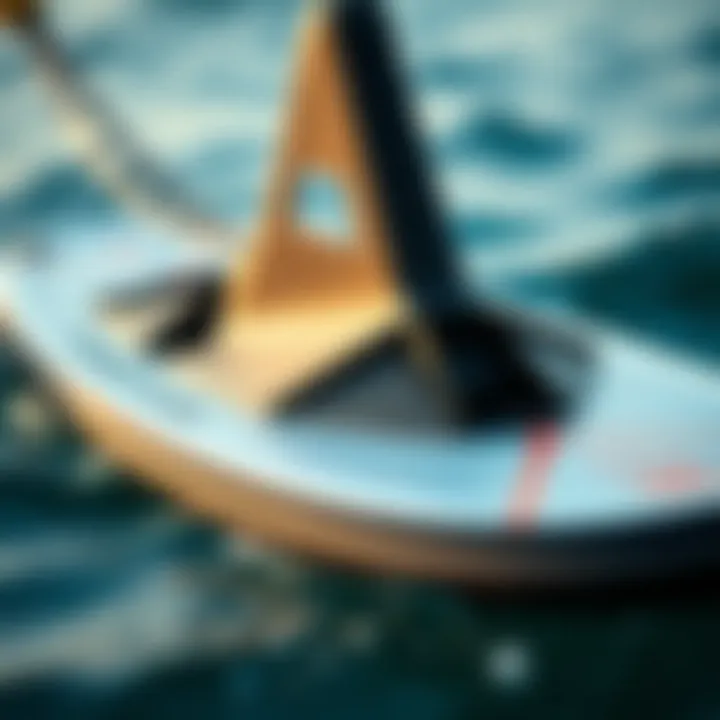
For instance, a board with a larger surface might provide more stability for beginners, while an advanced rider might prefer smaller, more agile designs that allow for high-speed turns and tricks.
Materials Used
The materials chosen for hydrofoil boards can make or break the riding experience. Designers often select composites that mix strength and lightness.
- Carbon Fiber: Renowned for its lightweight properties and high rigidity, carbon fiber is commonly used in performance boards.
- Epoxy Resins: These are used for waterproofing and provide additional strength to the board.
- Foam Core: Used in many boards, it aids in buoyancy, effortlessly keeping riders above the surface.
Choosing the right materials often comes down to trade-offs. For example, a full carbon fiber board is lighter but may come with a hefty price tag. Conversely, a board made with heavier materials may be more affordable but might not perform as well when it comes to speed and agility.
Board Shapes and Sizes
The shape and size of a hydrofoil board significantly affect how it behaves on the water. Different types are tailored for various riding styles and conditions.
- Short Boards: Best for maneuverability, they are ideal for surfing waves and engaging in tricks. Though they might take a bit more skill to ride, they offer an exhilarating experience for experienced users.
- Long Boards: These provide better stability and are suited for beginners or those who enjoy cruising.
- Wide Boards: Offering extra buoyancy, these are perfect for flatwater riding and can handle various conditions well.
Each style serves a purpose, and selecting the right one can enhance the enjoyment of hydrofoiling. Think of it as finding the right pair of shoes; a good fit makes all the difference.
"Ultimately, the design elements of a hydrofoil board must work in harmony to create a well-rounded experience."
Hydrofoil board design is not merely an aesthetic choice but a fundamental aspect that influences performance, safety, and enjoyment in the water. Being informed about the different components, materials, and shapes helps riders make educated decisions that can escalate their hydrofoiling experience.
How Hydrofoil Boards Work
The magic behind hydrofoil boards lies in their ability to glide above the water's surface, creating an experience that is both exhilarating and efficient. Understanding how these boards function is crucial to mastering the sport and enhancing the overall riding experience. The principles of lift and hydrodynamics interplay to enable riders to skim over the water, gaining speed and improving maneuverability. In this section, we will break down the essential components that make these boards tick and why they stand out in the realm of water sports.
Principles of Lift
Lift is the driving force that allows a hydrofoil board to rise above the water. When a rider accelerates, the board moves forward and water flows over its wings, creating a difference in pressure between the upper and lower surfaces. This pressure difference generates lift, which is the key to elevating the board off the water.
To visualize this, think of how an airplane wing works. The foil’s design is crucial; typically, the wings are shaped for efficiency, often resembling an inverted airplane wing.
There are several important factors influencing lift:
- Angle of Attack: This refers to the angle between the wing and the oncoming water. A higher angle can increase lift but also drag, so it's about finding that sweet spot.
- Speed: That's right, speed is vital. The faster you ride, the more lift you generate, enabling you to soar above the waves with grace.
- Wing Design: Different wing shapes and sizes affect lift and stability. Larger wings offer more lift but can be cumbersome, while smaller wings provide agility but may require more speed for effective lift.
In essence, mastering the principles of lift means understanding how to manipulate speed, angle, and wing design to your advantage, offering an almost dance-like synergy between rider and board.
Hydrodynamics Explained
Hydrodynamics is the science of fluids in motion, but applied to hydrofoil boards, it delves into how water behaves around the board as it moves. The board's shape and the water's properties collaborate to determine how smoothly and swiftly a rider can glide through the water.
When we talk about hydrodynamics in hydrofoiling, we consider:
- Drag Reduction: Hydrofoil boards are designed to minimize drag, the force that opposes motion. Reducing drag means less effort for the rider and more speed. This sleek design cuts through the water, leading to a more efficient ride.
- Lift-to-Drag Ratio: A high lift-to-drag ratio is the holy grail for hydrodynamic performance. Boards optimized for this ratio enable riders to attain lift with less energy expenditure.
- Water Flow Patterns: The understanding of how water flows over and under the board is vital. Each design tweak can lead to significant differences in performance and responsiveness.
In summary, the principles of lift combined with hydrodynamic efficiency form the backbone of hydrofoil operation. These concepts not only enhance the riding experience but also elevate the entire sport to a new level of engagement and excitement.
Advantages of Hydrofoil Boards
Hydrofoil boards have carved out a distinct niche in the watersport community, garnering attention primarily for their ability to elevate riders above the water's surface. This not only transforms the riding experience but also brings along several advantages that should be highlighted. Understanding these benefits helps enthusiasts, both new and seasoned, make informed choices about incorporating hydrofoiling into their adventures.
Increased Speed and Efficiency
One of the most touted advantages of hydrofoil boards is their speed and efficiency. When a rider takes to the water, the hydrofoil lifts the board and rider up, reducing contact with the water. This lift significantly decreases water resistance, allowing for faster speeds than traditional boards. When you're skimming just above the surface, it’s like shaving minutes off your lap time.
- Hydrofoils allow for increased speed due to less drag. Without a substantial portion of the board in the water, there's less friction slowing you down.
- As a result, riders often find they can maintain higher speeds with less effort, making long-distance rides more manageable without tiring out.
- The smooth lift offered by hydrofoils not only enhances speed but also creates a thrilling sensation of gliding over the water, akin to flying.
Reduced Drag and Glide Capability
When discussing hydrofoil boards, glide capability is often underappreciated. The lifting action of the hydrofoil cuts through water with a grace that is unmatched in other watersport equipment. It’s this unique characteristic that minimizes drag and allows riders to really maximize their time on the water.
- In traditional surfing or paddleboarding, the board typically pushes through the water, which can slow the rider down significantly. Hydrofoils, on the other hand, lift above the surface ensuring that drag is kept to a minimum.
- This means that once you’re up and stable on the hydrofoil, you can maintain momentum even with slower speeds or lighter winds, which is a big deal for those trying to master the art of gliding.
- In a sense, there's an added layer of efficiency here; you can cover more distance in shorter amounts of time, perfect for those who live for the thrill of the chase.
"Hydrofoiling can turn an ordinary day on the water into something extraordinary, literally elevating your experience."
In summary, the advantages of hydrofoil boards extend beyond simple speed; they transform how individuals interact with the water. By reducing drag and enhancing glide capability, hydrofoils invite a new era of watersports that merges speed and playfulness in an incomparable manner. With these benefits in mind, one can see why many enthusiasts consider hydrofoiling an exhilarating and worthwhile pursuit.
For further details on hydrofoil technology and its impact on watersports, visit Wikipedia.
Whether you’re eyeing a full hydrofoil setup or just intrigued about the nuances, embracing hydrofoil boarding opens up a new realm of excitement on the water.
Challenges and Limitations


The allure of hydrofoil boards is undeniable, yet it's vital to understand some challenges and limitations that come along with this captivating sport. Recognizing these aspects ensures that enthusiasts are well-prepared and can fully appreciate the craft while mitigating risks.
Learning Curve for Beginners
When diving into the world of hydrofoiling, one must confront the steep learning curve that often intimidates newcomers. Mastering balance and coordination on a hydrofoil board can feel like trying to walk a tightrope— it requires patience and practice. The initial experience can be somewhat humbling, as getting the hang of hovering above the water surface is not an easy feat. Riders often experience falls, spills and a fair share of frustration during the early stages.
To ease this transition, it might be beneficial for beginners to:
- Take Lessons: Signing up for professional lessons can significantly accelerate the learning process. Instructors bring years of experience and can provide invaluable tips on stance, posture, and techniques.
- Use Suitable Gear: Choosing a larger foil or board specifically designed for beginners can help increase stability. As riders gain confidence, they can transition to more advanced equipment.
- Practice on Calm Water: Start in areas with minimal wind and waves. This offers a more controlled environment that enhances learning.
Equipment Cost
Hydrofoil boards are often seen as a premium watersport option, and it's understandable given the price tags associated with them. The investment required for equipment can be a hurdle for many aspiring riders. Prices can vary significantly based on brand, materials, and technology used, leaving enthusiasts to sort through a range of options. It's not uncommon for a decent hydrofoil setup to run into the thousands of dollars.
Potential buyers should keep the following in mind:
- Budget Wisely: Establish a clear budget before browsing equipment. This helps narrow down choices and prevents overspending on unnecessary features.
- Consider Used Equipment: Purchasing second-hand gear can often yield substantial savings. Just make sure to inspect it thoroughly before committing.
- Invest in Quality: While it's tempting to cut corners with cheaper models, investing in quality equipment can pay off in the long run, enhancing performance and reliability.
Environmental Considerations
With the increasing popularity of hydrofoiling, it's important for riders to consider their impact on the environment. The delicate ecosystems of lakes, rivers, and coastal waters can be disrupted by water sports, leading to negative consequences for wildlife and vegetation. Hydrofoilers need to prioritize ecological awareness and adopt practices that minimize their footprint on the water.
Key points include:
- Respect Wildlife: Especially in natural habitats, disturbances to animals can lead to habitat loss. Stay clear of areas with nesting birds and avoid shallow areas that support aquatic life.
- Follow Local Regulations: Different regions have specific rules regarding water activities. Familiarize yourself with local regulations to ensure compliance and promote sustainability.
- Choose Eco-Friendly Products: When selecting equipment or accessories, opt for brands that prioritize sustainable materials and practices. This helps create a more responsible watersport community that respects natural resources.
As riders, our responsibilities extend beyond the thrills we chase. By being mindful of the challenges and limitations of hydrofoiling, we can nurture the sport while preserving the environment.
Safety Guidelines
Safety is paramount when engaging in any watersport, especially with innovative equipment like hydrofoil boards. As thrilling as catching air and gliding over water can be, understanding safety protocols ensures that participants can enjoy the sport without the fear of unnecessary injury. These guidelines not only protect the rider but also those around them, contributing to a safer watersport community overall. Recognizing the unique challenges hydrofoiling presents, having a solid grasp of safety measures is crucial for beginners and seasoned riders alike.
Protective Gear Recommendations
Diving into hydrofoiling without proper protective gear is akin to going swimming with no life jacket—it's a recipe for trouble. Below is a breakdown of essential gear that every rider should consider:
- Helmet: A well-fitting helmet can prevent head injuries from falls or collisions. Opt for one specifically designed for watersports for optimal protection.
- Wetsuit: Depending on the water temperature, a wetsuit not only keeps you warm but also provides some level of impact protection upon falls.
- Impact Vest: These vests are designed to absorb shocks. They can be particularly beneficial for those who are still learning and may face frequent crashes.
- Wrist Leashes: Using wrist leashes ensures the board stays close after a fall, reducing the risk of it striking you or another person inadvertently.
- Footwear: Sturdy water shoes can offer good grip on the board and protect your feet from sharp objects in the water.
Investing in this gear may seem like an extra step, but it can save a rider from potential accidents and injuries.
Navigational Safety Practices
When hydrofoiling, understanding your surroundings is just as vital as controlling your board. Here are some navigational best practices to keep in mind:
- Know the Water Conditions: Before heading out, familiarize yourself with the local waterway. Look for potential hazards such as shallow areas, rocks, or other watercraft.
- Stay Aware of Other Users: Whether you're in a crowded bay or a spare lake, be mindful of other boats, swimmers, and personal watercraft. Giving everyone ample space can prevent accidents.
- Follow Local Regulations: Different areas have specific rules regarding watersports. Check the local laws regarding hydrofoiling, especially where you can and cannot ride.
- Use Hand Signals: Establishing hand signals can create a clear communication method if riding as a group. Signals for stopping, going, and directional changes can minimize confusion.
"Safety is not just about gear; it’s about being aware and prepared."
- Plan Your Route: Like a ship captain charting a course, thinking ahead about where you will ride can help avoid dangerous spots. Avoid sudden turns or navigating in unfamiliar areas alone until you're comfortable with your ability.
By adhering to these safety guidelines, hydrofoil enthusiasts can focus on enjoying this unique and thrilling watersport. From the right gear to sound navigational practices, every precaution taken can enhance both safety and enjoyment on the water.
Maintenance and Care
When it comes to water hydrofoil boards, proper maintenance and care are pivotal to ensuring longevity and optimal performance. Just like a finely tuned sports car, these boards require periodic attention to keep them flying high above the water's surface. An unkempt board can lead to not just performance issues but potential safety hazards as well. Therefore, adopting a regular maintenance routine pays dividends in the long run, keeping your hydrofoil board in prime condition.
Routine Inspections
Regular inspections serve as the first line of defense against potential mishaps. Inspecting your hydrofoil board after each use is crucial. This means checking both the board itself and its components, such as the mast, fuselage, and wings.
- Look for Signs of Wear: Examine the board for scratches, dents, or cracks that can affect its hydrodynamic ability. Pay special attention to the edges and bottom, as these areas often encounter rough conditions.
- Check the Hydrofoil Components: Connectors and screws should be tight and free from rust or corrosion. Any wear can significantly compromise the stability and control of the board.
- Evaluate the Foil's Condition: The wings and stabilizers need to be closely examined for any signs of bending or cracks. Damaged components can disrupt lift and maneuverability.
Undertaking these inspections not only prevents serious issues but also allows you to catch minor problems before they escalate.
Cleaning and Storage Tips
Keeping a hydrofoil board clean is just as significant as inspection. Saltwater, sand, and dirt can accumulate quickly, potentially affecting performance:
- Rinse with Fresh Water: After every session, especially in saltwater, rinse your board and foil thoroughly with fresh water. This will help mitigate corrosion and salt buildup that could deteriorate the materials over time.
- Use a Soft Cloth: A soft, non-abrasive cloth will do wonders for keeping the surface of your board intact. Wipe down the entire board to prevent grime build-up, which can impact aesthetics and functionality.
- Dry Completely: Before storing, ensure everything is dry to avoid mold and mildew. Water left in crevices can wreak havoc on both the board and equipment.
Proper storage is equally necessary. Here are a few helpful pointers:
- Store Indoors: Keeping your hydrofoil board indoors away from direct sunlight can prevent color fading and material degradation.
- Separate Components: If possible, disassemble the hydrofoil parts during storage. This prevents unwarranted pressure points and potential warping.
- Avoid Flat Surfaces: Store your board upright or in a designated bag, rather than laying it flat to avoid unnecessary stress on the body of the board.
"A well-cared hydrofoil board doesn't just last longer; it performs better, enhancing your overall riding experience."
In summary, investing time in regular inspections and diligent cleaning practices pays off immensely. Hydrofoil boards are complex pieces of equipment designed for thrill and speed; treating them with care ensures that they deliver the excitement for many seasons to come.
Comparing Hydrofoil Boards to Other Watersport Equipment
When it comes to the world of water sports, hydrofoil boards stand out in a significant way. Understanding the nuances and key aspects of hydrofoiling in contrast to other popular activities helps enthusiasts appreciate what makes this increasingly popular form of riding unique. The comparisons unveil not just differences in performance and experience, but also reveal insights on community, skill levels, and overall enjoyment.
Hydrofoiling vs. Traditional Surfing
Hydrofoiling and traditional surfing have one main commonality – riding waves. However, the two experiences are like apples and oranges. In traditional surfing, the rider relies on the energy and form of the wave,. Swells propel surfers, who must constantly adjust to shifting ocean dynamics. The physical feel of the board against the water creates a connection that many surfers cherish.
In contrast, hydrofoiling elevates this experience by allowing the rider to lift above the water. This means that waves matter less; even small ripples can provide suitable lift. The secret lies in the hydrofoil – a submerged wing that generates lift while gliding across the water. As a result, hydrofoilers enjoy a more extended ride with less turf resistance, allowing for higher speeds and smoother transitions between waves.
With hydrofoiling, there's less emphasis on wave height and more on finding suitable conditions, such as wind and water state. Many surf enthusiast have turned towards hydrofoiling as a way to prolong their time on the water. However, traditional surfing holds deep cultural roots, and for many, it serves as a cherished form of expression and community bonding.
Hydrofoiling vs. Kiteboarding
Kiteboarding, or kitesurfing, brings its own exhilarating elements to the table. While kiteboarding features both wind and water, it shares the advantage of aerodynamics with hydrofoiling. However, the methods of propulsion differ significantly. Kiteboarding employs a sizeable kite to harness wind power while the rider skims across the water surface.
For the hydrofoiler, the experience is one of seamless gliding. Once the boarding technique is mastered, the skill of managing a hydrofoil proves to be unique. Essentially, kiteboarders need to focus on wind conditions, kite control, and water chops, while hydrofoilers concentrate on maintaining balance and adjusting body positioning for optimal lift.
"With kiteboarding, the thrill lies in mastering the skies; with hydrofoiling, it's about dancing gracefully above the water."
Each activity nurtures enthusiastic communities, but there's a noticeable difference in the lifestyle and accessibility factors each sport offers. Kiteboarding involves much more equipment and can present learning obstacles due to wind variability. Hydrofoiling, while initially complex, can simplify the experience for riders once they learn to glide.
Hydrofoiling vs. Stand-Up Paddleboarding
Stand-Up Paddleboarding (SUP) integrates paddling into the mix, offering both exercise and leisure. SUP is often seen as a gentle way to engage with the water, focusing on balance and paddle techniques. Here, the rider remains in contact with the water, providing a steadier, more controlled experience on calm water. This sport can be medicinal, allowing intimate exploration of serene water bodies.
Hydrofoiling challenges paddlers to embrace another layer of thrill and excitement. As riders experience the joy of being lifted above the water, it often leads to an elevated sense of freedom. This disparity in experience highlights a noteworthy contrast between the tranquil, reflective engagement of SUP compared to the adrenaline-fueled adventure of hydrofoiling.
Comparing hydrofoiling with stand-up paddleboarding showcases how the thrill of hydrofoiling presents an entirely different approach to water exploration. Depending on whether one prioritizes peaceful excursions or adrenaline-fueled rides, each sport presents distinct advantages - catering to different preferences, skill levels, and personal goals.
In summary, comparing hydrofoil boards to other watersport equipment emphasizes varied experiences, providing enthusiasts with a plethora of options. Understanding the fundamental differences between these activities can lead to more informed choices, ensuring each person finds their perfect match under the sun and surf.
For more information on different watersports equipment, you can check out articles on Britannica or read discussions on Reddit. The world of watersports is vast, and each type offers its own unique charm.
Future of Hydrofoil Boards
The realm of hydrofoil boards is on something of a precipice, poised to leap into a bright and exciting future. As technology evolves at a dizzying pace, the impact on hydrofoiling is hard to ignore. From design innovations to emerging materials, the future signifies a transformative period for both enthusiasts and practitioners in watersports. With an increasing awareness of water safety and environmental accountability, hydrofoil boards are set to redefine water activities.
Upcoming Technologies
One can sense a buzz around hydrofoil board technologies that cater to both performance and convenience. Electric hydrofoils are generating quite a bit of attention lately. These boards, fitted with battery-powered motors, simplify the way users access and enjoy foil experiences. With minimal physical exertion required, electric hydrofoils open the doors for a wider audience. Another gear to watch is the implementation of smart technology. Imagine boards equipped with sensors that capture real-time data on speed, stability, or even environmental conditions. This tech integration isn’t very far off.
- Materials: Advanced composites like carbon fiber and marine-grade aluminum are gaining traction, offering lightweight performance without compromising strength.
- Foil Designs: Innovations in fin shapes provide improved stability and fluidity, allowing riders to maintain their balance even in tricky waters.
Adapting to these new developments could empower users to explore uncharted waters, literally and metaphorically.
Growing Popularity and Community
The community surrounding hydrofoil boards is burgeoning, bringing together enthusiasts from diverse backgrounds with a shared love of the water. Local gatherings, community clubs, and online forums are awash with passionate individuals keen to learn from one another. This melting pot of experiences invariably leads to better skills and knowledge sharing. Platforms like Reddit and dedicated Facebook groups act as hubs for advice, tips, and personal stories that foster a sense of belonging.
Moreover, the growing popularity translates into more accessible locations for hydrofoiling, with beaches and lakes, once thought unsuitable for such activities, now seeing setups for beginners. Local instructors and clubs are starting to create beginner-friendly environments, making entry into the sport increasingly feasible.
"There's nothing quite like the sense of community in hydrofoiling; it's like being part of a big family where everyone is eager to share the thrill of gliding above the water."
As this sport gains traction, organizations may begin to facilitate competitions, showcasing talent and might even start paving the way for professional leagues, akin to other watersports yet to fully embrace foil technology. The landscape is expanding—power to the people, indeed!
Epilogue
The exploration of hydrofoil boards and the nuances surrounding them unveils a fascinating intersection of technology and water sports. This article sheds light on the salient aspects of hydrofoil boards, encompassing design, functionality, and the exhilarating experience they provide. Understanding the underlying principles of hydrofoiling not only highlights its advantages over traditional watersports but also addresses practical concerns for both aspiring riders and veterans. As enthusiasts gear up to embrace this thrilling activity, nods to safety practices and maintenance routines are essential in fostering a responsible riding culture.
With hydrofoil boards skyrocketing in popularity, it becomes evident that the benefits extend beyond mere speed and efficiency. Both the social and physical aspects of riding contribute to a community that thrives on the shared love of water and adventure. The invitation to delve into hydrofoiling is not just about the gear; it’s an encouragement to experience the world from a different vantage point—gliding above the waves instead of cutting through them.
"Hydrofoiling is not just a sport; it's a journey into the nearly surreal feeling of floating above the water, connecting with nature in a unique manner."
By synthesizing the diverse elements discussed in this article, readers can gain a well-rounded comprehension of hydrofoil boards. The information serves as a springboard for those considering taking the plunge into hydrofoiling. Whether it’s the allure of reaching new heights or the thrill of mastering a challenging skill, the future of hydrofoil boards is certainly bright. In swimming against the tide of mundane watersports, hydrofoiling stands out as a beacon for innovation and excitement.
Summation of Key Points
- Hydrofoil boards leverage principles of lift and hydrodynamics to enhance speed and efficiency.
- The design of hydrofoil boards—from components to shapes—plays a crucial role in performance and rider experience.
- Despite the steep learning curve, the excitement and community surrounding hydrofoiling continue to expand.
- Safety practices and routine maintenance are vital to ensuring longevity and enjoyment in the sport.
- Upcoming technologies hint at an evolving future, promising even greater advancements in hydrofoiling.
Encouragement for Enthusiasts
As you stand on the brink of embracing hydrofoil boards, consider this a heartfelt invitation to dive in. The thrill of hydrodynamic flight awaits, along with an entire community that celebrates the adrenaline and artistry of this unique watersport. Don’t let the learning curve deter you; every expert was once a beginner, and each failed attempt paves the way for future success. Embrace it, from the first wobbly glides to the soaring heights. Your journey into hydrofoiling could be the start of a lifelong passion, a story that will inevitably find its echoes through the shared experiences of teammates and fellow riders. Gear up, trust the technology, and let the sea be your playground.
For more insights and community engagement, consider joining discussions on platforms like reddit.com or exploring user experiences on social pages dedicated to hydrofoiling.